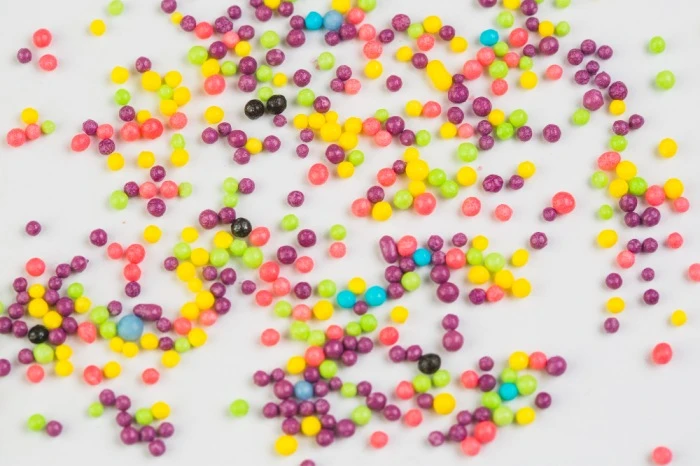

Masterbatches are a key raw material in the plastics industry. They are used to add color, texture, and other qualities to plastics. Masterbatches are simple, cost-effective solutions that can improve the performance, versatility, and appeal of plastic products. In this guide, we will explore what masterbatches are, how they are made, and how they can be used in various applications.
1. What is a Masterbatch?
A Masterbatch is a pre-dispersed concentrated mixture of one or more additives in a base resin or carrier. The additives may include colorants, flame retardants, catalysts, biocides, UV absorbers, and other materials that provide functionality or aesthetic enhancement. The base resin acts as a carrier for the additives and helps to ensure a constant processing and end use. Masterbatches are typically used in the plastics industry to improve the performance, appearance, and processability of the products.
2. How are Masterbatches Made?
Masterbatches are typically made by combining the desired additives with a base resin. The base resin can be a thermoplastic or thermoset polymer and is used to ensure a consistent and uniform dispersion of the additives in the plastic product. Once the additives are mixed with the base resin, they are melted and mixed until a homogenous mixture is obtained. The mixture is then cooled and granulated into small pellets, which can then be molded into the desired shape or extruded into a film.
3. What are the Different Types of Masterbatches?
There are several different types of masterbatches available, depending on the application. Color masterbatches are used to add color to a product and can be made from a variety of pigments and dyes. Additive masterbatches are used to add functionality to a product, such as flame retardants, UV absorbers, and biocides. Performance masterbatches are used to improve the performance of a plastic product, such as improving the strength, stiffness, and durability.
4. What are the Applications of Masterbatches?
Masterbatches can be used in a variety of applications, such as automotive parts, medical devices, consumer electronics, and packaging. They can also be used in the production of injection molded parts, blow molded parts, film, and sheet. Masterbatches can also be used to reduce the cost of production by replacing expensive raw materials.
5. Benefits of Using Masterbatches
Masterbatches offer several advantages over traditional processes for adding color and other functional attributes to plastic products. Masterbatches are easy to use, require minimal processing, and provide consistent results. They are also cost-effective, as they are able to replace expensive raw materials and reduce production costs. Furthermore, masterbatches are available in a wide range of colors and qualities, making it easy to find a suitable product for any application.
Conclusion
Masterbatches are a great way to improve the quality and efficiency of manufacturing processes. They are highly versatile and offer a range of benefits, from cost savings to improved product performance. Masterbatches can be used to add color, functionality, and performance to a variety of products, from packaging and textiles to automotive and electronics. With the right selection, masterbatches can be a valuable component in an efficient manufacturing process.



























Sign in to leave a comment.