

In the digital marketplace, achieving high conversion rates is essential for business success. Conversion Rate Optimization (CRO) involves enhancing your website to increase the percentage of visitors who perform desired actions, such as making purchases or subscribing to newsletters. This comprehensive guide delves into effective strategies to elevate your conversion rates.
Understanding Conversion Rate Optimization
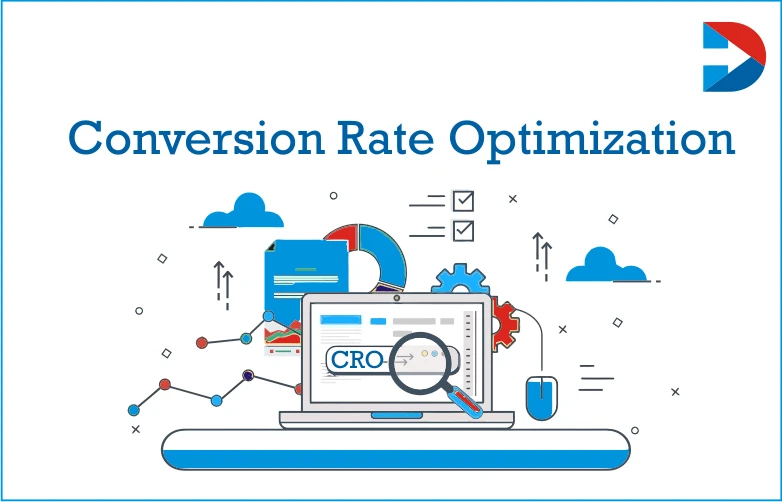
Conversion Rate Optimization is the systematic process of increasing the percentage of website visitors who take a desired action. This involves understanding how users navigate your site, what actions they take, and what’s preventing them from completing your goals. By analyzing these behaviors, you can make informed adjustments to improve the user experience and drive more conversions.
Key Strategies for Enhancing Conversion Rates
1. Analyze User Behavior
Understanding how users interact with your website is crucial. Utilize tools like Google Analytics to gather data on user behavior, including:
- Bounce Rates: The percentage of visitors who leave after viewing only one page.
- Session Duration: The average time users spend on your site.
- Navigation Paths: The common routes users take through your site.
By analyzing this data, you can identify areas where users may be dropping off and optimize those sections to improve engagement.
2. Optimize Website Design and Usability
A user-friendly website encourages visitors to stay longer and engage more deeply. Focus on:
- Intuitive Navigation: Ensure menus and links are easy to find and use.
- Responsive Design: Optimize your site for all devices, especially mobile.
- Fast Loading Times: Aim for page load times under three seconds to reduce bounce rates.
Improving these aspects can lead to a more satisfying user experience, thereby increasing the likelihood of conversions.
3. Craft Compelling Calls to Action (CTAs)
Your CTAs should be clear, concise, and compelling. Consider the following:
- Action-Oriented Language: Use verbs that encourage immediate action, such as "Buy Now" or "Sign Up Today."
- Visibility: Position CTAs prominently on the page where users can easily see them.
- Design: Use contrasting colors and bold fonts to make CTAs stand out.
Effective CTAs guide users toward taking the desired action, thereby improving conversion rates.
4. Implement A/B Testing
A/B testing involves creating two versions of a webpage to see which performs better. Test elements such as:
- Headlines: Try different wording to see what resonates with your audience.
- Images: Use various visuals to determine which ones engage users more.
- CTAs: Experiment with different phrases, colors, and placements.
Regular testing allows you to make data-driven decisions that enhance user engagement and conversions.
5. Leverage Social Proof
Social proof, such as customer testimonials and reviews, builds trust with potential customers. Display:
- Customer Reviews: Showcase positive feedback from satisfied customers.
- Case Studies: Provide detailed examples of how your product or service has benefited others.
- Trust Badges: Include certifications or awards to enhance credibility.
Incorporating social proof can alleviate doubts and encourage visitors to convert.
6. Simplify the Checkout Process
For e-commerce sites, a complicated checkout process can deter potential customers. Streamline it by:
- Reducing Form Fields: Only ask for essential information to expedite the process.
- Offering Multiple Payment Options: Cater to user preferences by providing various payment methods.
- Allowing Guest Checkout: Enable purchases without requiring account creation.
A simplified checkout process can significantly reduce cart abandonment rates and boost conversions.
7. Enhance Content Quality
High-quality, relevant content engages visitors and encourages them to take action. Focus on:
- Value Proposition: Clearly communicate the benefits of your product or service.
- SEO Optimization: Use relevant keywords to improve search engine rankings and attract targeted traffic.
- Visuals: Incorporate images and videos to make content more engaging.
Providing valuable content establishes your brand as an authority and builds trust with your audience.
8. Utilize Retargeting Strategies
Not all visitors will convert on their first visit. Retargeting involves:
- Displaying Ads: Show targeted ads to users who have previously visited your site.
- Personalized Email Campaigns: Send follow-up emails with tailored content or offers.
Retargeting keeps your brand top-of-mind and encourages return visits, increasing the likelihood of conversion.
Role of IFTDM in Training Professionals for CRO
IFTDM, a Digital Marketing Training Institute in Noida, equips professionals with the skills needed to excel in CRO. Its comprehensive curriculum, which includes insights into A/B testing, user behavior analysis, and social proof strategies, is ideal for those looking to optimize websites for conversions.
Conclusion
Improving your website's conversion rate is a multifaceted endeavor that requires a deep understanding of user behavior, strategic design enhancements, compelling content, and ongoing testing. For those looking to master these techniques, IFTDM offers a comprehensive Digital Marketing Course in Ghaziabad tailored to equip professionals with advanced CRO strategies.
Additionally, businesses in need of assistance can explore SEO Course in Delhi to optimize their digital presence and drive higher conversion rates. By implementing these strategies, you can create a more engaging user experience that encourages visitors to take desired actions, ultimately driving business growth.







Sign in to leave a comment.