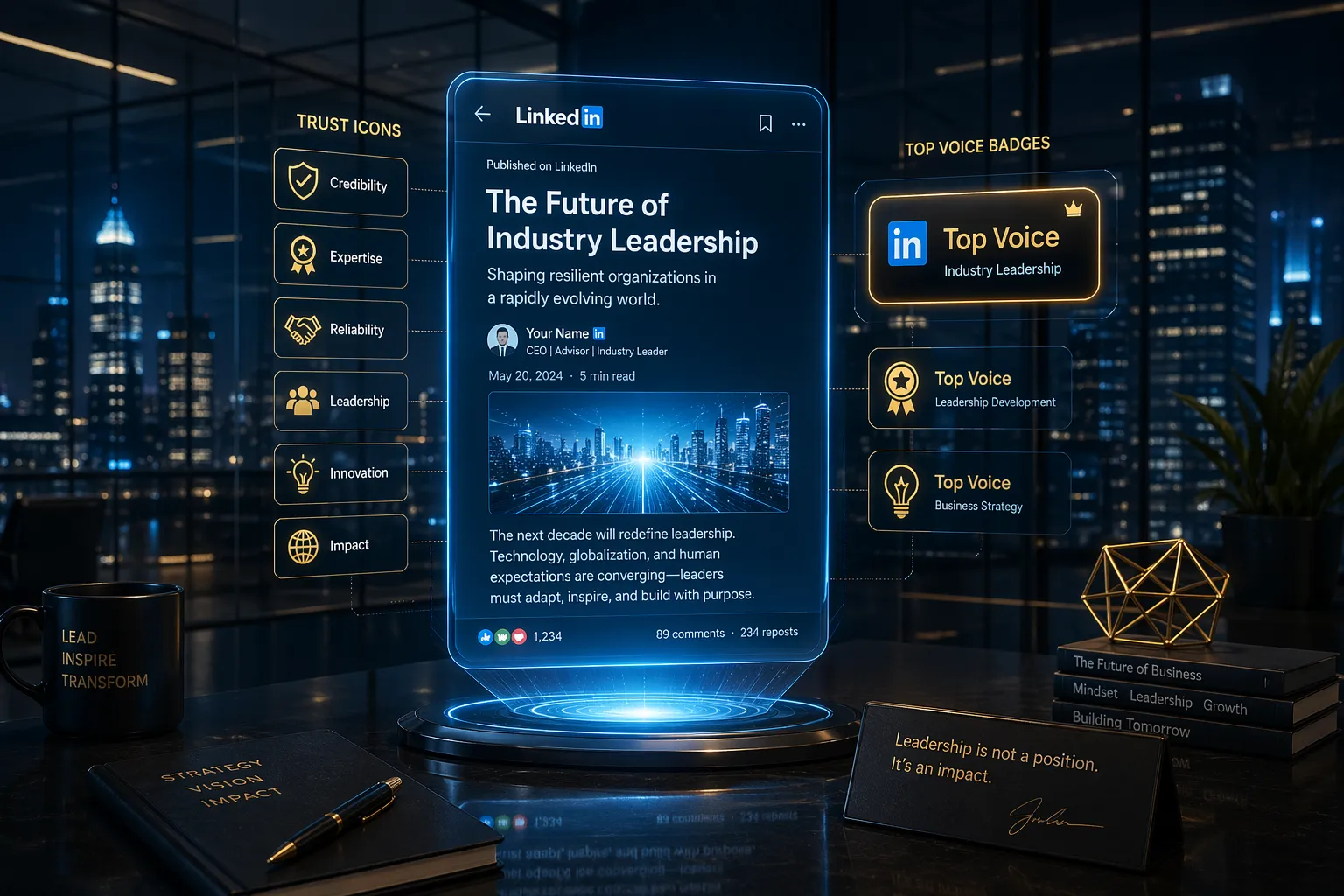

The professional landscape of 2026 is defined by a single metric: the "Trust-to-Noise Ratio." As AI-generated content floods the web, decision-makers are retreating to platforms where human expertise is verified and context-rich. This is why LinkedIn Publishing has emerged as the premier vehicle for Thought Leadership.
Unlike standard feed updates that disappear within 48 hours, LinkedIn Articles are indexed by search engines and act as permanent pillars of your professional brand.
1. The Strategy: Moving from Volume to Value
In previous years, Content Marketing was often a numbers game. In 2026, the platform’s algorithm (often called "360 Brew") prioritizes "Dwell Time" and "Meaningful Engagement." This means a single, deeply insightful article that solves a complex industry pain point is worth more than fifty generic posts.
To build this level of authority, your content must offer a unique "human perspective" that AI cannot replicate. If you are just starting your journey, mastering keyword research for beginners will help you identify the specific questions your peers are asking but no one is answering clearly.
2. Semantic Authority and Profile Alignment
For LinkedIn Publishing to be effective, your profile must act as a cohesive "landing page." In 2026, the LinkedIn algorithm uses semantic search to ensure that your articles align with the expertise listed in your profile sections.
- The Unified Voice: If you publish about "Supply Chain Resilience," but your profile focuses on "Generic Management," the algorithm may limit your reach.
- The Featured Section: Pin your best-performing articles here to ensure they are the first thing visitors see.
Consistency across platforms is also vital. For instance, many leaders find that their Instagram marketing for small business provides the visual "hooks" that lead their audience to read their long-form LinkedIn insights.
3. Claiming "Position Zero" through Articles
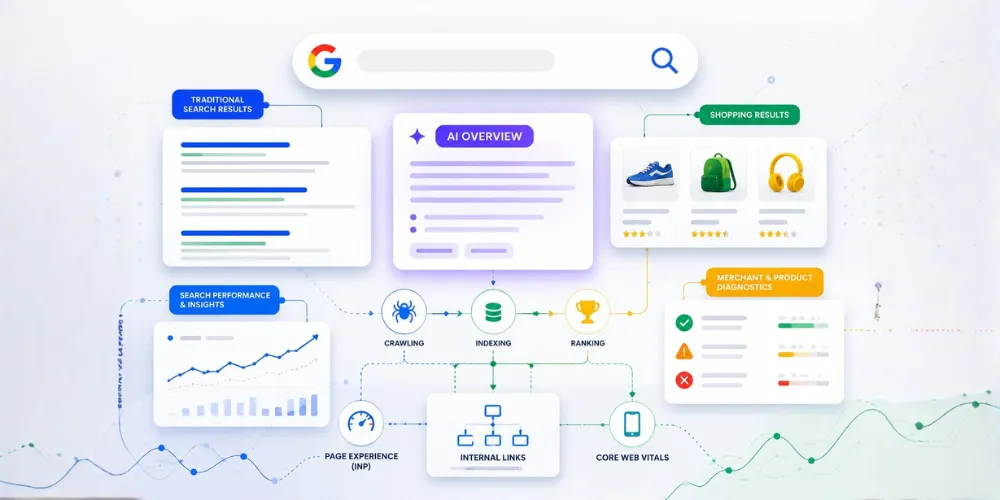
LinkedIn Articles are uniquely "SEO-ready." In 2026, these articles frequently claim Featured Snippets on Google because they are tied to a verified human identity (E-E-A-T). By structuring your articles with clear H2 headers and concise "Answer Paragraphs," you increase the chances of your Thought Leadership being cited as a primary source by AI search tools.
What’s your experience with LinkedIn’s publishing platform? Are you using it to broadcast or to lead? To ensure your technical foundations are as strong as your insights, following a beginner SEO guide will help you understand how to format your articles for both humans and search engines.
4. The Role of "Collaborative Insight"
A new pillar of Thought Leadership in 2026 is the participation in "Collaborative Articles." By adding your specific, experience-based anecdotes to these community-driven pieces, you earn "Community Top Voice" badges. These badges act as a visual trust signal, proving your authority to anyone who visits your profile.
If you find yourself stuck on how to start these conversations, exploring 10 common digital marketing questions can provide the spark you need to write your first industry-shifting piece.
LinkedIn Publishing FAQ: 2026 Edition
Q: Should I post a LinkedIn Article or a Newsletter?
A: In 2026, Newsletters are better for building a loyal, recurring audience, while Articles are superior for SEO and long-term "searchability" on Google.
Q: How often should I publish for maximum impact?
A: Frequency is less important than depth. One "Masterpiece" article per month, supported by 2-3 weekly feed posts, is the ideal rhythm for 2026.
Q: Can LinkedIn Articles help my website's SEO?
A: Yes. By linking back to your site from a high-authority LinkedIn Article, you create a powerful "backlink" that signals trust to Google.
Conclusion
LinkedIn Publishing is the "Quiet Power" of 2026. While everyone else is fighting for seconds of attention in the feed, true leaders are building libraries of value that stand the test of time. By treating your articles as strategic assets, you ensure that your Thought Leadership continues to work for you long after you’ve hit "Publish."






















Sign in to leave a comment.