
In today’s competitive business environment, finding top-tier talent locally—especially for emerging tech roles like AI developers, data analysts, and cybersecurity specialists—can feel like searching for a needle in a haystack. Companies are increasingly turning to offshore hiring not just as a cost-saving tactic, but as a strategic approach to access specialized skills, scale quickly, and maintain operational continuity. For practical guidance on structuring offshore teams effectively, check out Building a High-Performing Offshore Team: Recruitment Strategies and Security Essentials.
But advertising jobs on foreign boards is not enough to develop a successful offshore workforce. It needs a well-organized way to hire people, smooth onboarding, and solid security measures. This tutorial will show you how to find, hire, and manage offshore workers in a way that is safe and will lead to long-term success.
Why Offshore Talent Matters More Than Ever
The global workforce is undergoing a massive transformation. Businesses that embrace offshore teams gain several competitive advantages:
- Access to specialized skills: For roles in AI, blockchain, or data science, the talent pool in certain regions may be limited. Offshore hiring allows companies to tap into global expertise.
- Faster scaling: Offshore teams can quickly join projects, helping businesses meet tight deadlines without compromising quality.
- Cost efficiency: Strategic offshore hiring can reduce overheads, especially when combined with productivity gains and lower operational costs.
- Business continuity: Distributed teams provide redundancy, minimizing operational disruption due to local crises, natural disasters, or labor shortages.
- Innovation and diversity: Offshore teams often bring fresh perspectives, fostering creativity and driving innovation.
- These advantages illustrate why offshore talent is no longer a backup plan—it is a core element of long-term growth strategies.
Step 1: Define Roles and Requirements Clearly
Clear role definitions are critical to attracting the right offshore candidates and reducing turnover. Consider the following steps:
- Specify skills and experience: Include technical expertise, certifications, and years of experience required. For example, a data engineer might need Python, SQL, and AWS certifications.
- Clarify responsibilities: Outline daily tasks, project ownership, reporting lines, and expected outputs.
- Set performance expectations: Define KPIs to measure efficiency and quality.
- Assess cultural fit: Include soft skills such as communication, problem-solving, and adaptability, which are essential for distributed teams.
Companies that take time to craft precise role descriptions see higher candidate alignment and faster integration of offshore staff.
Step 2: Source Talent Strategically
Offshore talent can be found in multiple channels, and a multi-pronged approach increases your chances of hiring the best candidates:
- Professional networks: LinkedIn, GitHub, Stack Overflow, and industry-specific forums allow you to identify and engage with active professionals.
- Staffing platforms: Dedicated remote and offshore recruitment platforms often pre-screen candidates, saving time and effort.
- Referrals and industry contacts: Trusted recommendations from employees or partners can lead to high-quality hires.
- Local universities and bootcamps: Engaging with institutions abroad can help you tap into emerging talent in tech and analytics fields.
It’s important to vet candidates across multiple sources to maintain quality and avoid skill gaps.
Step 3: Screening and Assessment
Effective candidate screening is more than reviewing resumes. Consider a layered approach:
- Technical assessments: Simulate real-world projects relevant to the role. For instance, ask a software developer to code a small module or fix a bug to demonstrate proficiency.
- Behavioral interviews: Evaluate problem-solving, communication, and collaboration skills. Questions like “Describe a time you overcame a complex challenge remotely” reveal adaptability.
- Cultural fit evaluation: Ensure alignment with company values and teamwork expectations. Misaligned cultural fit is one of the top reasons offshore hires leave early.
- Trial periods: Short-term project-based assignments allow both the company and the candidate to test compatibility.
These steps reduce mismatches, improve retention, and increase productivity.
Step 4: Onboarding and Integration
Proper onboarding is critical for offshore teams. Here’s how to make it seamless:
- Structured onboarding programs: Provide training materials, manuals, and clear role guidelines. Assign mentors or team buddies to answer questions.
- Communication protocols: Set expectations for meetings, reporting, and response times. Tools like Slack, Trello, Jira, and Zoom can facilitate collaboration.
- Team-building activities: Encourage virtual coffee chats, brainstorming sessions, or interactive workshops to build trust and rapport.
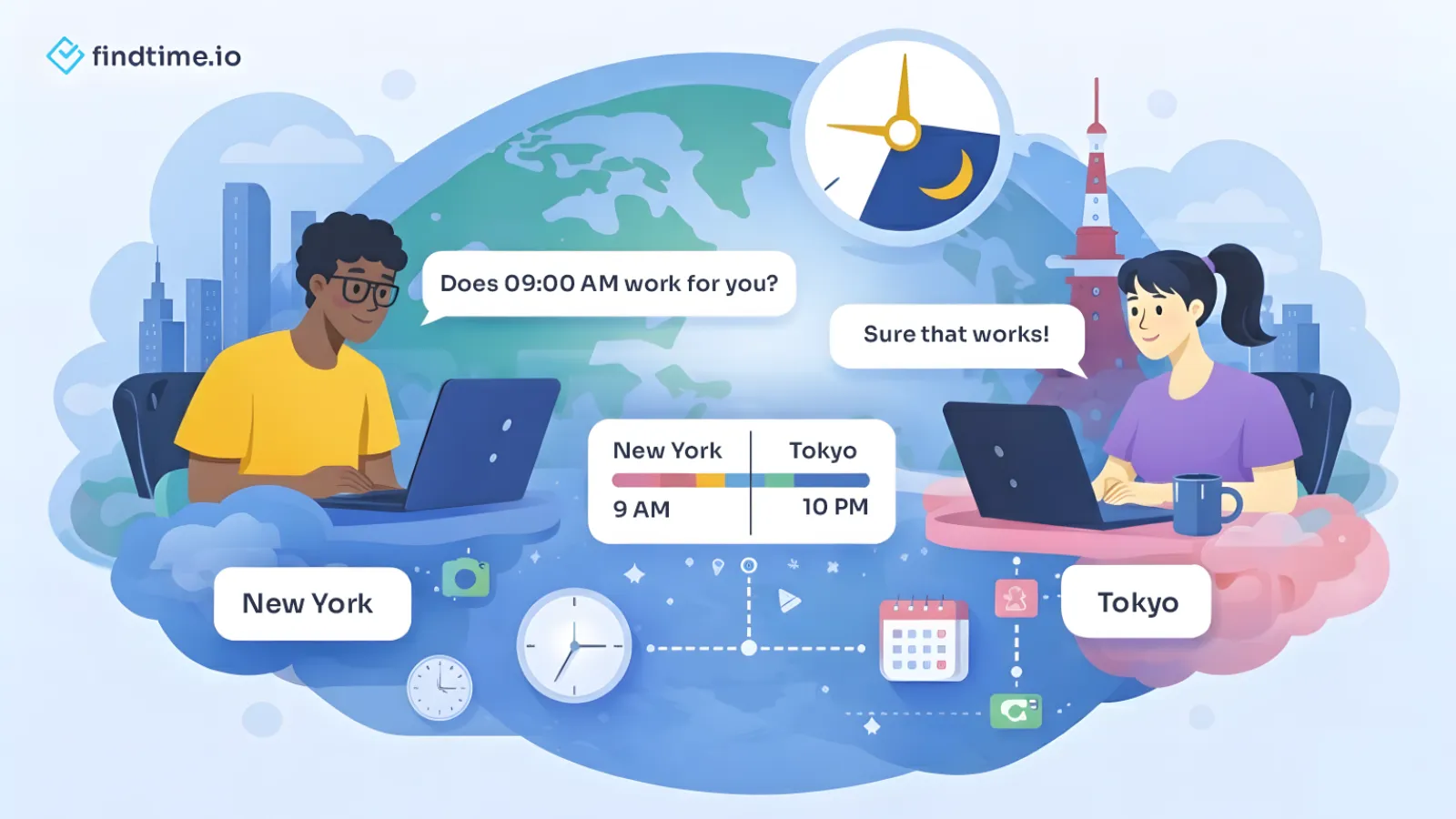
- Time zone alignment: Plan overlapping work hours for real-time collaboration while respecting local work hours.
Well-integrated offshore teams are more engaged, productive, and loyal.
Step 5: Security Essentials
Offshore hiring comes with operational and data security risks. Mitigate them with these practices:
- Access control: Limit sensitive data access to only those who need it. Use role-based permissions.
- Secure communication: Enforce encrypted messaging, VPNs, and multi-factor authentication.
- Regular audits: Conduct periodic checks of workflows, code repositories, and data access logs.
- Compliance adherence: Ensure offshore hires comply with local labor laws, data privacy regulations (like GDPR), and industry-specific standards.
- Incident response plan: Have a defined process for addressing breaches, errors, or policy violations.
Security measures are not optional—they safeguard your business and build trust with clients and stakeholders.
Best Practices for Long-Term Success
To maximize offshore team effectiveness:
- Document processes: Keep SOPs, workflows, and knowledge bases up to date to prevent knowledge loss.
- Continuous learning: Encourage team members to take courses, attend webinars, and earn certifications.
- Performance tracking: Use KPIs, dashboards, and regular feedback sessions to monitor productivity.
- Transparent communication: Share updates on goals, changes, and achievements to keep teams motivated.
- Recognition and engagement: Celebrate milestones, provide professional growth opportunities, and maintain a supportive environment.
Following these best practices ensures that offshore teams are productive, motivated, and aligned with company goals.
Real-World Example
A fintech startup struggling to hire data engineers locally turned to an offshore model. By leveraging structured recruitment and trial projects, the company hired a team of three offshore engineers in under six weeks. Clear onboarding, daily standups, and performance KPIs ensured smooth integration. Within three months, the offshore team delivered a fully functional analytics dashboard, accelerating product launch and reducing operational costs by 20%.
Conclusion
Offshore hiring is no longer just a tactical solution—it’s a strategic growth lever. By defining roles clearly, sourcing talent strategically, implementing structured screening and onboarding, and enforcing strong security practices, companies can build high-performing offshore teams that drive innovation and operational excellence.
For a deeper dive into structured recruitment strategies and security essentials for offshore teams, check out Building a High-Performing Offshore Team: Recruitment Strategies and Security Essentials.





























Sign in to leave a comment.