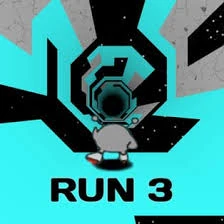
In the vast universe of browser-based games, store management elements have become increasingly popular features that add depth and progression to otherwise straightforward gameplay. These systems reward players for their time and skill while offering customization options that extend replayability. Today, I'd like to explore how store management mechanics work in games, using the popular platformer Run 3 as our primary example.
Introduction to Game Stores
Store management in games typically involves collecting some form of currency through gameplay, then spending that currency on upgrades, characters, or cosmetic items. This creates a satisfying loop: play the game, earn currency, purchase improvements, which helps you play better and earn more currency.
In Run 3, this system revolves around collecting power cells as you navigate through space tunnels, which can then be spent in the game's shop. This mechanic transforms what could be a simple endless runner into something with meaningful progression and strategic choices.
Understanding Run 3's Store Management
When you dive into Run 3, you'll quickly discover that its store system has several interesting components that make it particularly engaging:
Currency Collection
The primary currency in Run 3 is power cells, which you collect by:
- Finding them scattered throughout levels
- Completing specific missions and achievements
- Beating levels for the first time
- Performing well in infinite mode runs
What makes this system interesting is how the cells are integrated into the level design. They often guide players toward more challenging paths, creating a risk-reward scenario where following the power cells might lead you down a more difficult route.
Character Unlocks
One of the most compelling aspects of the store is the ability to unlock new characters, each with unique abilities:
- The Runner (default) is well-balanced
- The Skater moves faster but has less control
- The Lizard can stick to walls
- The Child has special jumping abilities
- Several other characters with unique mechanics
Each character fundamentally changes how you approach the levels, effectively giving you multiple games in one. This is where the store management becomes strategic - which character should you save up for based on your playstyle?
Level Unlocks
Run 3's store also allows you to unlock new level sets, expanding the game world as you progress. This creates a meaningful sense of progression as your efforts literally open up new areas to explore.
Tips for Effective Store Management
Whether you're playing Run 3 or another game with store elements, here are some universal tips to maximize your experience:
1. Prioritize Strategic Purchases
In Run 3, unlock characters that complement your play style first. If you find yourself falling off edges often, the Lizard's wall-gripping ability might be worth prioritizing. If you prefer speed runs, the Skater might be your best first purchase.
2. Balance Immediate vs. Long-term Rewards
Some store items provide immediate benefits, while others are investments that pay off over time. In Run 3, consider whether you want to unlock a new character for immediate variety or save up for a larger level set that will provide more content in the long run.
3. Complete Achievements and Missions
Most games with stores include achievement systems that reward currency. In Run 3, checking the mission list before playing can help you focus your efforts on actions that will earn extra power cells. Sometimes slightly altering your play style to complete a mission can be more efficient than grinding levels.
4. Experiment with New Purchases
After unlocking a new character in Run 3, take time to learn their mechanics. What seems like a disappointing purchase at first might become your favorite option once you understand how to use their unique abilities effectively.
5. Don't Hoard Currency Unnecessarily
While saving up for big purchases makes sense, sitting on a massive pile of unused currency doesn't help your progression. In Run 3, having multiple characters unlocked gives you more options for tackling difficult levels, as each character can make certain challenges significantly easier.
Lessons from Run 3's Store Design
What makes Run 3's store management particularly effective is how it enhances rather than distracts from the core gameplay. The store doesn't feel like a separate system bolted on to extend playtime; instead, it's integral to the progression and mastery of the game.
The power cells aren't just arbitrary points - they're physical objects in the game world that influence your path choices. The characters aren't just cosmetic differences - they fundamentally change how you interact with the game's physics.
Conclusion
Store management mechanics, when implemented thoughtfully like in Run 3, add layers of strategy and progression to games that might otherwise become repetitive. They reward players for their time investment while offering meaningful choices that personalize the experience.
Whether you're playing Run 3 or exploring other games with similar mechanics, approaching the store system with intention rather than impulse will maximize your enjoyment and progress. Think about your playstyle, prioritize purchases that align with your goals, and don't forget to experiment with new options as they become available.
The next time you play a game with a store system, take a moment to appreciate how it's designed to enhance your experience rather than just extending gameplay hours. And if you haven't tried it yet, give Run 3 a play - its elegant integration of store management with platforming challenges makes it an excellent case study in game design.
























Sign in to leave a comment.