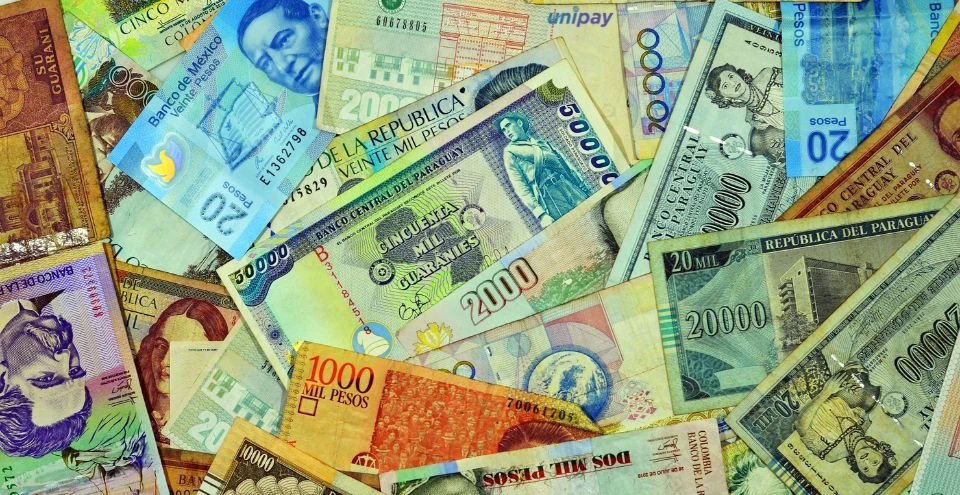

Travelling to a foreign country might be a dream for many and, for some, a dream almost on the verge of fruition. Suppose you’re planning a trip, and the only thing left is to board the plane. There’s one thing, however, that you should take into consideration - foreign currency exchange. Every country’s currency varies, and understanding these distinctions to get the most out of what you’re getting when you give your country’s money in exchange for foreign currency is an important step to be taken into account. This guide will give you the necessary tips, strategies, and advice so you can prepare yourself and have an unforgettable experience abroad.
Understanding the Process of Currency Exchange
A successful currency exchange experience requires preparation. Look into the local currency of the nation you are visiting. Learn about the differences in the acceptance of cash and cards and the denominations and exchange rates. Exchange rates between currencies are never static. Use web resources and mobile applications to monitor past patterns and pinpoint times when exchange rates for your local currency are most beneficial. To determine the most economical option, compare explicit service prices and currency rates. Before your trip, you can order foreign currency from several banks and currency exchange agencies. This can occasionally give better prices than last-minute currency exchange at the airport.
Cash Considerations
Cash will always be needed, particularly in smaller towns and rural locations where card acceptance may not be of much help. Assess your travel preferences and spending limit to ascertain the approximate amount of cash required. Think about common expenses such as emergency circumstances, street food, taxis, and minor purchases at local markets. Having different bills makes transactions simpler and eliminates the trouble of splitting big amounts for minor purchases. It would not be feasible to go to all places using just one foreign currency, even though US Dollar may be widely accepted in some nations.
Debit and Credit Cards
Carrying huge quantities of cash is not as convenient or safe as using credit or debit cards. Certain banks impose fees when you use your card overseas. Get a travel-friendly credit card that doesn't charge for international transactions. This can cut down on your total travel costs considerably. Although they can save lives, ATM withdrawal costs should be considered. Seek out ATMs connected to your bank's network to prevent extra fees. Debit cards provide you direct access to your checking account, but some of them have higher foreign transaction fees than credit cards. Select the credit card that best fits your spending plan. Using a credit card overseas can be alluring, but be careful not to run up debt. Establish spending restrictions and make on-time balance payments to avoid paying high interest when you return.
Protecting Your Finances
It's critical to maintain safety while handling your money during your travels. Before purchasing, always verify exchange rates and associated costs. In the event of theft or loss, think about carrying an extra debit or credit card. Notify your bank of your travel schedule and destinations to prevent disruptions brought on by possible fraudulent activities. Anyone offering excessively favourable exchange rates should be avoided. Stay away from dubious banks and money exchanges. Use safe places to carry your cash and credit cards, including a secret pocket or money belt.
Advanced Currency Exchange Strategies
For seasoned travellers seeking to maximise their currency exchange efficiency, here are some advanced strategies to consider:
Essential Budgeting Tips
Exchanging money wisely is only one aspect of managing finances. Here are some more pointers for efficiently managing your vacation budget:
The Final Word
Research your destination, compare options, and choose the method that best suits your travel style and budget. With a little planning and these valuable tips in hand, you can maximise the value of your travel funds and focus on creating lasting memories on your global adventure. Consider learning some basic phrases related to money and transactions in the local language. This can be helpful when communicating with shopkeepers or money changers and can also make you feel more confident overall.







Sign in to leave a comment.