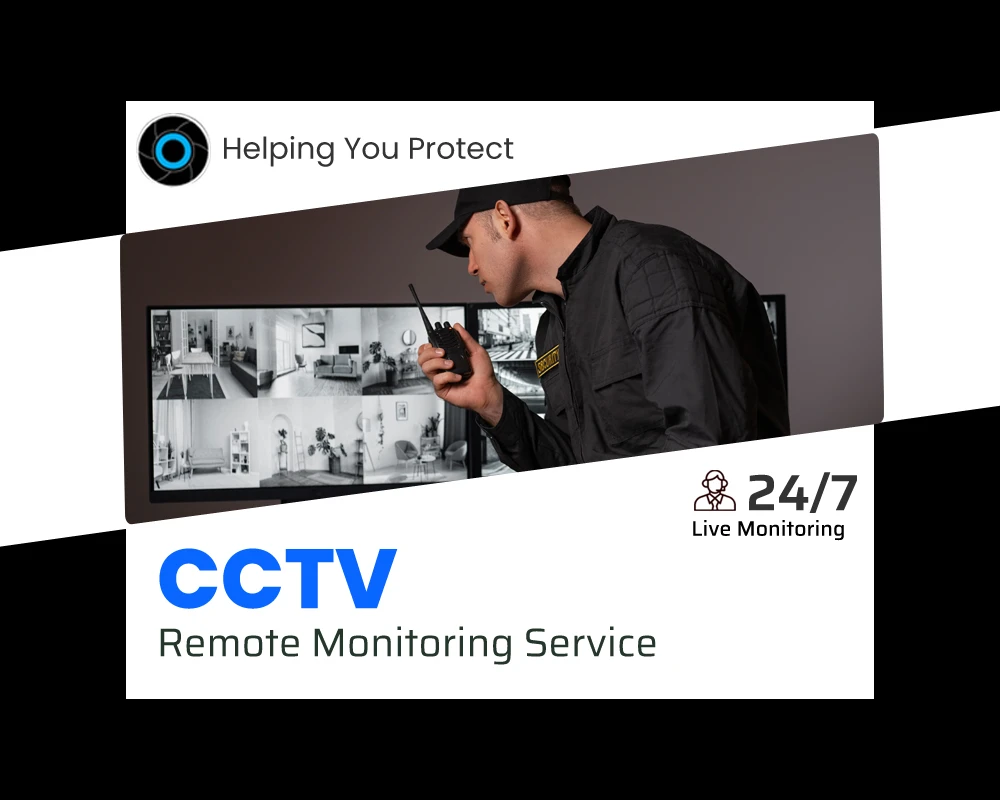

For property protection and crime deterrence, CCTV cameras stand as formidable guardians. However, the key to unlocking their full potential lies in their professional installation. This entails meticulous wiring, a task that may seem intricate but is crucial for the seamless operation of your CCTV system. In this guest post, we will delve into a comprehensive, step-by-step guide on how to wire CCTV cameras for a professional installation. Additionally, we will explore the myriad benefits of professional installation of best home camera systems and share valuable tips to ensure a successful setup.
Benefits of Professional Installation:
The decision to opt for professional installation of your CCTV cameras brings forth an array of advantages:
Expertise:Professional installers bring a wealth of expertise and experience to the table, ensuring that the wiring of your cameras is executed with precision. This expertise guarantees the reliability and security of your CCTV system.Efficiency:Professional installers possess the efficiency to wire your cameras swiftly and effectively, minimizing disruptions to your home or business. Their adeptness in handling installations streamlines the process, saving you time and potential headaches.Safety:Safety is paramount in any installation endeavour. Professional installers come equipped with the necessary safety gear and training to navigate even the most challenging wiring scenarios, ensuring a secure setup in difficult-to-reach areas.Tools and Materials Needed:
To embark on the journey of wiring CCTV cameras professionally, gather the following tools and materials:
CCTV camerasCoaxial cable or Ethernet cable (depending on camera type)BNC connectors and RJ45 connectors (corresponding to cable type)Crimping toolElectrical tapeDrillFish tapeWall anchorsScrewsLadderSteps Involved in Wiring CCTV Cameras:
Choose the Right Cable:Select the appropriate cable based on the type of CCTV cameras – coaxial for analog and Ethernet for IP cameras.Run the Cable:Run the chosen cable from the cameras to the DVR or NVR, navigating through walls, ceilings, or attics. Utilize a fish tape to guide the cable through drilled holes.Connect the Cable to the Cameras:Use BNC connectors for analog cameras and RJ45 connectors for IP cameras to establish a connection between the cable and the cameras.Connect the Cable to the DVR or NVR:Employ the same connectors used for the cameras to link the cable to the DVR or NVR.Test the System:Ensure the system's functionality by testing each camera, verifying a clear image display on the DVR or NVR.Tips for Professional Installation:
Careful Planning:Strategize your installation meticulously by determining camera locations, cable routes, and the best method to navigate through walls or attics.High-Quality Materials:Prioritise the use of high-quality materials to guarantee the reliability and security of your CCTV system.Label All Cables:Labelling cables during installation facilitates easy identification for future troubleshooting, streamlining maintenance efforts.Secure Cables Adequately:Ensure proper cable securing to prevent damage, maintaining the integrity of your CCTV system.Thorough System Testing:Conclude the installation process with a comprehensive system test to verify proper functionality, ensuring each camera delivers a clear image.To delve further into the world of professional CCTV camera installation, it's essential to appreciate the nuanced aspects of each step. The choice of cable, for instance, becomes a pivotal decision, and the meticulous selection of coaxial or Ethernet cable based on camera type ensures optimal performance. Running the cable demands a keen understanding of your property's layout, necessitating strategic planning to minimise disruptions during installation.
Connecting the cable to both cameras and the recording device demands precision, with the proper use of BNC or RJ45 connectors ensuring a seamless link. Thorough testing of the system is the conclusive step, reaffirming the successful integration of each camera into the surveillance network.
For professional installation, adherence to high-quality materials and a focus on cybersecurity are imperative. The utilisation of robust materials guarantees the longevity of your system, while a vigilant approach to security safeguards against potential breaches.
To truly master the art of professional CCTV camera installation, a collaborative effort between meticulous planning, technical expertise, and the use of high-quality components is paramount. By following these guidelines, whether undertaking the task yourself or relying on a professional installer, you can ensure that your CCTV system stands as a testament to security and reliability.
Conclusion:
Wiring CCTV cameras may seem intricate, but its correct execution is pivotal for maximizing the potential of your CCTV camera system. This guest post has provided an exhaustive guide, walking you through the intricate steps to ensure your cameras are wired professionally, resulting in a reliable and secure system.
If tackling the wiring of CCTV cameras yourself seems daunting, the wisest course of action is to enlist the services of a professional installer. These experts bring a wealth of experience, ensuring a swift, efficient, and secure wiring process for your CCTV cameras, leaving you with a robust surveillance system that stands as a stalwart protector of your property.
Sign in to leave a comment.