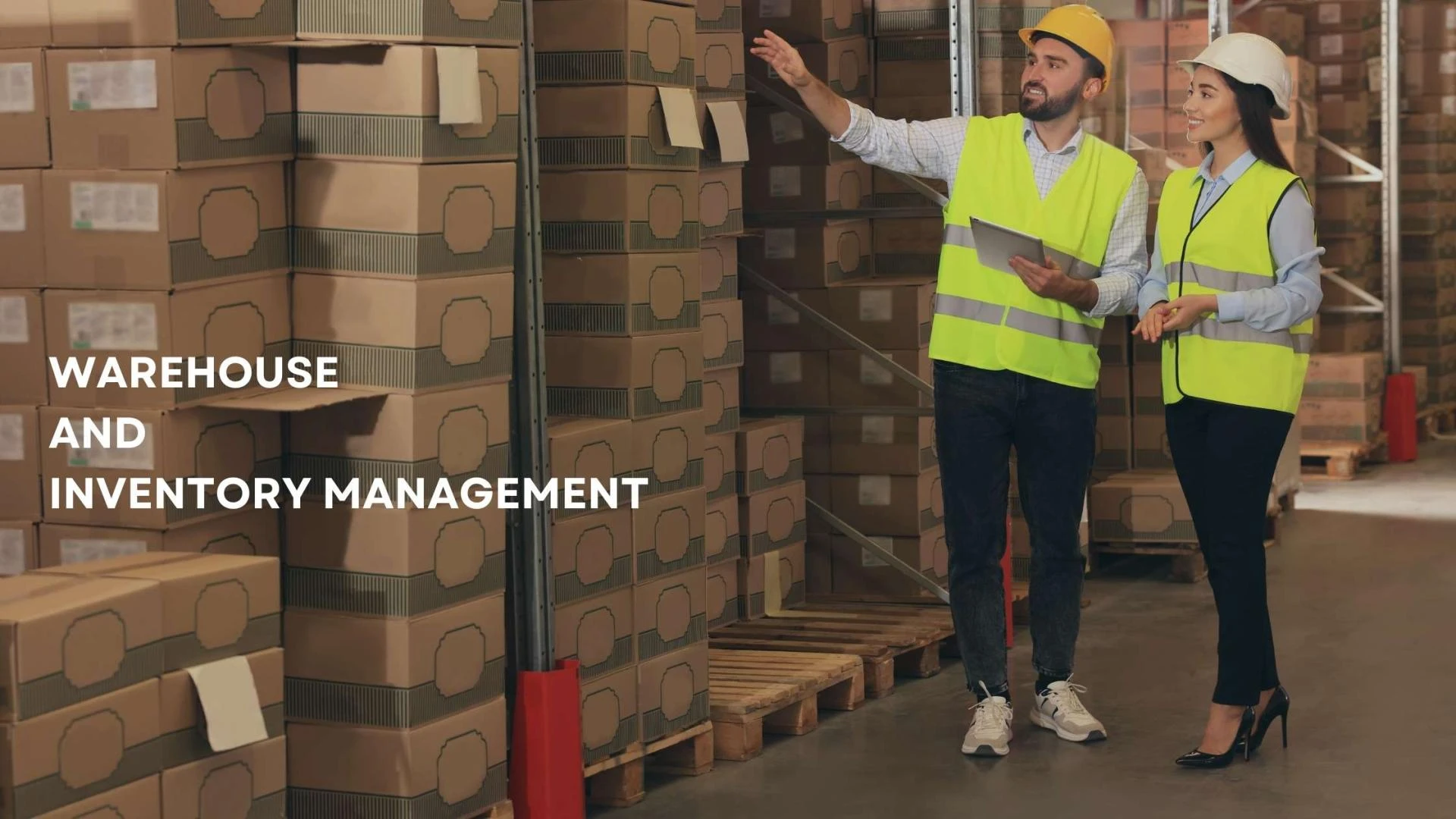

In the intricate dance of modern business, warehouse and inventory management plays a pivotal role. It's the unsung hero that ensures products reach customers on time, without hiccups. From the moment raw materials enter a warehouse to the time finished goods leave, efficient warehouse and inventory management is the key to a smooth-running operation.
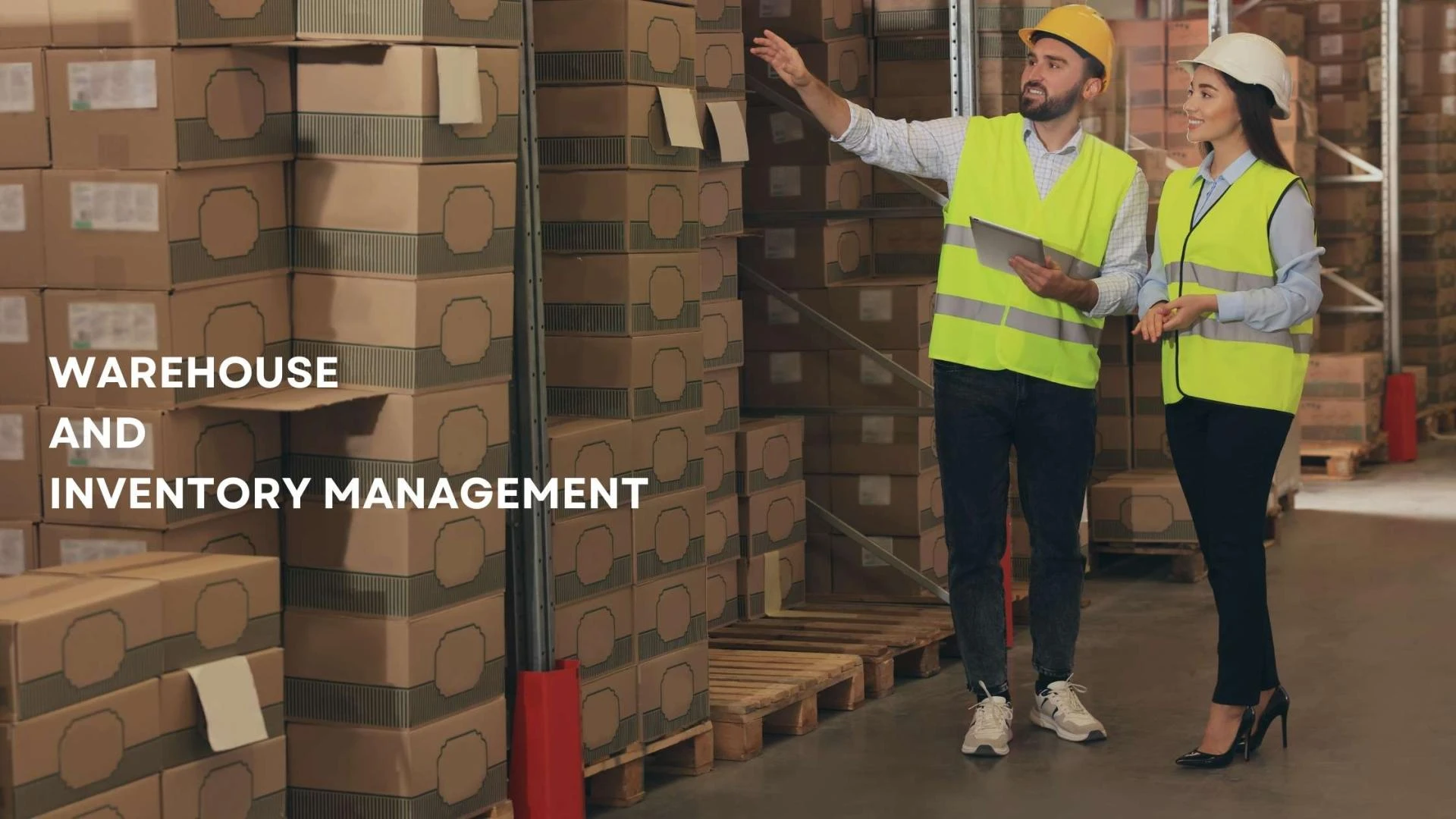
The Basics of Warehouse and Inventory Management
What is Warehouse Management?
Warehouse management is the art and science of organizing, storing, and retrieving goods in a systematic manner. It involves optimizing space utilization, streamlining workflows, and managing labor effectively.
What is Inventory Management?
Inventory management is the process of planning, organizing, and controlling inventory levels to meet customer demand while minimizing costs. It involves tracking stock levels, monitoring incoming and outgoing goods, and preventing stockouts or overstocking.
The Importance of Warehouse and Inventory Management
Improved Efficiency
- Streamlined Operations: Optimized workflows and reduced manual processes.
- Reduced Labor Costs: Efficient utilization of labor resources.
- Faster Order Processing: Quicker turnaround times for customer orders.
Enhanced Accuracy
- Minimized Errors: Reduced human error through automation and technology.
- Higher Customer Satisfaction: Accurate order fulfillment and timely deliveries.
- Improved Inventory Control: Precise tracking of stock levels.
Cost Reduction
- Lower Operating Costs: Optimized space utilization and reduced labor costs.
- Reduced Waste: Minimized spoilage, damage, and theft.
- Improved Cash Flow: Efficient inventory management can free up working capital.
Key Challenges in Warehouse and Inventory Management
- Space Constraints: Limited storage space can lead to inefficient operations.
- Labor Shortages: Difficulty in finding and retaining skilled warehouse workers.
- Supply Chain Disruptions: Unpredictable events can disrupt the flow of goods.
- Rising Costs: Increasing costs of labor, energy, and transportation.
The Future of Warehouse and Inventory Management
The future of warehouse and inventory management is bright, with emerging technologies poised to revolutionize the industry.
- Automation and Robotics: Automation of repetitive tasks and the use of robots for material handling.
- Artificial Intelligence and Machine Learning: Optimization of inventory levels, demand forecasting, and warehouse operations.
- Internet of Things (IoT): Real-time tracking of inventory and equipment.
FAQ
How can I improve warehouse efficiency?
To improve warehouse efficiency, consider implementing lean warehouse principles, optimizing workflows, investing in technology, and training your staff.
What is the role of a warehouse management system (WMS)?
A WMS is a software solution that helps manage warehouse operations, including inventory control, order fulfillment, and labor management.
Conclusion
Mastering the art of warehouse and inventory management is essential for businesses of all sizes. By understanding the key principles and challenges, and by leveraging emerging technologies, businesses can optimize their operations, reduce costs, and deliver exceptional customer service.









Sign in to leave a comment.