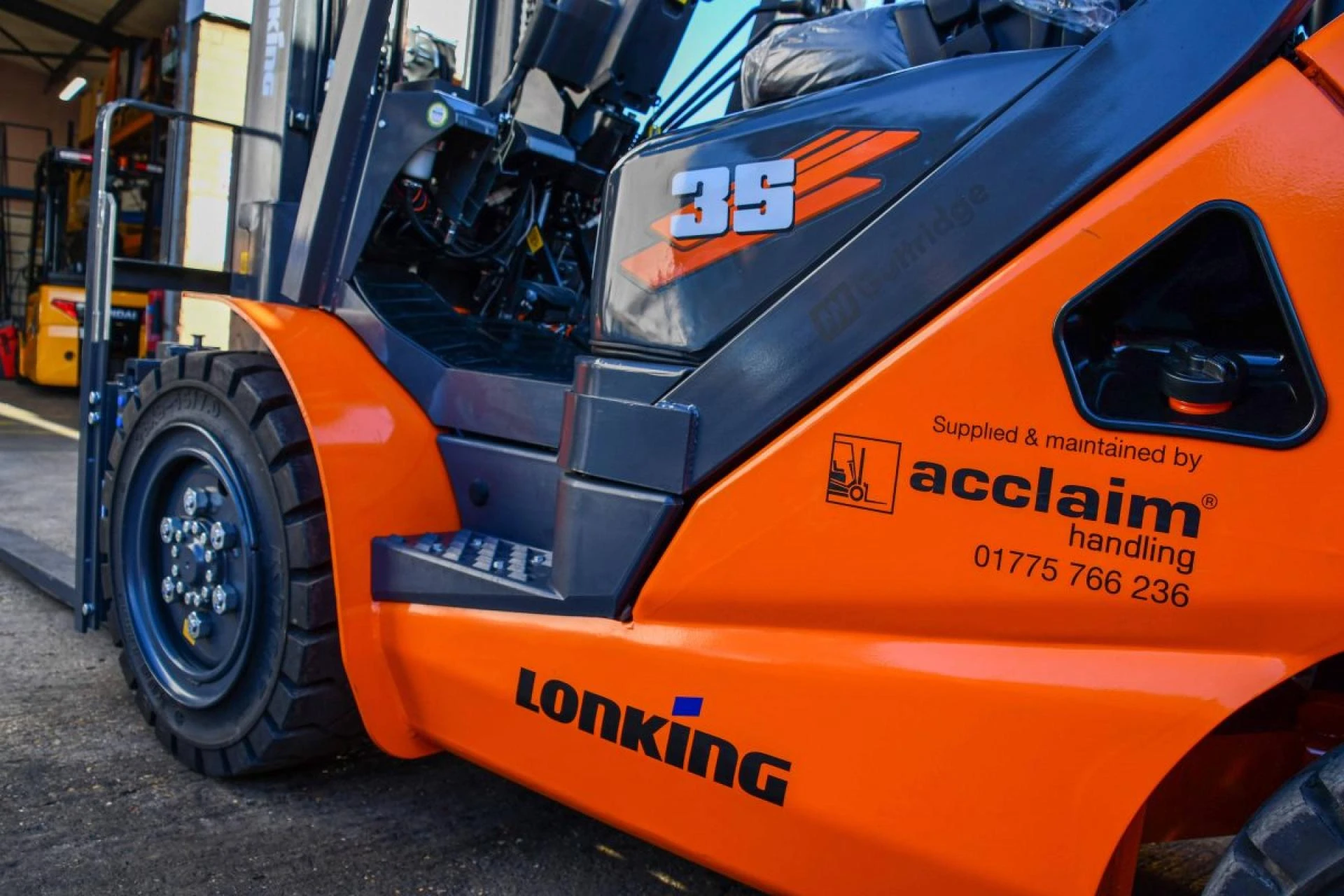

Telehandlers, also known as telescopic handlers, are powerful and versatile machines used in various industries for lifting and transporting heavy loads. However, their immense capabilities necessitate proper training to ensure safe and efficient operation. This comprehensive guide explores everything you need to know about telehandler training, empowering you to become a skilled and certified telehandler operator.
Why Telehandler Training is Essential
Operating a telehandler without proper training can be incredibly dangerous. Telehandler training equips you with the knowledge and skills to:
- Identify different types of telehandlers and their capabilities.
- Conduct thorough pre-operation inspections to ensure the equipment is safe for use.
- Set up and position the telehandler safely and effectively.
- Operate the controls with precision and control the movement of the boom and attachments.
- Recognize and avoid potential hazards associated with operating a telehandler, such as overhead power lines, uneven terrain, and overloading the forks.
- Follow safe working practices and emergency procedures.
What Does Telehandler Training Cover?
Telehandler training typically includes both theoretical and practical components. Here\'s a breakdown of what you can expect to learn:
Legislation and regulations: This covers relevant regulations governing telehandler operation, such as the Lifting Operations and Lifting Equipment Regulations 1998 (LOLER) in the UK.
Types of telehandlers: You will learn about different telehandler models, their specific features, and their appropriate applications.
Pre-operation checks: This crucial aspect teaches you how to conduct a thorough pre-operation inspection to identify any potential faults or safety hazards before operating the telehandler.
Safe operating procedures: You will learn proper operational techniques, including safe maneuvering, maintaining stability, proper use of the boom and attachment controls, and load handling procedures.
Load capacity and limitations: Understanding the weight limits of the telehandler and the potential consequences of overloading is essential for safe operation.
Hazard awareness: The training will explore potential hazards associated with telehandler operation, such as falling objects, electrocution, working in confined spaces, and tipping hazards.
Emergency procedures: Learn how to safely respond to potential emergencies, such as equipment failure, entrapment in the cab, or tipping over.
Getting Certified: Your Path to Telehandler Operation
To operate a telehandler legally in most countries, you must obtain a valid telehandler training certificate. Here\'s what to consider when choosing a training provider:
Accreditation: Ensure the provider is accredited by a reputable organization such as the National Commission for the Certification of Crane Operators (NCCCO) in the US or the International Powered Access Federation (IPAF) for specific telehandler types.
Course content: Choose a course that covers the specific type of telehandler you will be operating and the relevant regulations in your region.
Training facilities: Look for a provider with well-maintained training facilities, including both classroom space and practical training areas with different telehandler models and lifting scenarios.
Instructor qualifications: The quality of training heavily relies on the instructors. Choose a provider with experienced and qualified instructors with a strong knowledge of safe telehandler operation.
Investing in Safety and Efficiency
Telehandler training is not just about obtaining a certification; it\'s an investment in your safety and the safety of those around you. By acquiring the necessary skills and knowledge, you can operate telehandlers with confidence, maximize efficiency on the job site, and minimize the risk of accidents.
Ready to take the first step? Numerous reputable training providers offer comprehensive telehandler training programs. Research available options, choose a qualified provider, and embark on your journey to becoming a skilled and certified telehandler operator.








Sign in to leave a comment.