
Table of Contents
- Key Takeaways
- Introduction
- Why Property Owners Should Learn About Types of Pruning
- Seasonal and Cost Considerations of Tree Pruning
- Main Types of Pruning Methods Explained
- Maintenance Pruning for Safety and Health
- Structural Pruning for Long-Term Growth Control
- Size Control Pruning
- Restoration Pruning
- Understanding Types of Pruning Cuts
- Types of Tree Trimming vs Types of Pruning
- Common Mistakes Property Owners Make
- When Professional Tree Care Is Necessary
- Conclusion
- Book a Tree Trimming and Pruning Service Today!
- Frequently Asked Questions
Key Takeaways
- The primary types of pruning focus on health maintenance, structural control, and safety management.
- Each pruning approach works best depending on tree age, location, and environmental exposure.
- Understanding types of pruning cuts helps protect trees from long-term damage.
- Proper pruning improves property value and reduces safety hazards.
- Professional assessment is recommended for mature or high-risk trees.
Introduction
Understanding types of pruning is essential for anyone managing trees around homes, commercial buildings, or rental properties. Trees are long-term investments that provide shade, privacy, and visual appeal, but they require proper maintenance to stay healthy and stable.
Learning about types of pruning and types of tree trimming allows property owners to make smarter maintenance decisions. This guide explains pruning from a practical viewpoint, focusing on cost efficiency, safety benefits, and long-term landscape health.
Why Property Owners Should Learn About Types of Pruning
Pruning is a strategic maintenance process rather than a simple cutting task. Trees react differently depending on how branches are removed. Poor pruning can slow growth or create structural weaknesses that become expensive problems later.
Proper pruning helps property owners:
- Reduce maintenance costs over time
- Protect roofs, fences, and utility lines
- Improve sunlight exposure for lawns and gardens
- Extend the lifespan of mature trees
Different tree species also require different pruning styles. Fast-growing trees usually need more frequent maintenance, while slow-growing species may only need periodic structural checks.
Seasonal and Cost Considerations of Tree Pruning
Timing pruning services correctly can reduce labor costs and improve results.
Best Seasons for Pruning
In colder climates, late winter is often ideal because:
- Trees are dormant
- Leaves do not block branch visibility
- Stress on sap flow is minimized
Spring pruning is common for shaping young trees, while light maintenance pruning may happen during summer to remove damaged branches after storms.
Budget Planning Tips
Property managers often schedule pruning services together with other landscape maintenance tasks. Bundling services can reduce labor fees and improve overall property appearance.
Main Types of Pruning Methods Explained
Maintenance Pruning for Safety and Health
Maintenance pruning focuses on removing hazards rather than reshaping the tree. This is one of the most requested types of pruning for residential properties.
Maintenance pruning typically includes:
- Removing broken branches
- Eliminating diseased limbs
- Cutting branches that rub against each other
This method is especially useful in areas with heavy storms or strong winds because it reduces the risk of falling debris.
Structural Pruning for Long-Term Growth Control
Structural pruning is usually performed on young trees to guide future growth patterns. The goal is to develop strong branch spacing and prevent weak junctions.
This is one of the most valuable types of pruning because it reduces future emergency maintenance costs.
Benefits include:
- Encouraging a dominant central trunk
- Improving branch balance
- Preventing future splitting during high winds
Property owners who invest in structural pruning early often save money on corrective pruning later.
Size Control Pruning
Size control pruning focuses on managing how large a tree grows rather than reshaping its natural form.
This type of pruning is commonly used when trees:
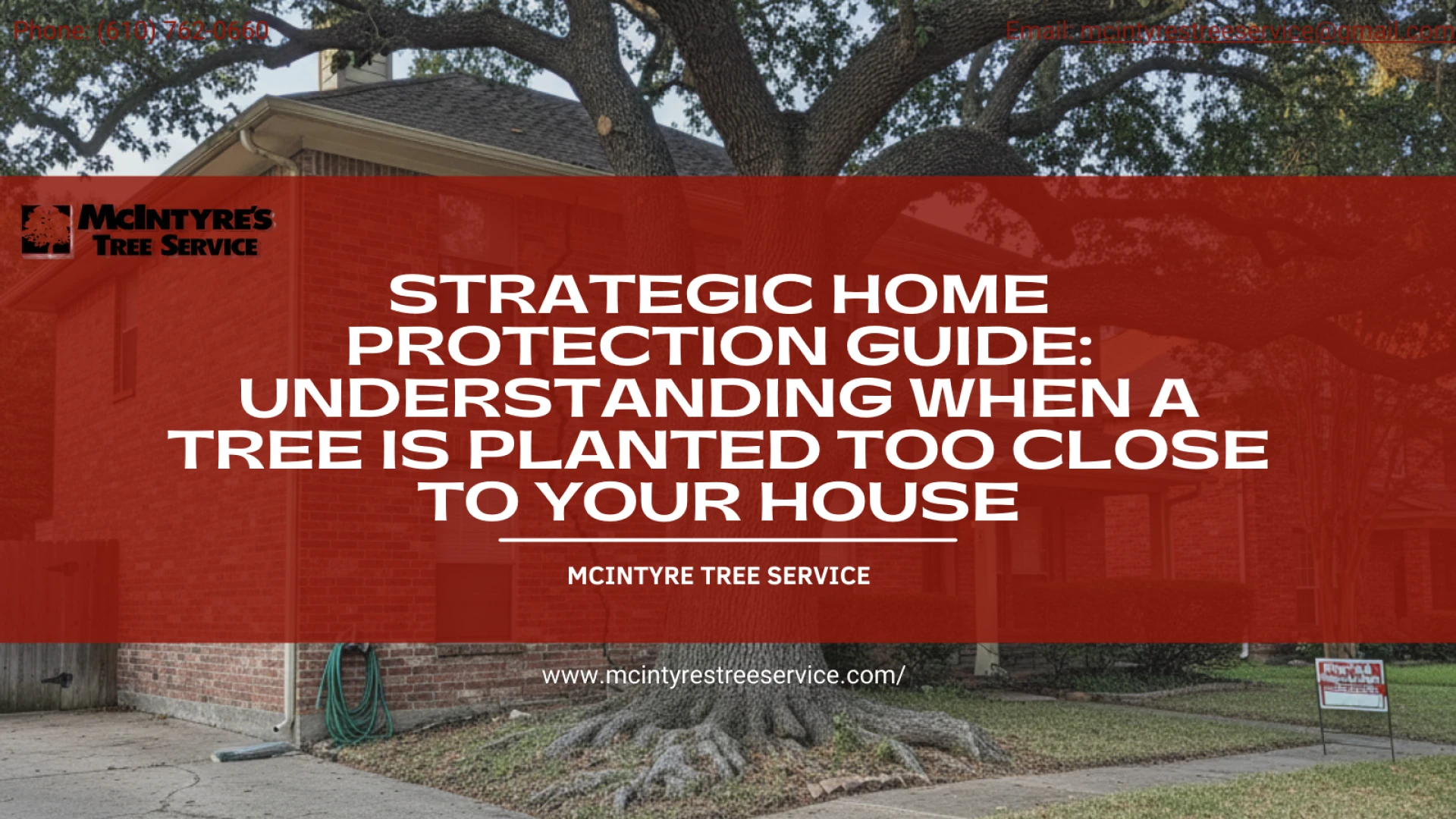
- Grow too close to homes
- Block driveways or street views
- Approach power lines
Unlike aggressive cutting methods, proper size control pruning reduces branch length without damaging overall structure.
Restoration Pruning
Restoration pruning is used when trees have been neglected or damaged by storms, construction, or disease.
This is usually a multi-year process rather than a single service visit.
Restoration pruning may involve:
- Gradual canopy reduction
- Removing damaged structural limbs
- Encouraging new healthy growth patterns
This method is often applied to older landscapes where trees have not been maintained regularly.
Understanding Types of Pruning Cuts
The effectiveness of pruning depends on cut placement, not just pruning style.
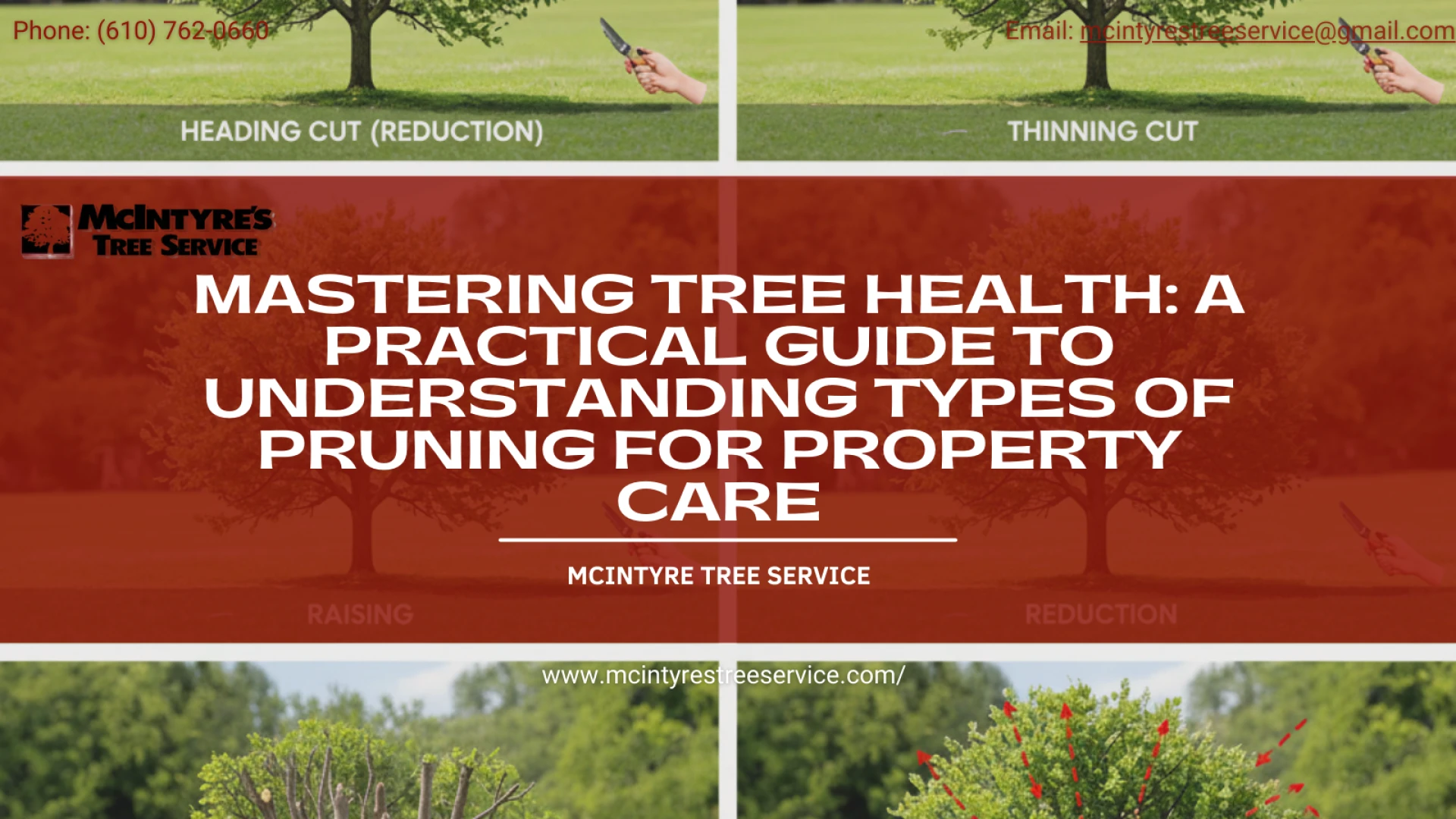
Thinning Cuts
Thinning cuts remove entire branches at their point of origin. This preserves natural tree shape and improves airflow.
Reduction Cuts
Reduction cuts shorten branches by cutting back to secondary growth points. This is commonly used for size management.
Heading Cuts
Heading cuts shorten branches without following natural branch junctions. These are sometimes used in ornamental shaping but can cause dense regrowth if overused.
Understanding types of pruning cuts helps prevent long-term structural damage and promotes natural healing.
Types of Tree Trimming vs Types of Pruning
Many property owners confuse trimming with pruning.
Pruning focuses on:
- Tree health
- Structural stability
- Disease prevention
Tree trimming focuses more on:
- Visual appearance
- General shape control
Professional arborists usually combine both practices to balance beauty and function.
Common Mistakes Property Owners Make
Avoiding these mistakes helps protect tree health and reduce liability risks.
Removing Too Many Branches
Excessive cutting can shock trees and weaken their natural defense systems.
Topping Trees
Topping removes large sections of canopy without considering structure. This can create weak regrowth patterns.
Ignoring Tree Species Needs
Different species respond differently to pruning pressure. What works for one tree may damage another.
Using Improper Tools
Dull or dirty tools can spread disease between branches.
When Professional Tree Care Is Necessary
Professional evaluation is recommended when:
- Trees are taller than two stories
- Branches are near power infrastructure
- Trees show signs of fungal growth or decay
- Storm damage has occurred
Professional arborists understand how to safely manage complex pruning situations while protecting surrounding property structures.
Conclusion
Understanding types of pruning is a powerful way to maintain healthy, safe, and visually appealing landscapes. From structural growth management to maintenance pruning, each method serves a specific purpose.
Proper pruning is about long-term planning rather than quick cosmetic changes. When done correctly, pruning improves tree stability, reduces property risk, and supports natural growth patterns.
Property owners who stay informed about types of pruning cuts and maintenance schedules can protect both their landscape investments and their property value.
Book a Tree Trimming and Pruning Service Today!
Protect your landscape investment with professional pruning guidance. Our team helps property owners choose the right pruning strategy based on tree type, age, and location.
Contact experienced tree care specialists today to schedule an evaluation and maintain healthy tree growth for years to come.
Frequently Asked Questions
1. What are the most common types of pruning?
Maintenance pruning, structural pruning, and size control pruning are among the most commonly used methods for residential properties.
2. How often should pruning be performed?
Young trees may need pruning every year, while mature trees often benefit from evaluation every 2 to 5 years.
3. Are types of pruning cuts important?
Yes. Proper cut placement helps trees heal faster and prevents disease entry.
4. Can pruning increase property value?
Yes. Well-maintained trees improve curb appeal and support safer property environments.
5. When should I hire professionals for pruning?
Hire professionals if trees are large, near buildings, or showing signs of disease or storm damage.

























Sign in to leave a comment.