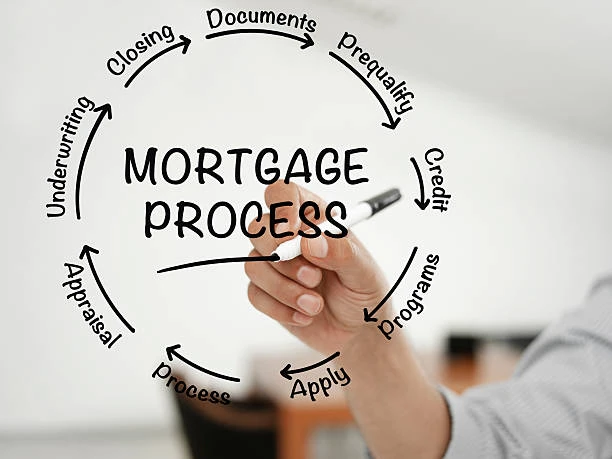

In the labyrinth of personal finance, loans are indispensable tools that can shape our financial trajectories. Whether it's buying a home, starting a business, or pursuing higher education, loans often serve as the bridge between aspirations and reality. However, not all loans are created equal, and understanding the factors that influence their structures is paramount to making informed decisions. From interest rates to repayment terms, various elements can significantly impact the dynamics of a loan. In this comprehensive guide, we delve into the important factors that shape your loan structure, empowering you to navigate the borrowing landscape with confidence and clarity. Partnering with a local community bank can provide personalized guidance and support, ensuring that borrowers have access to tailored loan solutions that meet their individual needs and financial goals.
Interest Rates: The Bedrock of Loan Dynamics
Interest rates form the cornerstone of any loan agreement, dictating the cost of borrowing over time. Whether fixed or variable, the rate you secure can have a profound impact on your overall financial commitment. Fixed rates offer stability and predictability, shielding borrowers from market fluctuations, while variable rates provide the potential for savings if interest rates decrease. Factors such as creditworthiness, prevailing market conditions, and the type of loan all influence the interest rate you're offered. Understanding the interplay between these variables is essential for assessing the long-term affordability of a loan and devising strategies to minimize interest expenses.
Loan Term: Balancing Short-Term Needs with Long-Term Goals
The duration of a loan, commonly referred to as the loan term, plays a pivotal role in determining monthly payments and total interest costs. Shorter terms typically result in higher monthly installments but lower overall interest expenses, making them ideal for borrowers seeking to repay debt swiftly. Conversely, longer loan terms offer lower monthly payments but accrue more interest over time, appealing to those prioritizing cash flow management. Deciphering the optimal loan term requires a careful evaluation of individual financial circumstances, including income stability, future earning potential, and existing debt obligations. Striking the right balance between short-term affordability and long-term financial goals is key to crafting a loan structure that aligns with your objectives.
Collateral and Down Payment: Mitigating Risk for Lenders, Securing Favorable Terms for Borrowers
Collateral and down payment requirements serve as safeguards for lenders, mitigating the risk of default and enabling them to offer more favorable loan terms to borrowers. Collateral, such as real estate or vehicles, provides lenders with a form of security in the event of non-payment, thereby reducing the perceived risk associated with extending credit. Similarly, a substantial down payment signals financial responsibility and commitment on the part of the borrower, often resulting in lower interest rates and more lenient terms. Understanding the role of collateral and down payments empowers borrowers to leverage their assets effectively and negotiate better loan terms, ultimately optimizing the structure of their borrowing arrangements.
Creditworthiness: The Currency of Trust in the Lending Arena
Your creditworthiness, as reflected in your credit score and credit history, exerts a profound influence on the terms and conditions of any loan you seek. Lenders rely on credit reports to assess the risk associated with extending credit to an individual, with higher credit scores indicative of a lower likelihood of default. Borrowers with excellent credit profiles typically qualify for lower interest rates, higher loan amounts, and more favorable terms, whereas those with subpar credit may face limited options and higher borrowing costs. Improving your creditworthiness through responsible financial management, timely bill payments, and prudent credit utilization can significantly enhance your ability to secure competitive loan structures and unlock access to a broader array of lending products.
Fees and Additional Charges: Unveiling the True Cost of Borrowing
Beyond interest rates and principal amounts, loans often entail a plethora of fees and charges that can impact the overall affordability and attractiveness of a borrowing arrangement. Common fees include origination fees, application fees, prepayment penalties, and late payment fees, each adding to the total cost of borrowing. While some fees are non-negotiable and mandated by lenders, others may be subject to negotiation or avoidance through careful comparison shopping and strategic decision-making. Understanding the full spectrum of fees associated with a loan and factoring them into your cost analysis is essential for accurately assessing the viability of different borrowing options and avoiding unwelcome surprises down the road.
Economic and Regulatory Factors: Navigating the External Forces Shaping Loan Structures
The macroeconomic environment and regulatory landscape exert significant influence on the structure and availability of loans, shaping borrower experiences and lender behavior alike. Economic indicators such as inflation, unemployment rates, and central bank policies can impact interest rates and lending standards, influencing the cost and accessibility of credit across the board. Similarly, regulatory changes introduced by government agencies and legislative bodies can introduce new requirements, restrictions, or incentives that reshape the lending landscape. Staying abreast of these external factors and their potential implications for loan structures empowers borrowers to adapt proactively, capitalize on favorable conditions, and mitigate risks arising from market volatility and regulatory shifts.
Conclusion
In the complex ecosystem of personal finance, loans occupy a central role, facilitating the realization of diverse goals and aspirations. However, navigating the intricacies of loan structures requires a nuanced understanding of the factors that shape their dynamics. From interest rates and loan terms to creditworthiness and regulatory influences, various elements interact to determine the affordability, accessibility, and suitability of borrowing options. By mastering these key influencing factors, borrowers can make informed decisions, optimize their mortgage loan structures, and embark on their financial journeys with confidence and clarity. Remember, the path to financial empowerment begins with knowledge and ends with wise choices.























Sign in to leave a comment.