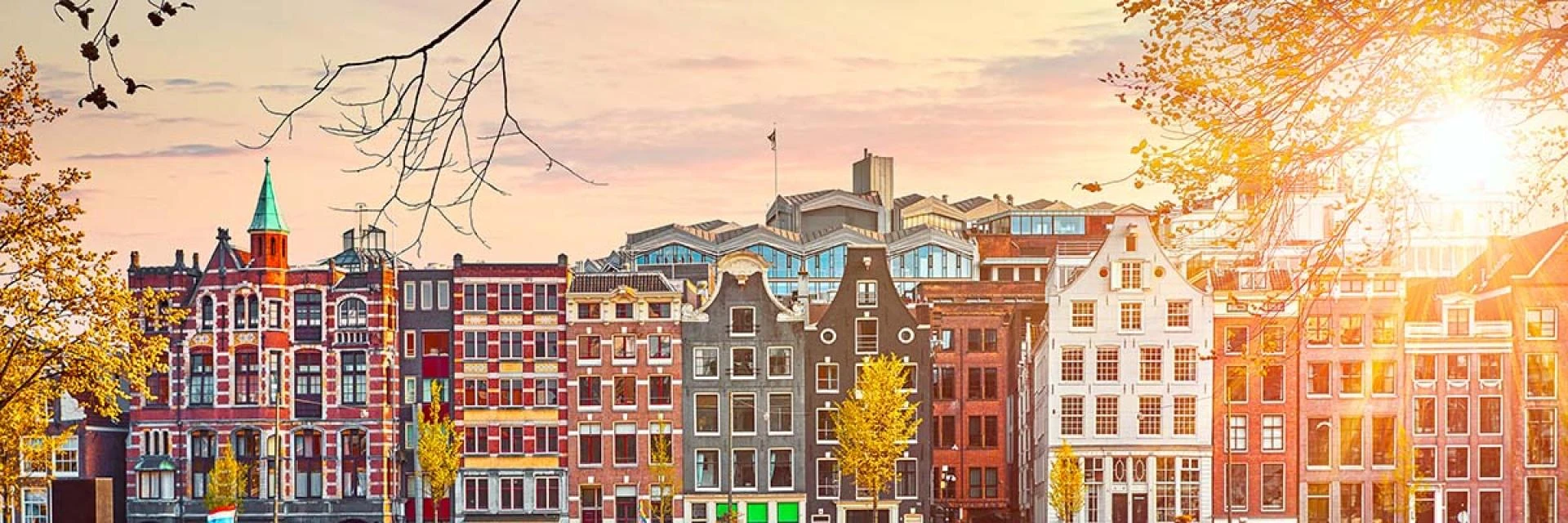

Are you planning to study abroad? Let us talk about the trickiest part of the whole process. Some would say it\'s choosing the ideal universities while others will point out at the daunting application process. But if you ask an expert, the real challenge comes when you face the visa process of your desired study destination.
Over the past few years, new study destinations like Netherlands, are becoming popular because of the great perks they have for international students. However, despite their rising appeal, not much information about their visa process are available on the internet. That is why this article. Because here we will be covering everything you need to know about getting a student visa. But before that, we believe that having a quick look at some of the top universities in Netherlands will help you understand why this place is so appealing to ambitious students like you!
Top Universities in Netherlands
Based on important factors like the academic reputation, international research network, faculty quality, employer’s reputation etc. here we list down the globally top ranked Dutch universities for international students,
University Name | Global Ranking as per QSWR 2024 |
Delft University of Technology | 47th |
University of Amsterdam | 53rd |
Utrecht University | 107th |
Eindhoven University of Technology | 124th |
Leiden University | 126th |
University of Groningen | 139th |
Wageningen University & Research | 151st |
Erasmus University Rotterdam | 176th |
And the list goes on. Coming to the student visa, let us list down the two major types of student visas available for international students,
Types of Student Visa in Netherlands
- Short Stay Visa: For courses lasting less than 90 days like short-term research projects , language courses, or orientation programs. This type of visa type takes about 60 days to get processed.
- Residence Permits: For Programs exceeding 90 days, firstly, you will receive a Provisional Residence Permit namely - Machtiging Tot Voorlopig Verblijf (MVV) from the Dutch embassy and then later you can apply for VVR – Resident Permit. The processing time of VVR is quicker and can take up to 2 weeks.
The odds of someone coming to study in Netherlands for a course that lasts less than 90 days are pretty slim. That is why most international students opt for a residence permit visa instead. So, as we go forward in this article, we will be focusing on the residence permit visa process.
Student Visa Fee In Netherlands
The Dutch Embassy/Consulate charges around € 210 to international students for visa processing. However, many universities handle this process on behalf of students and include the visa fee in their tuition fees. Still, it is important to keep an eye out for any additional handling or service fees set by your chosen Dutch university.
Requirements for Student Visa in Netherlands
To obtain a student visa for the Netherlands, there are several requirements you need to fulfill,
- Passport Validity: First and foremost, ensure that your passport has a validity of at least 12 months from the time of visa application.
- Confirmation of Admission: Make sure you obtain confirmation of admission also called HBO (hoger beroepsonderwijis) from a recognized Dutch university.
- Accredited Academic Program: Now, enroll in an academic program that is recognized by the Accreditation Organization of the Netherlands and Flanders (NVAO) or the European Quality Assurance Register for Higher Education (EQAR).
- Financial Requirement: For higher studies in Netherlands, the aspirant needs to show that they have the financial means to support themselves during their stay in the land of tulips and windmills. The IND (Dutch Immigration and Naturalization Service) has set a minimum fund requirement which currently stands at € 957.87 per month, which you can use as your living expenses in Netherlands that is around € 11,500 per annum.
- Health Insurance: It is mandatory to obtain health insurance coverage for the first three months of your stay. Additionally, you may also be required to undergo some health checkups before traveling to the Netherlands.
- Additional Documents: Complete the visa application form and provide passport-sized photographs, academic transcripts, birth certificate, and any other documents as requested.
In conclusion, indeed understanding the visa process is not everyone’s cup of tea. Timely with additional requirements and documentations, it becomes really complex and takes up a lot of time of international aspirants which they could have utilized in preparing for their standardized or English - proficiency tests required for their programs in Netherlands.
That is why people always say that ‘An expert knows all the answers – if you ask the right questions’. So, whether you are planning to pursue bachelors or masters in Netherlands, always seek guidance to as reputable overseas education consultant. They are like sailors with a compass of who guide you on the right path of your overseas education journey!

























Sign in to leave a comment.