
In today's dynamic business landscape, effective asset management is crucial for organizations to optimize operations, enhance productivity, and safeguard valuable resources. With the advent of advanced technologies, RFID (Radio Frequency Identification) has emerged as a powerful tool for asset tracking and management, revolutionizing the way businesses monitor, control, and utilize their assets. In this comprehensive guide, we'll explore the benefits of RFID asset management, delve into its key components and functionalities, and provide practical insights for implementing a successful RFID system.
The Importance of RFID Asset Management
Enhanced Visibility and Accuracy: RFID asset management provides real-time visibility into the location, status, and movement of assets, enabling organizations to track their assets with unprecedented accuracy. By eliminating manual data entry and human error, RFID ensures reliable asset tracking and minimizes the risk of loss or theft.
Improved Operational Efficiency: With RFID technology, organizations can automate asset tracking processes, streamline inventory management, and optimize resource allocation. By efficiently managing assets, businesses can reduce downtime, enhance workflow efficiency, and maximize operational productivity.
Cost Savings: RFID asset management helps organizations reduce costs associated with misplaced or lost assets, manual inventory counts, and inefficient resource utilization. By optimizing asset utilization and minimizing inventory shrinkage, RFID enables businesses to achieve significant cost savings and improve their bottom line.
Enhanced Security and Compliance: RFID provides robust security features such as encryption, authentication, and access control, ensuring that only authorized personnel have access to sensitive assets. Additionally, RFID helps organizations comply with regulatory requirements and industry standards by maintaining accurate records and audit trails of asset movements and transactions.
Scalability and Flexibility: RFID asset management systems are highly scalable and adaptable to accommodate the evolving needs of businesses of all sizes and industries. Whether tracking assets in a single location or across multiple sites, RFID solutions offer flexibility and scalability to meet diverse requirements and scale with organizational growth.
Key Components of RFID Asset Management
RFID Tags: RFID tags are small, electronic devices equipped with a microchip and antenna that store unique identification data. Tags can be attached to assets using various methods, such as adhesive backing, cable ties, or embedding within assets.
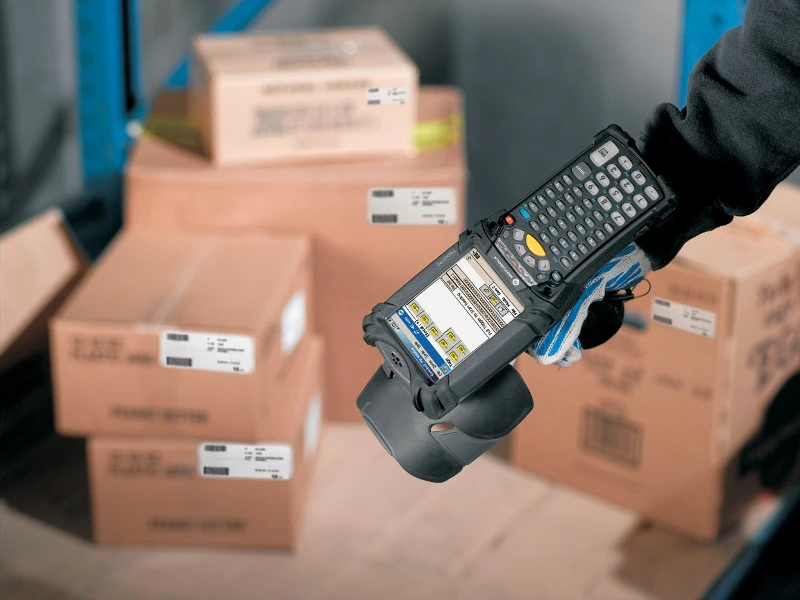
RFID Readers: RFID readers are devices that emit radio waves to communicate with RFID tags and collect data. Readers can be stationary or handheld and are deployed at strategic locations to capture asset information.
Middleware: Middleware software acts as a bridge between RFID readers and enterprise systems, facilitating data capture, processing, and integration with backend applications such as asset management software or ERP systems.
Asset Management Software: Asset management software provides a centralized platform for managing asset data, performing inventory audits, generating reports, and analyzing asset performance. Advanced features such as asset tracking, maintenance scheduling, and compliance management enhance operational efficiency and decision-making.
Integration Interfaces: Integration interfaces enable seamless integration between RFID asset management systems and existing enterprise applications, such as inventory management systems, ERP platforms, and maintenance software. Integration ensures data consistency and enables real-time visibility across organizational functions.
Implementing a Successful RFID Asset Management System
Define Objectives and Requirements: Clearly define your organization's objectives, requirements, and key performance indicators (KPIs) for RFID asset management. Identify the assets to be tracked, desired level of visibility, and expected outcomes to guide system design and implementation.
Select the Right Technology: Choose RFID technology that aligns with your organization's needs, budget, and infrastructure. Consider factors such as tag type, frequency, read range, and environmental conditions to select the most suitable RFID solution for your application.
Develop a Deployment Plan: Develop a comprehensive deployment plan that outlines project milestones, timelines, resource allocation, and implementation phases. Define roles and responsibilities, conduct pilot tests, and ensure sufficient training for staff to maximize system adoption and effectiveness.
Deploy Infrastructure: Deploy RFID infrastructure, including tags, readers, antennas, and middleware, in accordance with the deployment plan. Optimize tag placement, reader positioning, and network configuration to ensure reliable data capture and seamless system operation.
Integrate with Existing Systems: Integrate RFID asset management systems with existing enterprise systems and databases to facilitate data sharing, reporting, and analysis. Ensure compatibility and interoperability between RFID solutions and backend applications to maximize system efficiency and ROI.
Train Users and Administrators: Provide comprehensive training for users and administrators to familiarize them with RFID technology, system functionalities, and best practices for asset management. Empower staff to leverage RFID capabilities effectively and troubleshoot common issues to minimize disruptions.
Monitor and Optimize Performance: Continuously monitor system performance, data accuracy, and user feedback to identify areas for improvement and optimization. Implement regular maintenance, software updates, and performance enhancements to ensure the long-term success of RFID asset management initiatives.
Conclusion
RFID asset management represents a transformative approach to asset tracking and management, offering organizations unparalleled visibility, efficiency, and control over their valuable resources. By leveraging RFID technology, businesses can streamline operations, reduce costs, enhance security, and drive operational excellence across the enterprise. With careful planning, strategic implementation, and ongoing optimization, RFID asset management systems empower organizations to unlock new levels of productivity, agility, and competitiveness in today's dynamic business environment.









Sign in to leave a comment.