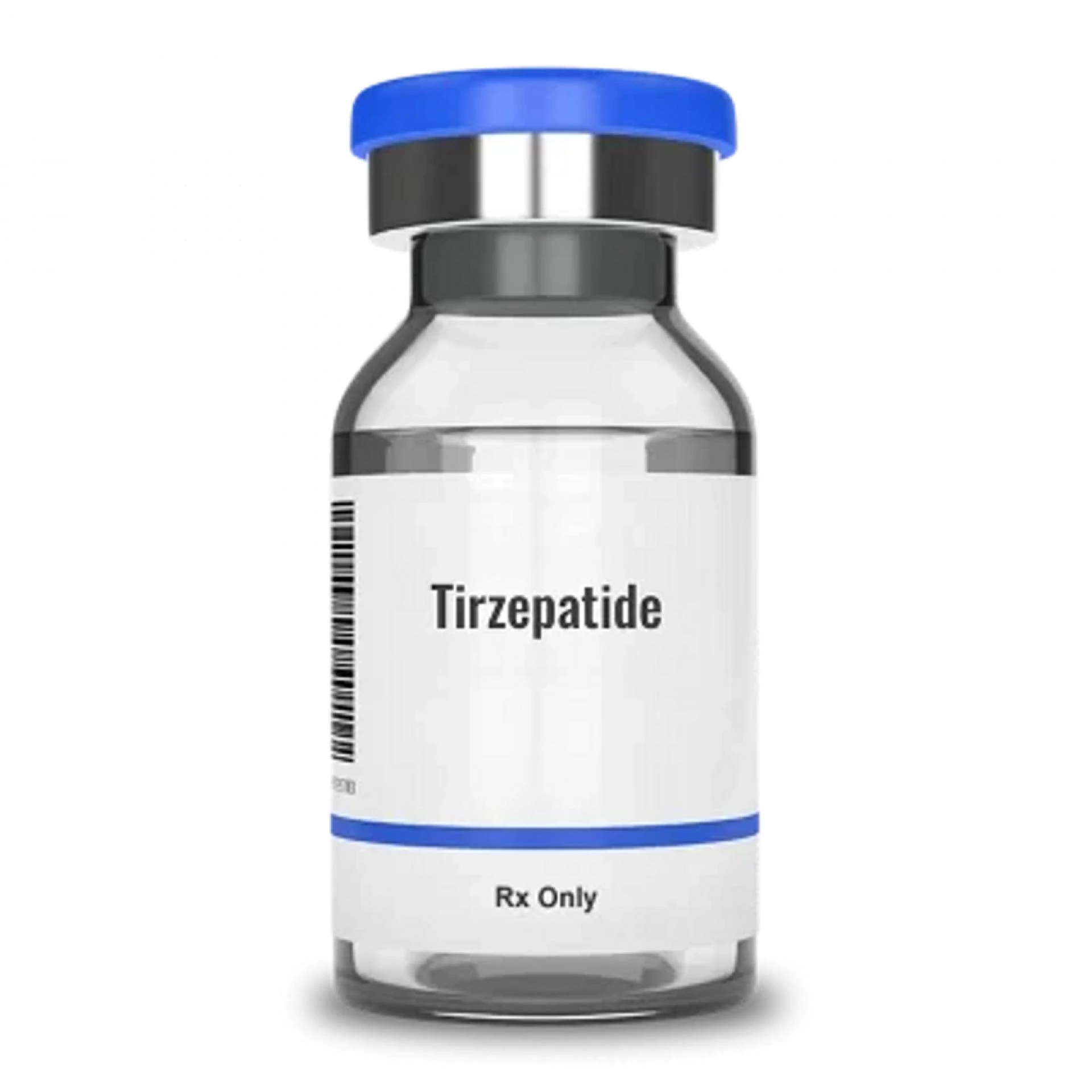

The world of diabetes management has seen revolutionary changes with the introduction of novel medications. Among these, tirzepatide has emerged as a game-changer, offering promising results for individuals with type 2 diabetes. But like any potent medication, understanding the correct dosage is crucial to maximizing its benefits while minimizing potential risks. This guide provides a detailed look at tirzepatide dosage to help you navigate this exciting treatment option.
What is Tirzepatide?
Tirzepatide is a dual glucose-dependent insulinotropic polypeptide (GIP) and glucagon-like peptide-1 (GLP-1) receptor agonist. This unique mechanism of action makes it effective in improving glycemic control and promoting weight loss. By stimulating insulin secretion and reducing glucagon levels, tirzepatide helps maintain blood glucose levels within a healthy range.
Starting Dosage: The Foundation
When initiating tirzepatide therapy, the starting dose is typically low to allow the body to adjust and to monitor any adverse reactions. The recommended starting dose is 2.5 mg once weekly. This cautious approach helps minimize gastrointestinal side effects, which are common with GLP-1 receptor agonists.
Titration: Gradual Increase for Optimal Control
After four weeks at the starting dose, the dosage is increased to 5 mg once weekly. This titration process is essential to enhance the drug's efficacy while ensuring patient tolerance. In clinical practice, a gradual increase helps achieve the desired glycemic control with fewer side effects.
For patients needing additional glycemic control, further dose increments are made. The subsequent dosage can be increased to 7.5 mg once weekly, followed by increments to 10 mg, 12.5 mg, and up to a maximum of 15 mg once weekly, if necessary. Each step should be evaluated for effectiveness and tolerability before moving to the next higher dose.
Individualized Dosage: Personalizing Treatment
Every patient is unique, and so is their response to tirzepatide. Factors such as baseline HbA1c levels, weight, renal function, and overall health can influence the optimal dosage. Regular monitoring and consultations with a healthcare provider are crucial to tailor the dosage to individual needs.
Monitoring and Adjustments
Regular follow-ups are essential to monitor the drug's effectiveness and any side effects. Healthcare providers typically conduct periodic blood tests to check HbA1c levels and other relevant parameters. Based on these results, adjustments to the tirzepatide dosage may be necessary.
Safety and Side Effects
Tirzepatide is generally well-tolerated, but like all medications, it can cause side effects. Common side effects include nausea, diarrhea, decreased appetite, and vomiting. These are usually mild to moderate and tend to decrease over time. However, patients should be aware of signs of more serious side effects, such as pancreatitis or allergic reactions, and seek medical attention if they occur.
Conclusion
Tirzepatide represents a significant advancement in diabetes management, offering a powerful tool for achieving better glycemic control and weight loss. Understanding the appropriate dosage and adhering to a titration schedule can help maximize its benefits while minimizing risks. Always consult with a healthcare provider to determine the most suitable dosage regimen for your individual needs.
By staying informed and proactive, you can make the most out of tirzepatide therapy, paving the way for a healthier future.
FAQ:
What is tirzepatide, and how does it work?Tirzepatide is a medication used to manage type 2 diabetes. It works by mimicking two hormones, GIP and GLP-1, which help regulate blood sugar levels. Tirzepatide stimulates insulin secretion, reduces glucagon levels, and slows gastric emptying, helping to control blood glucose levels and promote weight loss.
What is the recommended starting dose for tirzepatide?The recommended starting dose of tirzepatide is 2.5 mg once weekly. This initial dose helps the body adjust to the medication and minimizes the risk of gastrointestinal side effects.
How is tirzepatide administered?Tirzepatide is administered via subcutaneous injection (under the skin) once weekly. It is typically injected into the abdomen, thigh, or upper arm.
How often should the tirzepatide dose be increased?After the initial four weeks at 2.5 mg, the dose is increased to 5 mg once weekly. Further increases, if needed, should be made gradually, typically every four weeks, in 2.5 mg increments up to a maximum dose of 15 mg once weekly.
What should I do if I miss a dose of tirzepatide?If you miss a dose, take it as soon as you remember, provided it is within 4 days (96 hours) of the missed dose. If it has been more than 4 days, skip the missed dose and resume your regular dosing schedule. Do not take two doses at the same time to make up for a missed dose.











Sign in to leave a comment.