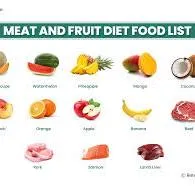

A combined meat and fruit diet for kidney patients focuses on balancing moderate, high-quality lean proteins with low-potassium, antioxidant-rich fruits. Because Chronic Kidney Disease (CKD) impairs the body's ability to filter excess protein waste, potassium, and phosphorus, an unguided "carnivore-style" high-protein diet or unrestricted fruit consumption can strain the kidneys. A renal-friendly meat and fruit diet uses exact portion control, low-sodium preparation, and strategic fruit selection to support metabolic balance and slow CKD progression.
Understanding the Meat and Fruit Diet for Kidney Health
The popular trend of combining an animal-based meat diet with a fresh fruit diet has raised important questions for people living with kidney disease. While animal protein provides essential amino acids and fruit offers critical dietary fiber and antioxidants, managing Chronic Kidney Disease (CKD) requires a carefully modified approach.
When kidneys experience reduced function, their ability to excrete nitrogenous waste, balance electrolytes, and regulate metabolic acid levels drops significantly. Consuming an unrestricted meat and fruit diet without professional guidance can lead to hyperfiltration, metabolic acidosis, hyperkalemia (high blood potassium), and hyperphosphatemia (high blood phosphorus).
However, when properly structured by a renal dietitian, a tailored meat and fruit diet plan can provide essential nutrition without overloading damaged nephrons.
How Protein and Fruit Impact Renal Function?
- Glomerular Pressure: High animal protein intake increases blood flow into the kidney's filtering units (glomeruli), forcing remaining functional nephrons to overwork. Portion control is essential.
- Acid-Base Balance: Digesting red meat generates non-volatile metabolic acids. In contrast, base-producing fruits help neutralize acid buildup, helping protect against CKD-related metabolic acidosis.
- Electrolyte Management: Impaired kidneys struggle to excrete excess potassium and phosphorus. Selecting low-potassium fruits and phosphorus-additive-free meats is critical for cardiovascular and bone safety.
Core Rules for a Renal-Friendly Meat and Fruit Diet
Before building meal plans, kidney patients must align their daily intake with their specific stage of CKD and dialysis status.
1. Select the Right Meat Proteins
Not all animal proteins affect the kidneys equally. Focus on fresh, unseasoned lean meats while strictly avoiding processed items.
- Best Choices: Fresh chicken breast, turkey, wild-caught white fish (e.g., cod, halibut), salmon, and egg whites.
- Meats to Limit: Red meat (beef, lamb, pork) should be consumed sparingly due to higher acid production and phosphorus content.
- Meats to Avoid: Cured, smoked, or deli meats (bacon, sausage, hot dogs, canned meats) containing sodium and synthetic phosphate additives (look for "PHOS" on ingredient labels).
2. Choose Low-Potassium, Low-Oxalate Fruits
Fruits are rich in vital micronutrients, but their potassium levels vary widely.
- Recommended Low-Potassium Fruits: Apples, blueberries, strawberries, raspberries, blackberries, red/green grapes, cranberries, pineapples, cherries, and plums.
- High-Potassium Fruits to Limit or Avoid: Bananas, oranges, avocados, cantaloupe, honeydew melon, kiwis, prunes, and dried fruits (e.g., raisins, dried apricots).
4 Meal Ideas for a Kidney-Friendly Meat and Fruit Diet
These meal ideas combine controlled portions of lean meat with renal-friendly fruits, keeping sodium, potassium, and phosphorus within safe clinical limits.
Idea 1: Herb-Roasted Chicken Breast with Fresh Blueberry Apple Salad
- Protein Element: 3 oz (85g) of skinless, fresh chicken breast roasted with olive oil, rosemary, and garlic powder (no added salt).
- Fruit Element: A cold salad made from 1/2 cup of diced Gala apple and 1/2 cup of fresh blueberries tossed with a splash of lemon juice.
- Why It Works: Chicken provides high-biological-value protein with low acid load per serving, while blueberries and apples deliver anti-inflammatory anthocyanins and soluble fiber without elevating serum potassium.
Idea 2: Pan-Seared Wild Cod with Pineapple-Cranberry Salsa
- Protein Element: 3 oz (85g) of pan-seared wild cod cooked in light olive oil.
- Fruit Element: Fresh salsa made with 1/2 cup of finely diced fresh pineapple, 2 tablespoons of dried unsweetened cranberries, chopped cilantro, and lime juice.
- Why It Works: Cod is naturally low in phosphorus and fat. Pineapple contains bromelain, an anti-inflammatory enzyme, while cranberries provide proanthocyanidins that support urinary tract health.
Idea 3: Grilled Turkey Patties with Fresh Raspberry & Grape Plate
- Protein Element: Lean homemade ground turkey patty (3 oz cooked) seasoned with cracked black pepper, thyme, and onion powder (zero salt or phosphate additives).
- Fruit Element: 1/2 cup of fresh red seedless grapes and 1/2 cup of raspberries.
- Why It Works: Ground turkey offers a low-saturated-fat meat diet base. Grapes contain resveratrol, a potent antioxidant that supports cardiovascular health in renal patients.
Idea 4: Egg White & Shredded Chicken Omelet with Strawberries
- Protein Element: Omelet made with 2 large egg whites and 1 oz of leftover shredded unseasoned poached chicken breast.
- Fruit Element: 1/2 cup of sliced fresh strawberries served on the side.
- Why It Works: Egg whites offer pure protein with minimal phosphorus compared to whole eggs (which contain phosphorus in the yolk). Strawberries add vitamin C and dietary fiber without a potassium spike.
Strategic Tips for Implementing a Meat and Fruit Diet Safely
1. Monitor Acid Load and Hydration
While a pure meat diet increases the kidney's metabolic acid workload, incorporating alkaline-forming fruits helps neutralize net endogenous acid production (NEAP). Always maintain individual fluid restrictions as advised by your nephrologist.
2. Read Labels for Hidden Inorganic Phosphorus
Inorganic phosphate additives found in pre-packaged or seasoned meats are absorbed by the body at a rate near 100%, compared to only 40–60% for organic phosphorus in fresh meats. Avoid products listing ingredients like dicalcium phosphate, disodium phosphate, or sodium tripolyphosphate.
3. Coordinate with a Registered Renal Dietitian
Because dietary requirements vary significantly based on blood test results (eGFR, BUN, serum potassium, phosphorus, and bicarbonate), never start a high-meat or specialized fruit diet without individual medical oversight.
Frequently Asked Questions
Can kidney patients follow a pure carnivore (all-meat) diet?
A strict, high-protein carnivore diet is generally not recommended for individuals with non-dialysis Chronic Kidney Disease. Excessive animal protein consumption generates nitrogenous wastes (urea) and metabolic acid that the damaged kidneys struggle to filter, potentially accelerating kidney function decline.
Is a fruit diet safe for people with Chronic Kidney Disease?
A diet consisting exclusively of fruit is unbalanced because it lacks essential protein, healthy fats, and key minerals. Furthermore, consuming large quantities of fruit can lead to hyperkalemia (dangerously high blood potassium) or blood sugar spikes in diabetic kidney patients. Low-potassium fruits should be eaten in measured portions as part of a balanced diet.
Which fruits have the lowest potassium for kidney patients?
Berries (strawberries, blueberries, raspberries, blackberries), apples, cranberries, pineapples, red grapes, cherries, and plums are among the lowest in potassium and safest for kidney patients when consumed in recommended serving sizes (typically 1/2 cup).
How much meat can a CKD patient safely eat per day?
For non-dialysis CKD stages 3–5, guidelines generally suggest limiting total daily protein to about 0.55-0.6 grams per kilogram of ideal body weight, with meat portions typically restricted to 2–3 ounces (about the size of a deck of cards) per meal. Patients on dialysis may require higher protein intake due to protein loss during treatment.
Summary & Next Steps
Combining moderate portions of fresh lean meat with low-potassium, antioxidant-dense fruits offers a flavorful way to meet nutritional needs without straining compromised kidneys. By keeping sodium low, avoiding phosphate additives, and strictly controlling portion sizes, kidney patients can safely enjoy the benefits of a structured meat and fruit diet.






























Sign in to leave a comment.