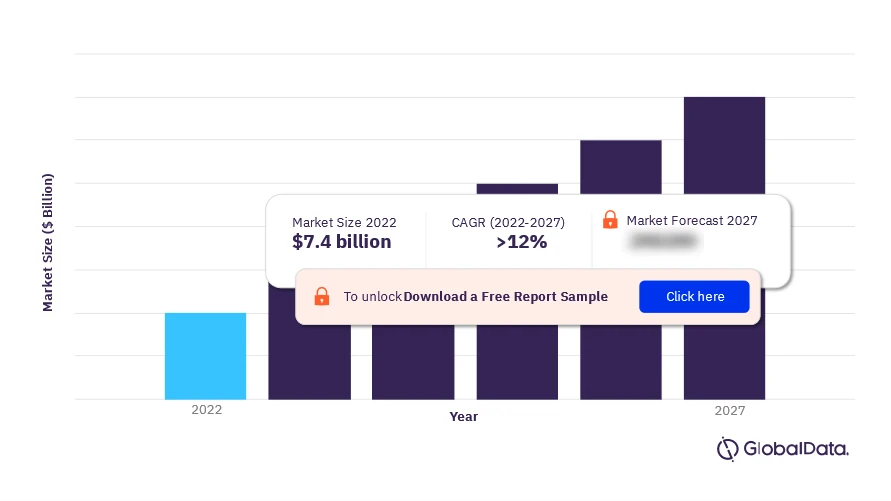

The meat substitutes market has experienced significant growth in recent years, and this trend is expected to continue as consumers increasingly seek alternative protein sources for various reasons, including health, environmental, and ethical concerns. Here are some key factors contributing to the growth of the meat substitutes market:
Health and Wellness Trends:
Consumers are becoming more health-conscious, and many are seeking meat substitutes as a healthier protein option. Meat alternatives often contain lower levels of saturated fat and cholesterol compared to traditional meat products, making them an attractive choice for those looking to improve their diet.Plant-Based and Clean Label Products:
There is a growing demand for plant-based and clean label products, which are perceived as more natural and less processed. Meat substitutes made from whole or minimally processed ingredients are particularly popular.Environmental and Sustainability Concerns:
Awareness of the environmental impact of the meat industry, including greenhouse gas emissions and deforestation, has led to a surge in demand for sustainable and eco-friendly protein sources. Plant-based meat substitutes typically have a lower environmental footprint than traditional meat products.Ethical and Animal Welfare Considerations:
Concerns about animal welfare and the treatment of animals in the meat industry have prompted many consumers to seek out meat substitutes that do not involve the harm or exploitation of animals.Innovation and Improved Taste:
Ongoing research and development efforts have led to the creation of meat substitutes that closely mimic the taste, texture, and appearance of traditional meat products. These innovations have made plant-based options more appealing to a wider range of consumers.Increased Availability and Convenience:
Meat substitutes are now widely available in grocery stores, restaurants, and fast-food chains, making them more accessible to consumers. This increased availability has contributed to their growth.Support from Celebrities and Influencers:
The endorsement of meat substitutes by celebrities, athletes, and social media influencers has helped raise awareness and drive consumer interest in these products.Global Expansion:
The popularity of meat substitutes is not limited to a specific region; it is a global trend. Companies are expanding their products and distribution networks worldwide to cater to the growing demand.Investment and Innovation:
Both established food companies and startups are investing in research and development to create new and improved meat substitute products. This investment has resulted in a diverse range of plant-based options.Regulatory Support:
Governments and regulatory bodies are increasingly supportive of meat substitutes due to their potential to address health, environmental, and sustainability concerns. This support can foster further growth in the market.Allergen-Free and Specialty Products:
Meat substitutes are also catering to specific dietary needs, including gluten-free, soy-free, and allergen-free options, expanding the consumer base for these products.Mergers and Acquisitions:
Large food companies are acquiring or partnering with meat substitute startups to enter the plant-based market. This consolidation is helping to drive innovation and expand the reach of these products.The growth of the meat substitutes market is likely to continue as consumer preferences evolve, and companies continue to innovate and improve their offerings. This trend aligns with the broader movement toward sustainable, plant-based, and alternative protein sources in the food industry. To get a snapshot of the meat substitutes market report, download a free report sample












Sign in to leave a comment.