

The MedLinks Experts\' Guide to Hair Growth
Ever wondered how to achieve luscious, flowing locks? You’re not alone! Hair growth is a common concern for many, and finding the right information can be overwhelming. That\'s where the experts at MedLinks come in. With years of experience and a wealth of knowledge, they’ve put together this comprehensive guide to help you understand and optimize your Hair Growth Tips: Shared by the Experts of MedLinks.
Understanding Hair Growth
The Hair Growth Cycle
Hair growth is a fascinating process that occurs in cycles. There are three main phases: Anagen (growth phase), Catagen (transitional phase), and Telogen (resting phase). During the Anagen phase, which can last anywhere from 2 to 7 years, hair actively grows. The Catagen phase is short, about 2-3 weeks, marking the end of active growth. Finally, the Telogen phase lasts about 3 months, after which the hair falls out and a new cycle begins.
Factors Influencing Hair Growth
Several factors influence hair growth, including genetics, age, hormones, and overall health. Nutritional deficiencies, stress, and environmental factors can also impact how your hair grows. Understanding these factors is crucial for addressing any hair growth concerns.
Nutrition and Diet
Essential Nutrients for Hair Growth
Your diet plays a significant role in hair health. Essential nutrients like vitamins A, C, D, and E, zinc, iron, and omega-3 fatty acids are vital for hair growth. Biotin (vitamin B7) is particularly important for strengthening hair and promoting growth.
Foods That Promote Hair Health
Incorporate foods rich in these nutrients into your diet to support hair growth. Examples include:
- Leafy greens like spinach and kale
- Nuts and seeds such as almonds and chia seeds
- Fatty fish like salmon
- Eggs, which are high in biotin
- Fruits like berries and avocados
Hair Care Practices
Proper Hair Washing Techniques
Washing your hair correctly is crucial. Use lukewarm water and a sulfate-free shampoo. Focus on cleaning the scalp, where oil and dead skin cells accumulate. Avoid vigorous scrubbing, which can damage hair cuticles.
Importance of Conditioning
Conditioning helps to moisturize and protect your hair. Apply conditioner from the mid-length to the ends, avoiding the scalp. For extra nourishment, consider using a deep conditioning treatment once a week.
Avoiding Heat Damage
Heat styling tools can cause significant damage to your hair. When using blow dryers, straighteners, or curling irons, always apply a heat protectant spray. Try to limit the use of these tools to maintain healthy hair.
MedLinks Recommended Products
Shampoos and Conditioners
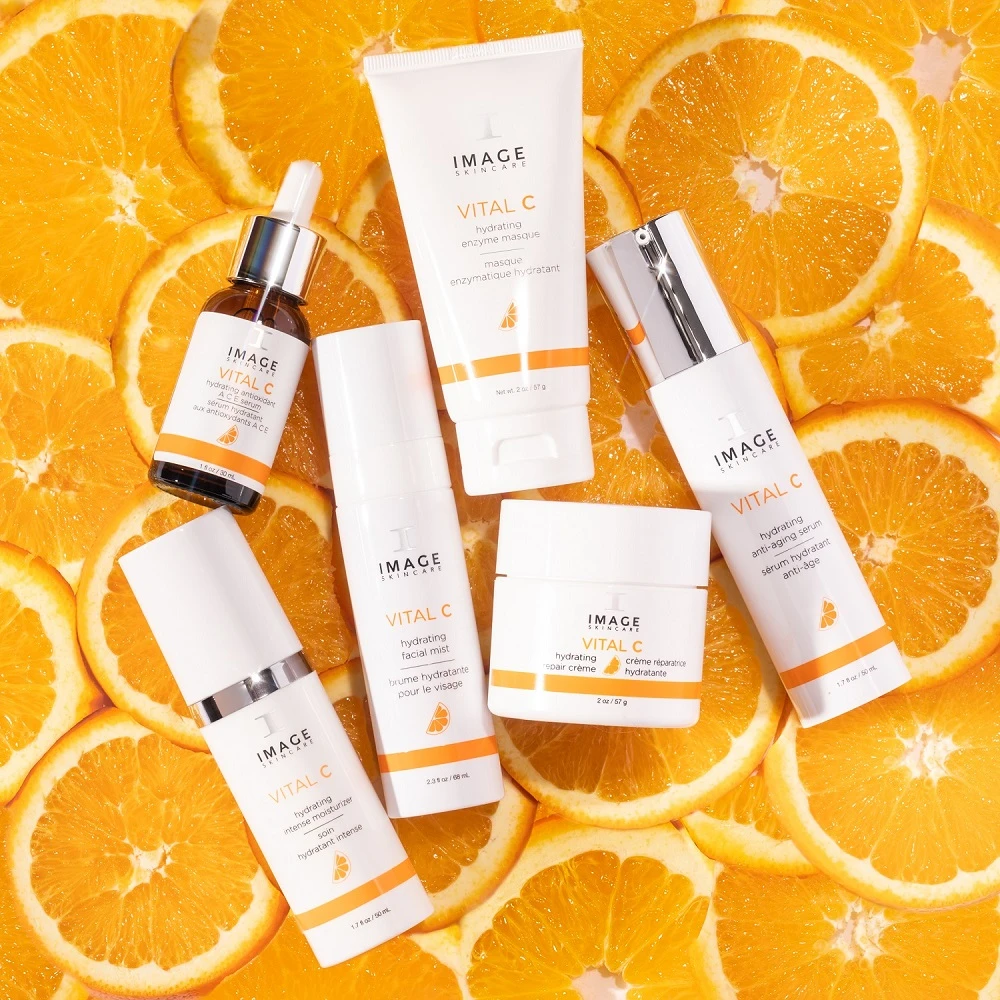
MedLinks experts recommend using shampoos and conditioners that are free of harsh chemicals. Look for products containing natural ingredients like aloe vera, argan oil, and keratin to strengthen and nourish your hair.
Serums and Oils
Hair serums and oils can provide additional moisture and shine. Products containing ingredients like jojoba oil, castor oil, and coconut oil are excellent for promoting hair health.
Supplements for Hair Growth
Sometimes, your diet might not provide all the nutrients your hair needs. Supplements containing biotin, vitamin D, and fish oil can help bridge this gap and support hair growth.
Scalp Health
Importance of a Healthy Scalp
A healthy scalp is the foundation for hair growth. It’s essential to keep your scalp clean and free from buildup, which can clog hair follicles and impede growth.
Tips for Maintaining Scalp Health
- Regular Exfoliation: Use a scalp scrub or a brush to remove dead skin cells.
- Moisturizing: Apply scalp-specific oils to prevent dryness.
- Avoiding Harsh Products: Steer clear of shampoos with sulfates and parabens that can irritate the scalp.
Lifestyle and Hair Growth
Impact of Stress on Hair
Stress can significantly affect hair growth. High stress levels can lead to hair loss conditions like telogen effluvium, where stress pushes hair follicles into the resting phase prematurely.
Importance of Sleep
Adequate sleep is crucial for overall health, including hair growth. Aim for 7-9 hours of quality sleep per night to allow your body to repair and regenerate.
Physical Activity and Hair Health
Regular physical activity improves blood circulation, which in turn nourishes hair follicles and promotes growth. Incorporate exercises like yoga and cardio into your routine.
Professional Treatments and Therapies
PRP Therapy
Platelet-rich plasma (PRP) therapy involves injecting your plasma into the scalp to stimulate hair growth. It’s a popular, non-surgical treatment that boosts hair follicle activity.
Laser Therapy
Low-level laser therapy (LLLT) uses light energy to stimulate hair growth. It’s an effective treatment for both men and women experiencing hair thinning.
Hair Transplantation
For severe hair loss, hair transplantation is a surgical option where hair follicles are moved from one part of the body to the scalp. It provides long-lasting results for restoring hair density.
Common Myths about Hair Growth
Debunking Hair Growth Myths
There are many myths surrounding hair growth. For instance, trimming your hair does not make it grow faster, and brushing your hair 100 times a day can do more harm than good.
Truths About Hair Loss and Regrowth
Understanding the truths about hair loss and regrowth can help you take better care of your hair. Hair loss can be genetic, but with proper care and treatment, it’s possible to manage and even reverse some types of hair loss.
DIY Hair Growth Remedies
Natural Oils and Masks
Natural oils like coconut oil, castor oil, and rosemary oil can be applied to the scalp to stimulate growth. Homemade hair masks with ingredients like honey, avocado, and yogurt provide deep nourishment.
Home Remedies for Hair Growth
Simple home remedies such as massaging your scalp with essential oils, rinsing with apple cider vinegar, and using onion juice can promote hair growth.
Preventive Measures
Tips to Prevent Hair Loss
Preventing hair loss involves regular care and healthy habits. Avoid tight hairstyles, minimize chemical treatments, and protect your hair from sun damage.
Habits for Maintaining Healthy Hair
Developing good hair care habits is essential. Regular trims, gentle handling, and using the right products can keep your hair healthy and strong.
Seasonal Hair Care Tips
Summer Hair Care
In summer, protect your hair from the sun by wearing hats and using UV protectant sprays. Keep your hair hydrated with regular conditioning.
Winter Hair Care
Winter can dry out your hair, so focus on moisturizing. Use heavier conditioners and oils to combat dryness and static.
Achieving and maintaining healthy hair growth requires a combination of proper nutrition, hair care practices, and lifestyle habits. The experts at MedLinks offer valuable insights and treatments to help you on your journey to luscious locks. Remember, healthy hair growth is a marathon, not a sprint. Consistent care and the right guidance can lead to amazing results.














Sign in to leave a comment.