
Starting a career in Melbourne traffic control can open the door to steady work across construction, road maintenance, and civil projects. Roads are always being built or repaired, and trained workers are needed to keep sites safe. If you are new to the industry, the rules and training steps may seem confusing. This guide explains what traffic control involves, what qualifications you need, and how to begin. You will learn about training, job duties, and career growth in simple terms that are easy to follow.
What Is Traffic Control?
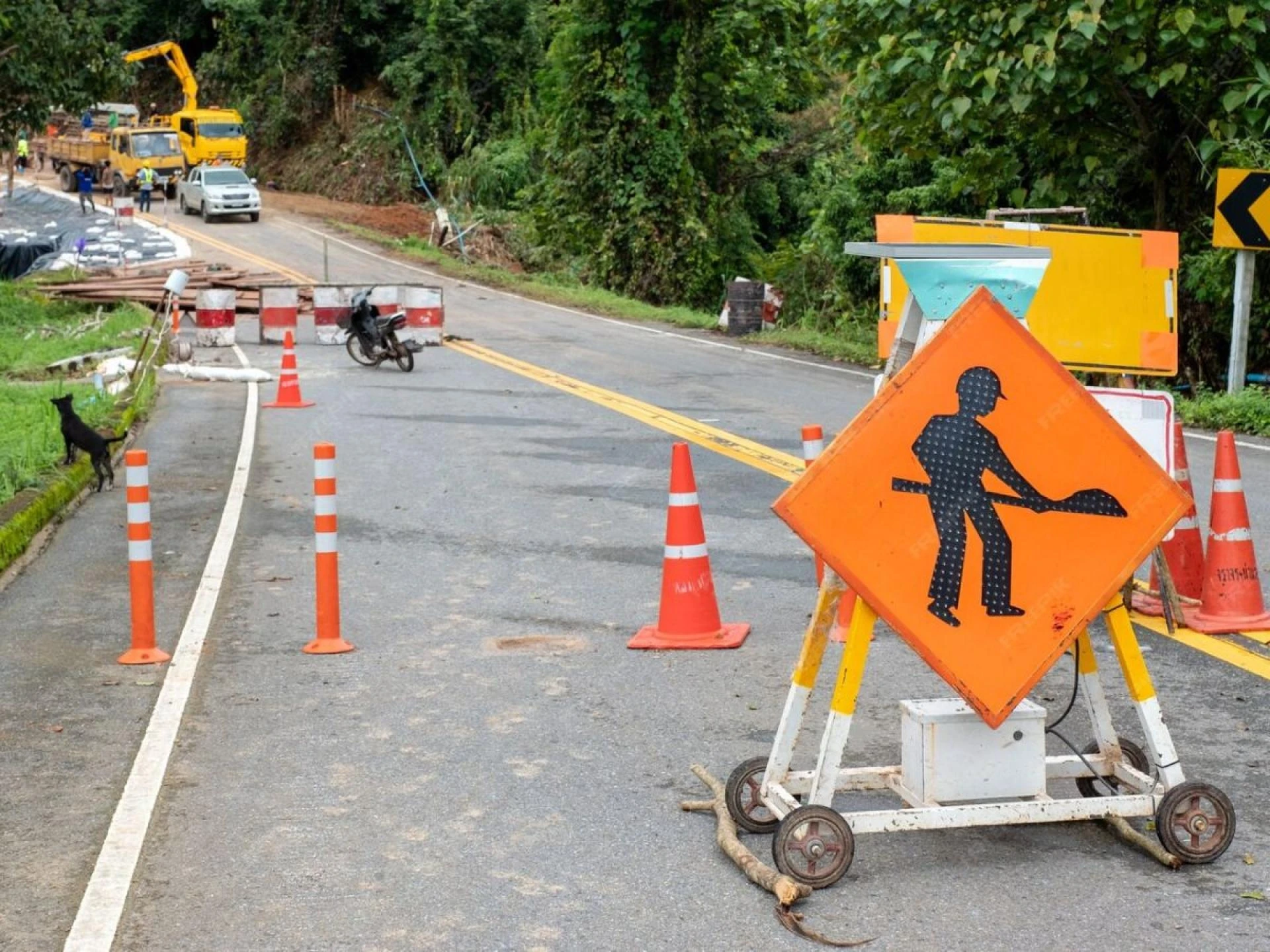
Traffic control is the process of guiding vehicles and pedestrians safely around roadworks. Workers set up signs, cones, and barriers. They also monitor traffic flow and reduce risk on-site.
The main goal is safety. You protect drivers, workers, and the public. You must follow state guidelines and approved traffic management plans at all times.
Why Traffic Control Matters
Roadworks can be dangerous. Without clear signs and trained staff, accidents can happen. Traffic controllers help reduce injuries and delays.
Here is why the role is important:
- Keeps road users safe
- Protects construction workers
- Reduces traffic confusion
- Ensures legal compliance
It is not just holding a stop bat. It is a skilled and responsible job.
What Qualifications Do You Need?
In Victoria, you must complete approved training before working on site. The key step is taking an implement traffic management plan course melbourne providers offer under national standards.
This course teaches you how to:
- Read and follow traffic management plans
- Set up signage and devices
- Identify hazards
- Communicate with team members
You also need a White Card before enrolling. Some training programs include theory and practical assessment.
What You Learn in an Implement Traffic Management Plan Course Melbourne
The implement traffic management plan course in melbourne focuses on real site conditions. Training usually runs over two days and includes classroom and outdoor practice.
During the course, you will learn how to:
- Position traffic signs correctly
- Use portable traffic lights
- Control low-speed and high-risk areas
- Complete the required documentation
You must also complete supervised practical tasks after training. This proves you can apply your skills in real work settings.

Skills You Should Have
You do not need experience to begin. However, certain skills help you succeed:
- Clear communication
- Alertness and focus
- Physical fitness
- Teamwork
- Confidence in busy environments
Traffic control can involve long hours outdoors. Weather conditions may vary. Being prepared helps you perform well.
How Much Can You Earn?
Pay rates depend on experience and project type. Many entry-level traffic controllers earn competitive hourly wages. Night shifts and major road projects often pay more.
With experience, you can move into higher roles such as:
- Traffic management supervisor
- Site safety officer
- Project coordinator
There is strong demand across Victoria, especially in growing metro areas.
Steps to Start Your Career
If you are ready to begin, follow these steps:
- Get your White Card
- Enroll in accredited training
- Complete practical requirements
- Apply for entry-level roles
- Build experience on-site
Once qualified, you can work with civil contractors, councils, and road maintenance companies.
Choosing the Right Training Provider
Not all courses are equal. Look for nationally recognized training that meets state compliance standards. Check that practical components are included. Confirm that your certificate will be accepted across Victoria.
Training Aid Australia delivers structured, hands-on programs designed to prepare students for real job sites. The focus is on safety, compliance, and practical skill development.
Build Skills That Open Doors
A career in melbourne traffic control offers stable income and growth opportunities. The industry continues to expand as infrastructure projects increase. Proper training gives you the confidence to work safely and legally. If you want a reliable path into construction, this field is a smart choice. Training Aid Australia provides accredited programs that help beginners gain job-ready skills quickly. With expert trainers and practical learning, you can take the first step toward long-term success in traffic control today.




























Sign in to leave a comment.