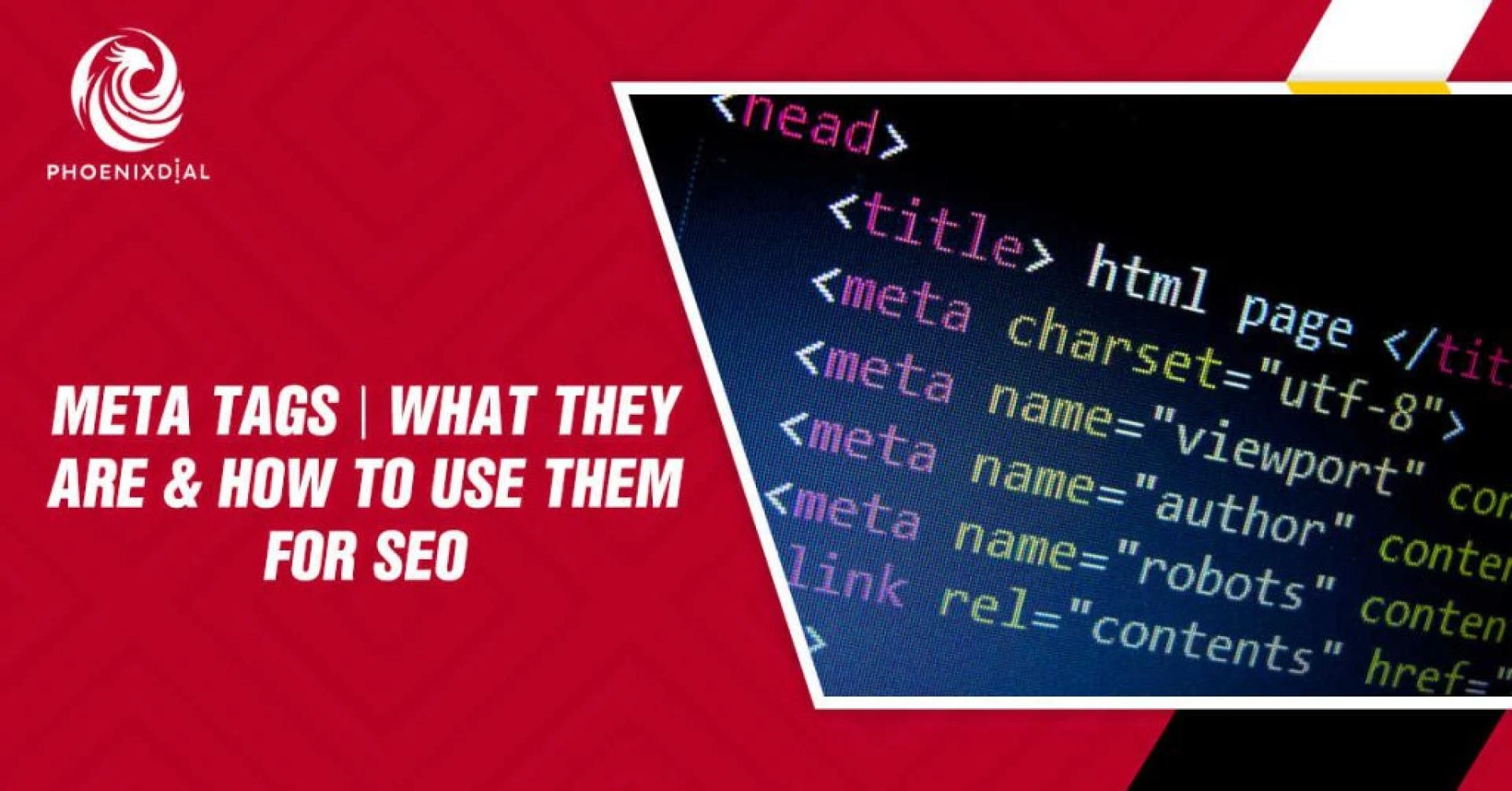

When it comes to SEO, meta tags play an important role. They may not be visible on the page, but search engines and users both rely on them to understand your content. If you want better rankings, higher clicks, and improved online visibility, learning how to use meta tags is a must.
What Are Meta Tags?
Meta tags are snippets of code placed in the HTML of a webpage. They tell search engines what your page is about. While visitors don’t see them directly on the page, meta tags appear in search engine results and influence how users interact with your website.
For example:
- The meta title appears as the headline in search results.
- The meta description shows below the title and explains the page content.
Why Are Meta Tags Important for SEO?
Meta tags help search engines understand and rank your content. They also impact user behavior. A clear, keyword-rich title and description can encourage more people to click your link instead of your competitor’s. In other words, good meta tags improve both SEO and CTR (click-through rate).
How to Optimize Meta Tags for SEO
- Use Keywords Wisely — Place primary keywords in the title and description.
- Write for Humans First — Keep it clear, natural, and engaging.
- Keep It Short & Relevant — Don’t exceed character limits.
- Make Each Page Unique — Avoid duplicate meta tags.
- Test & Improve — Check how your tags perform and update when needed.
Common Mistakes to Avoid
- Stuffing too many keywords.
- Using the same meta tags across all pages.
- Writing vague or misleading descriptions.
- Ignoring mobile optimization.
Conclusion
Meta tags may be small, but they’re powerful for SEO. They help search engines understand your content and encourage users to click on your site. By writing unique, keyword-rich, and engaging tags, you can improve both your ranking and your traffic.
Want to optimize your website’s meta tags and boost your SEO performance? Our team can help you create strategies that drive results. Contact Us today.

























Sign in to leave a comment.