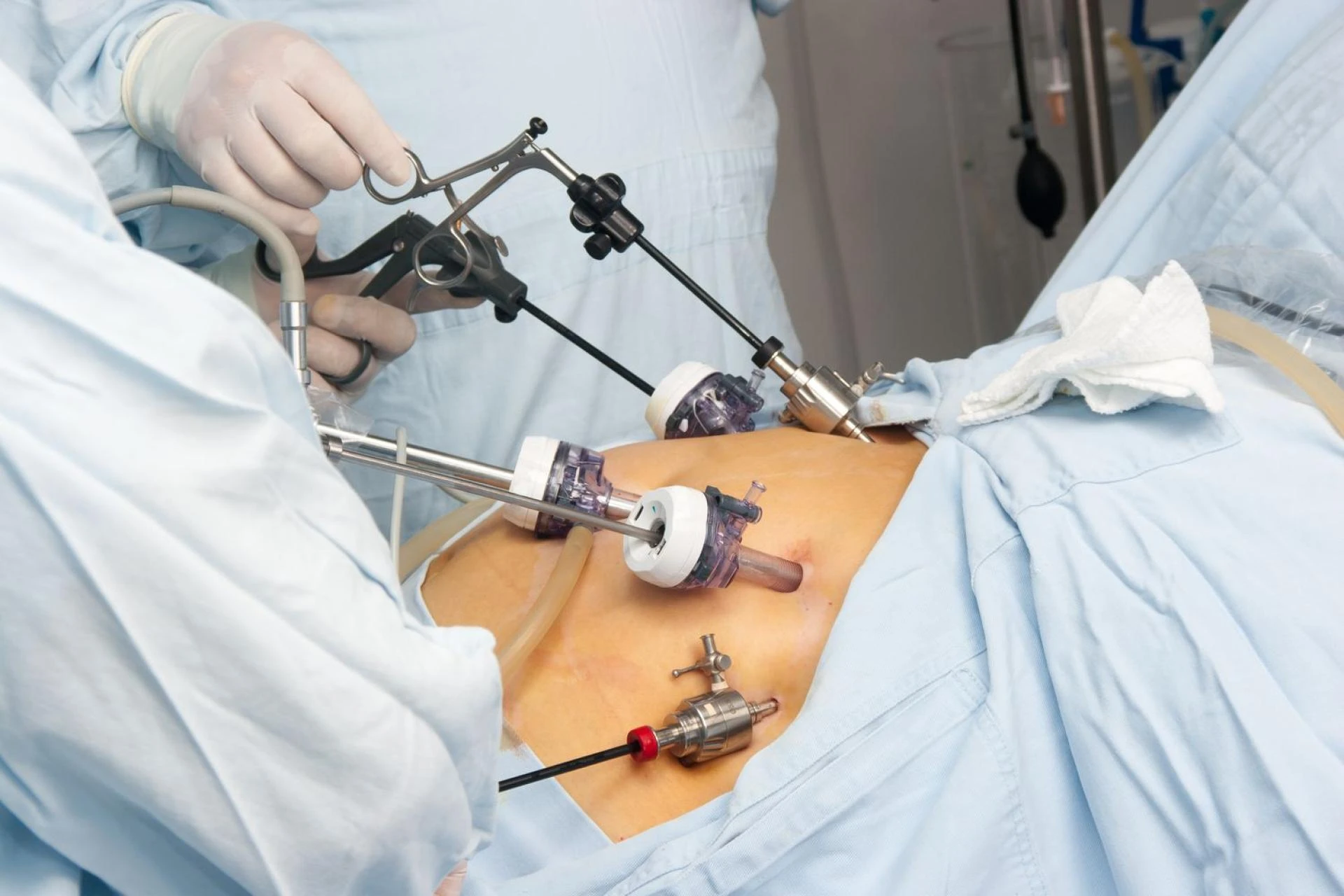

Metabolic surgery, often referred to as bariatric surgery, is a highly effective medical intervention for individuals struggling with obesity and related metabolic conditions in the United Kingdom. While the benefits of these surgeries are well-documented, the financial aspect of metabolic surgery can be a significant concern for many patients. In this comprehensive guide, we will explore the financing options available and the insurance coverage landscape for , helping individuals make informed decisions about their weight loss journey.
The Impact of Obesity in the UK
Obesity is a growing health crisis in the UK, with approximately one in four adults classified as obese. It is associated with a range of serious health conditions, including type 2 diabetes, heart disease, and certain types of cancer. Many individuals with obesity struggle to achieve lasting weight loss through diet and exercise alone, leading them to consider metabolic surgery as a viable solution.
Types of Metabolic Surgery
Before delving into financing and insurance coverage, it's essential to understand the types of metabolic surgery commonly performed in the UK:
Gastric Bypass: This surgery involves creating a small pouch at the top of the stomach and rerouting the small intestine. It restricts food intake and reduces calorie absorption.
Sleeve Gastrectomy: A significant portion of the stomach is removed, leaving a smaller, sleeve-shaped stomach. This reduces the amount of food a person can consume.
Gastric Banding: A band is placed around the upper part of the stomach, creating a small pouch. It can be adjusted to control food intake.
Duodenal Switch: This surgery combines aspects of both gastric sleeve and gastric bypass techniques. It restricts food intake and reduces nutrient absorption.
Metabolic Surgery Financing Options
National Health Service (NHS):
In the UK, metabolic surgery is available through the NHS for eligible patients. To qualify for NHS-funded surgery, individuals typically need to meet specific criteria, including a high Body Mass Index (BMI) and evidence of obesity-related health issues. The NHS prioritizes patients based on need, and the availability of surgery may vary by region.
Private Health Insurance:
Some private health insurance plans in the UK may cover metabolic surgery. However, coverage terms and conditions can vary widely. It's crucial to review your insurance policy and consult with your insurer to determine whether your plan includes bariatric surgery coverage.
Self-Payment:
For individuals who do not meet NHS criteria and do not have private insurance coverage, self-payment is an option. Patients can choose to finance the surgery independently. Many private clinics and hospitals in the UK offer metabolic surgery for self-paying patients.
Insurance Coverage for Metabolic Surgery
Insurance coverage for metabolic surgery in the UK can be complex and is often subject to specific eligibility criteria and documentation requirements. Here are key points to consider regarding insurance coverage:
NHS Coverage:
The NHS covers metabolic surgery for patients who meet certain criteria. Eligibility is typically based on factors such as BMI, obesity-related health issues, and previous attempts at weight management. If you believe you qualify for NHS-funded surgery, consult your general practitioner (GP) to begin the referral process.
Private Health Insurance:
Some private health insurance plans in the UK offer coverage for metabolic surgery. However, coverage varies between insurers and policies. Before pursuing surgery, review your insurance policy to understand the terms and conditions related to bariatric procedures. It's advisable to contact your insurance provider directly to discuss coverage options and requirements.
Criteria for Insurance Approval:
Insurance companies often have specific criteria that patients must meet to qualify for coverage. These criteria may include a minimum BMI, evidence of failed attempts at nonsurgical weight loss, and documentation of obesity-related health issues. Your healthcare provider can help you gather the necessary documentation and submit it to your insurance company.
Pre-Approval Process:
In many cases, patients must go through a pre-approval process with their insurance company before scheduling surgery. This process involves submitting medical records, test results, and other documentation to demonstrate eligibility. Be prepared to work closely with your healthcare provider to complete this process.
Appeals Process:
If your insurance company initially denies coverage, you have the option to appeal the decision. The appeals process may require additional documentation or a review by a medical specialist. It's essential to be persistent and advocate for yourself during this process.
Out-of-Pocket Expenses:
Even with insurance coverage, patients may still be responsible for out-of-pocket expenses such as copayments, deductibles, and any costs associated with non-covered services. It's crucial to understand the financial implications and budget accordingly.
Conclusion
Metabolic surgery is a valuable option for individuals struggling with obesity and related health conditions in the UK. While financing and insurance coverage can be complex, it's essential to explore the available options thoroughly. Whether you qualify for NHS-funded surgery, have private insurance coverage, or choose self-payment, understanding the financial aspects of metabolic surgery is a crucial step in your weight loss journey. Consult with your healthcare provider, insurance company, or a bariatric specialist to navigate the process and make informed decisions about your path to improved health and well-being.











Sign in to leave a comment.