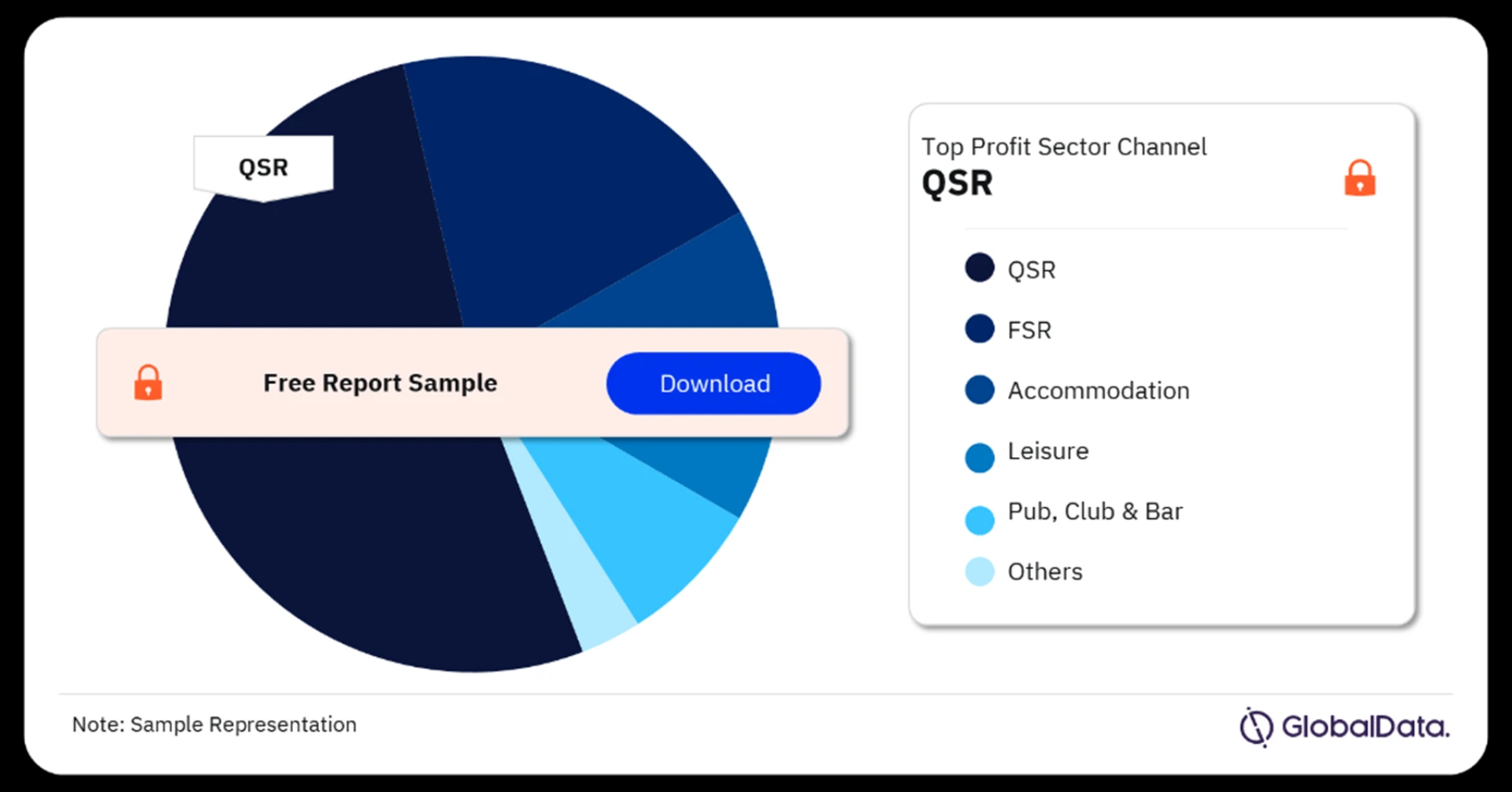

Mexico\'s foodservice market is a vibrant and dynamic industry that reflects the country\'s rich culinary heritage and diverse cultural influences. From traditional street vendors to upscale restaurants, Mexico offers a wide array of dining options that cater to both locals and tourists alike.
Historical Background
Early Influences
Mexico\'s culinary traditions date back thousands of years, with indigenous ingredients and cooking techniques laying the foundation for what would become modern Mexican cuisine. The influence of indigenous civilizations such as the Aztecs and Mayans can still be seen in dishes like tamales, mole, and pozole.
Evolution Over Time
Over the centuries, Mexico\'s culinary landscape has been shaped by colonization, trade, and immigration. Spanish conquest introduced new ingredients such as wheat, rice, and livestock, while African, Asian, and European immigrants brought their own culinary traditions, further enriching the country\'s food culture.
Current Landscape
Mexico\'s foodservice market is characterized by a mix of traditional eateries, street food vendors, and international chains. Key players in the industry include fast-food giants like McDonald\'s and KFC, as well as local chains like El Globo and Sanborns.
Market Trends
Recent years have seen a growing demand for healthier and more sustainable dining options, with consumers seeking out restaurants that prioritize locally sourced ingredients and organic produce. Additionally, there has been a rise in the popularity of fusion cuisine, blending traditional Mexican flavors with international influences.
Cuisine Diversity
Regional Varieties
Mexico\'s culinary landscape is incredibly diverse, with each region boasting its own unique flavors and specialties. From the spicy seafood dishes of the Yucatán Peninsula to the hearty stews of central Mexico, there is something to satisfy every palate.
Influences on Mexican Cuisine
Mexican cuisine has been shaped by a myriad of cultural influences, including Spanish, indigenous, African, and Asian. Ingredients such as corn, beans, and chili peppers are staples in Mexican cooking, while techniques like roasting, braising, and frying are common methods of preparation.
Key Drivers of Growth
Tourism
Mexico\'s thriving tourism industry plays a significant role in driving demand for foodservice establishments, with millions of visitors flocking to the country each year to sample its culinary delights. Popular tourist destinations like Cancún, Mexico City, and Oaxaca are known for their vibrant food scenes.
Economic Factors
The growing middle class in Mexico has led to an increase in disposable income and dining out habits, fueling the expansion of the foodservice market. Additionally, urbanization and changing lifestyles have contributed to the rise of convenience-oriented dining options such as food delivery and fast-casual chains.
Challenges Facing the Industry
Competition
The foodservice market in Mexico is highly competitive, with new restaurants opening and closing all the time. To succeed in this crowded marketplace, operators must differentiate themselves through unique offerings, quality service, and innovative marketing strategies.
Health and Nutrition Concerns
As awareness of health and nutrition grows, consumers are becoming more conscious of their dietary choices, favoring options that are fresh, nutritious, and ethically sourced. This presents a challenge for foodservice providers who must adapt to changing consumer preferences while maintaining profitability.
Technology Integration
Online Ordering
The rise of technology has revolutionized the way consumers interact with foodservice establishments, with many restaurants now offering online ordering and delivery services. This trend has been accelerated by the COVID-19 pandemic, which has led to an increased reliance on contactless dining options.
Delivery Services
Third-party delivery platforms like Uber Eats and Rappi have become increasingly popular in Mexico, offering consumers the convenience of having restaurant-quality meals delivered straight to their doorsteps. This has created new opportunities for foodservice providers to reach customers outside of their traditional brick-and-mortar locations.
Impact of COVID-19
Changes in Consumer Behavior
The COVID-19 pandemic has had a profound impact on the foodservice industry in Mexico, forcing many restaurants to close their doors or pivot to delivery and takeout models. Consumers have become more cautious about dining out, opting instead for home-cooked meals or ordering from trusted establishments.
Adaptation by Foodservice Providers
In response to the challenges posed by the pandemic, many foodservice providers have implemented strict hygiene protocols, expanded their outdoor dining options, and invested in technology to facilitate contactless ordering and payment. While the road to recovery may be long, the industry remains resilient and adaptable.
Government Regulations
Food Safety Standards
The Mexican government has implemented stringent food safety standards to ensure the health and well-being of consumers. This includes regulations governing food handling, storage, and preparation, as well as inspections and certifications to maintain quality and hygiene standards.
Policies Affecting the Market
In addition to food safety regulations, the government plays a significant role in shaping the foodservice market through policies related to taxation, labor, and trade. Changes in legislation can have far-reaching implications for industry stakeholders, influencing everything from menu pricing to supply chain management.
Future Outlook
Despite the challenges posed by the COVID-19 pandemic and economic uncertainty, the future looks bright for Mexico\'s foodservice market. As consumer confidence rebounds and travel restrictions ease, the industry is expected to experience a resurgence, driven by pent-up demand and continued innovation.
Conclusion
In conclusion, Mexico\'s foodservice market is a dynamic and evolving industry that reflects the country\'s rich culinary heritage and diverse cultural influences. From traditional street vendors to upscale restaurants, there is something to satisfy every palate in this vibrant and flavorful country.
Buy the Full Report for More Insights on the Mexico Foodservice Market Forecast, Download A Free Sample Report










Sign in to leave a comment.