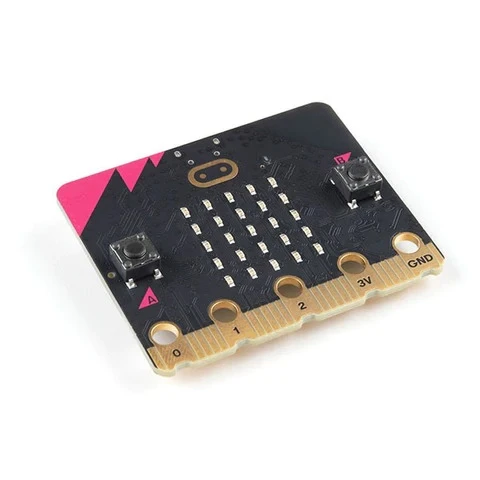

In the digital age, where screens dominate our attention, educators and parents are constantly seeking ways to make learning both fun and educational. Enter Microbit games – a powerful tool that not only captivates young minds but also nurtures critical skills such as problem-solving, creativity, and logical thinking. In this article, we'll delve into the world of Micro:bit games and how they're revolutionizing the way children learn through interactive play.
The Magic of Microbit Games
Microbit, a pocket-sized microcontroller, has become a beloved asset in the education landscape. Its user-friendly interface and versatile features make it an ideal platform for introducing kids to coding and electronics. One of the most compelling aspects of Microbit is its ability to transform abstract concepts into tangible, interactive experiences through games.
Why Choose Microbit for Games?
Accessible Coding: Microbit's coding environment is tailored for beginners, utilizing a block-based programming language that simplifies coding concepts. This allows children as young as 8 to grasp coding fundamentals without feeling overwhelmed.
Instant Gratification: Microbit's real-time interaction enables students to witness the immediate outcomes of their coding decisions. This instant feedback loop is a powerful motivator that keeps kids engaged and curious.
Hands-On Learning: Instead of passive screen time, Microbit games promote hands-on learning. Children physically interact with their creations, deepening their understanding of cause-and-effect relationships.
Collaboration and Problem-Solving: Many Microbit games encourage collaborative play, fostering teamwork and communication skills. As kids work together to achieve goals, they develop problem-solving strategies and learn from their peers.
Engaging Microbit Games to Explore
Reaction Time Game: Create a game where players have to press a button on the Microbit as quickly as possible when an LED blinks. This simple yet engaging game enhances reflexes and concentration.
Maze Adventure: Develop a maze-solving game where players navigate through a virtual maze displayed on the Microbit's LED grid. This game nurtures logical thinking and spatial reasoning.
Digital Pet: Design a virtual pet that responds to actions. Kids can code interactions like feeding, petting, and playing with their digital companion, fostering creativity and empathy.
Dice Simulator: Simulate rolling a dice on the Microbit's LED grid. This project combines probability concepts with coding, making learning math enjoyable.
Music Composer: Create a game where each button on the Microbit represents a musical note. Kids can compose tunes by coding a sequence of notes, merging music and coding skills.
Benefits of Microbit Games
Active Learning: Microbit games shift learning from passive consumption to active participation. Kids become creators, taking charge of their learning journey.
Engagement and Motivation: The excitement of playing games enhances motivation to explore coding. As children see their efforts manifest in playable games, they're motivated to delve deeper into programming.
Practical Application: Microbit games often mirror real-world scenarios, helping kids understand the practical applications of coding and problem-solving.
Iterative Learning: Debugging and refining code is an integral part of game development. This iterative process teaches kids persistence, adaptability, and the value of learning from mistakes.
Empowering Educators and Parents
Microbit games are not limited to classrooms; they extend into homes as well. Parents can actively participate in their child's learning by exploring coding and game development together. Microbit's affordability and accessibility make it an invaluable tool for fostering parent-child collaboration.
For educators, Microbit games open doors to innovative teaching methods. Games align with modern pedagogies, promoting active learning, collaboration, and the integration of technology across subjects.
Incorporating Microbit Games in Learning
Curriculum Integration: Microbit games seamlessly align with curriculum goals. Whether teaching math, science, or literacy, games add a hands-on dimension to learning.
Cross-Disciplinary Learning: Microbit games encourage interdisciplinary exploration. Combining coding with subjects like history or art can spark holistic learning experiences.
Project-Based Learning: Encourage students to design and develop their own Microbit games. This project-based approach fosters autonomy, creativity, and critical thinking.
Conclusion
Microbit games are transforming education by merging play and learning in an interactive, meaningful manner. As children engage with games, they've coded themselves, they're not just acquiring coding skills – they're honing cognitive abilities that serve them well beyond the digital realm. Microbit is nurturing a generation of problem-solvers, innovators, and lifelong learners, all while having a blast through interactive play. So, grab a Microbit, unleash your creativity, and embark on a journey where games become a gateway to a world of boundless learning possibilities.





















Sign in to leave a comment.