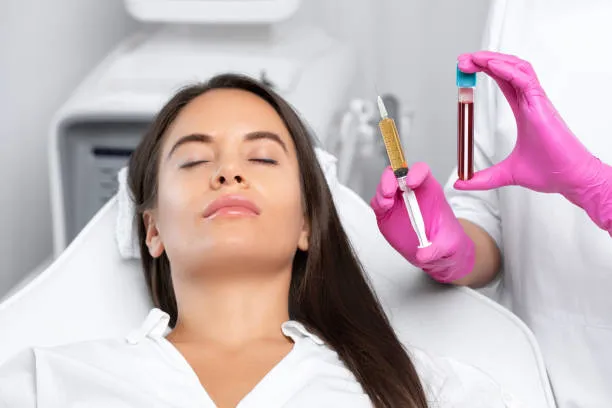

If you've spent any time researching microneedling with PRP for acne scars, you've probably noticed the internet is split into two camps. One says PRP is a game-changer. The other says it's an expensive add-on that doesn't do much beyond what microneedling already does on its own. Neither camp is entirely wrong, and that's the annoying part. After running hundreds of these treatments and watching patients come back for their follow-ups, I can tell you the honest answer depends almost entirely on what you're trying to fix.
Let's actually break this down instead of just picking a side.
What Microneedling Actually Does
Microneedling, on its own, is a controlled injury. That's it. You're using a device with tiny needles to puncture the top layers of skin in a grid pattern, hundreds of times per pass. The skin reads this as damage and kicks off a repair response — collagen gets laid down, elastin production ramps up, and over the following weeks the treated area starts to look tighter and smoother.
It's a solid treatment. Plenty of patients get real improvement from microneedling alone, especially for things like mild texture issues, enlarged pores, and early fine lines. The needles do the heavy lifting here, not any product applied afterward.
Where it starts to fall short is with deeper problems. Think atrophic acne scars — the pitted, indented kind that sit below the surface of the skin. Those need more than a surface-level wound response. They need the body's repair machinery working harder and more efficiently than a standard microneedling session tends to trigger on its own.
What PRP Adds to the Equation
PRP stands for platelet-rich plasma. You draw a small amount of the patient's own blood, spin it in a centrifuge, and separate out the platelet-concentrated layer. That layer is loaded with growth factors — the same signaling molecules your body naturally uses to heal wounds, just in a much higher concentration than what's normally circulating in your blood.
When you apply PRP right after microneedling, it gets driven into those fresh microchannels the needles just created. So instead of the skin healing on its own timeline with its own resources, it's healing with a concentrated dose of its own regenerative signals sitting right there in the tissue. That's the entire logic behind the treatment, and honestly, it makes biological sense. You're not adding anything foreign. You're just concentrating what's already there and putting it exactly where the skin needs it most.
This is also why patients tend to ask if PRP microneedling is worth it specifically for scarring rather than general skin quality — and that distinction matters more than most marketing pages let on.
Where the Evidence Actually Points
I'm not going to sit here and tell you every study on this is perfect, because that's not true of most aesthetic medicine research. But there's a reasonable amount of data specifically on microneedling with PRP for acne scars, and it's more consistent than what you'll find for a lot of other combination treatments.
One trial comparing microneedling with distilled water against microneedling with PRP found scar improvement of roughly 46% in the water group versus 62% in the PRP group. That's not a marginal difference — that's a meaningful jump. A separate meta-analysis pooling 14 different studies found that adding PRP significantly increased the odds of patients seeing substantial clinical improvement, with an odds ratio close to 3 compared to microneedling alone.
For general aging skin without much scarring, the picture gets murkier. The improvement is still there, but it's smaller and harder to isolate from what microneedling alone already provides. If someone comes in wanting a light refresh — a bit more glow, slightly tighter pores, nothing structural going on — PRP is a nice-to-have, not a must-have. The clearest wins show up in tissue that actually needs repairing, not tissue that just needs a refresh.
That's the honest split. Scarring: strong case. General anti-aging: modest case.
Downtime and What to Actually Expect
Neither version of this treatment knocks you out for a week, which is part of why it's popular. With standard microneedling, expect redness for a day or two, similar to a moderate sunburn. Add PRP and you might see slightly more visible swelling or a deeper flush immediately after, since there's more fluid and growth factor activity happening at the injection sites. Some patients describe their skin looking almost "juicy" or plumped for the first 24 hours — that's the PRP doing its job, not a bad reaction.
Results don't show up overnight with either version. Collagen production is a slow process. Most people start noticing changes around the two to three week mark, with more visible improvement by week four to six. For acne scarring specifically, the full effect can take several months to fully develop, since deep tissue remodeling isn't something that happens on a facial's timeline. If you're looking at PRP microneedling before and after photos online, keep in mind the "after" shot is usually taken months out, not days.
Most practitioners recommend a series — typically three to six sessions spaced four to six weeks apart — rather than a single treatment. One session with PRP is not going to erase years of acne scarring, and any clinic promising that with one visit is overselling it.
Who Should Actually Consider the PRP Upgrade
Here's where I'll give you my actual opinion, not just the research summary.
If you're dealing with real atrophic scarring — the kind you can see a shadow in under certain lighting, or feel with your fingertip when you run it across your cheek — the PRP add-on is worth the extra cost. The data backs it up, and so does what I've seen clinically. Faster healing, better collagen quality, and generally fewer touch-up sessions needed to get to a result you're happy with.
If your main concern is just general aging some fine lines, slightly duller skin, nothing structural — you can get most of the benefit from microneedling alone. Save the extra money, or put it toward a few additional sessions of standard microneedling instead of fewer sessions with PRP. The math often works out about the same.
There's also a practical side nobody talks about enough: PRP requires a blood draw and processing time, which extends your appointment and, depending on the clinic, adds real cost — often anywhere from $150 to $500 more per session on top of standard microneedling pricing. That's not a small consideration if you're planning a series of treatments rather than a single visit.
A Quick Note on Candidacy
Not everyone is a great candidate for PRP, even if they'd benefit from it in theory. Anyone with certain blood disorders, active skin infections in the treatment area, or who is pregnant typically shouldn't move forward with it. This is also technique-sensitive — a rushed or inexperienced provider can leave you with uneven results regardless of whether PRP is involved. If you're shopping around, ask how many PRP microneedling sessions the provider has actually performed, not just how long they've offered the service.
The Bottom Line
Microneedling with PRP isn't a scam, and it isn't magic either. It's a legitimate upgrade with real evidence behind it, but that evidence is strongest for one specific use case: acne scarring, particularly the atrophic type. For general skin aging and light texture concerns, standard microneedling can get you most of the way there on its own, and the PRP add-on becomes more of a personal preference than a clinical necessity.
If scarring is your main concern, don't skip the PRP. If it's just general glow and mild aging, don't feel like you're missing out by skipping it either. Talk to your provider about what your skin actually needs before you commit to the pricier version — that conversation matters more than any single treatment decision.
Frequently Asked Questions
Is PRP microneedling worth it for acne scars?
For atrophic acne scars specifically, yes — research shows PRP added to microneedling produces meaningfully better scar improvement than microneedling alone, with one trial showing roughly 62% improvement versus 46% for microneedling without PRP. The benefit is strongest for deeper, pitted scarring rather than mild texture concerns.
How is microneedling with PRP different from microneedling alone?
Standard microneedling relies solely on the skin's natural healing response to needle-induced micro-injuries. Adding PRP introduces a concentrated dose of the patient's own growth factors directly into those microchannels, which can speed healing and produce a stronger collagen response, particularly in scarred or damaged tissue.
How many sessions of PRP microneedling are needed to see results?
Most providers recommend three to six sessions spaced four to six weeks apart. Initial changes are often visible within two to three weeks of a session, but acne scar improvement can continue developing for several months as deeper collagen remodeling takes place.
Does microneedling with PRP hurt more than regular microneedling?
The needling sensation itself is similar between the two, and topical numbing is typically used either way. Some patients report slightly more swelling or a deeper flush after PRP is added, but this usually settles within a day or two and isn't reported as more painful.
Is microneedling with PRP good for aging skin, or just acne scars?
It can help with aging skin, but the improvement tends to be more modest than what's seen with scarring. PRP shows its clearest benefit in skin that needs actual tissue repair. For general fine lines and mild texture without scarring, standard microneedling alone often delivers comparable results.
How long do PRP microneedling results last?
Results build gradually and can continue improving for several months after a treatment series, with effects generally holding for a year or more depending on skin condition, age, and lifestyle factors like sun exposure. Periodic maintenance sessions are commonly recommended to sustain results over time.


























Sign in to leave a comment.