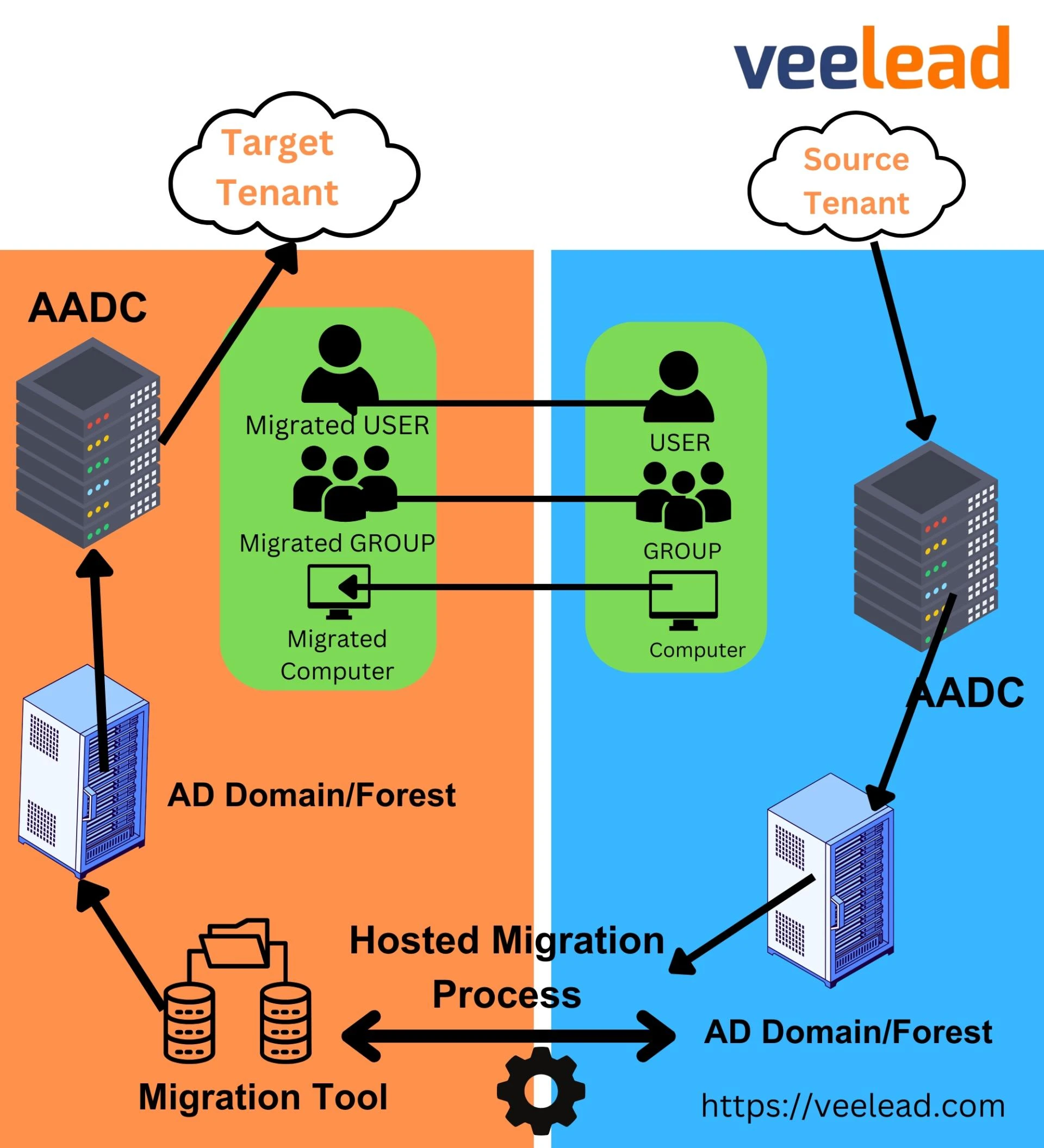

Migrating to a new Microsoft 365 tenant offers many benefits but can be a complex process. Without proper planning, businesses can face issues like data loss, security gaps, and downtime. To help ensure a smooth Microsoft 365 Tenant-to-Tenant Migration, here are five common mistakes to avoid:
1. Underestimating Migration Complexity
A Microsoft 365 Tenant-to-Tenant Migration involves more than just moving data. You also need to migrate user accounts, permissions, email settings, and collaboration tools like Teams and SharePoint. Failing to fully assess the current environment can lead to unexpected challenges and delays. Careful planning and mapping out all dependencies are essential for a successful migration.
2. Not Backing Up Data
Data loss is a major concern during migration. Always back up your critical files, emails, and other important information before starting the transfer. While migration tools are helpful, they’re not foolproof, so having a backup ensures you can recover data if something goes wrong.
3. Overlooking User and License Management
User accounts and licenses must be properly managed during the migration. Mistakes here—such as forgetting to reassign licenses or misconfiguring user roles—can disrupt access to key services. Make sure all users have the appropriate permissions and licenses in the new tenant, and verify that security settings like MFA are re-established.
4. Not Planning for Email and Collaboration Tools
Email and collaboration tools like Outlook, Teams, and SharePoint are vital to business operations. Migrating these services without proper planning can lead to lost messages or broken workflows. Test email configurations and ensure that all data, user settings, and permissions are correctly transferred to avoid post-migration issues.
5. Lack of Communication with Stakeholders
Failing to communicate migration plans with stakeholders—including employees and IT teams—can create confusion. Make sure everyone knows the timeline, any expected downtime, and how they will be affected. Providing training on any new features or changes can also ease the transition and reduce resistance.
Conclusion
A Microsoft 365 Tenant-to-Tenant Migration can be a smooth process if you avoid these common mistakes. With careful planning, data backups, and effective communication, you can ensure a seamless transition to the new tenant without disrupting business operations.




























Sign in to leave a comment.