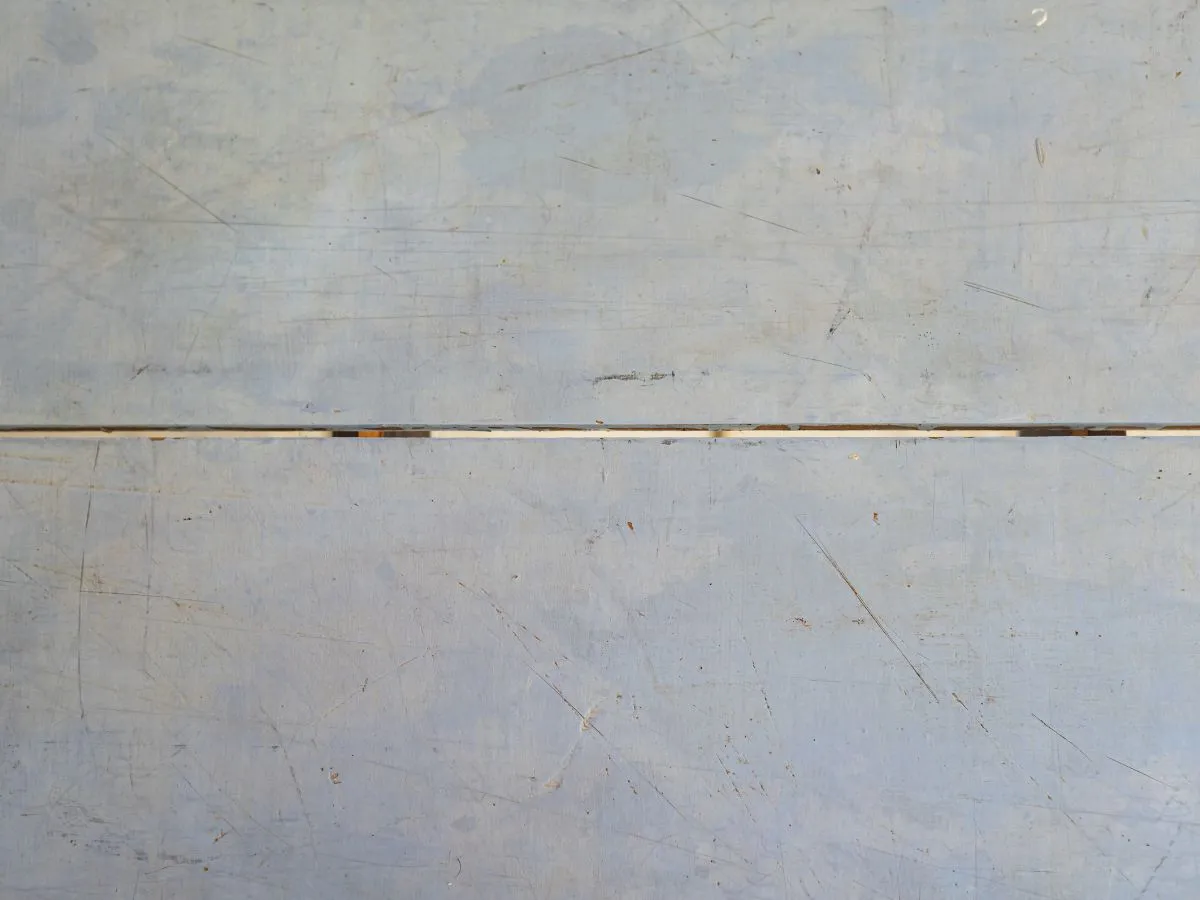

Mild steel sheet plate is one of the most widely used steel products across construction, fabrication, manufacturing, engineering, and general industrial applications. Its combination of strength, affordability, work ability, and versatility makes it suitable for projects that require reliable metal components without the higher cost of specialized steel grades.
However, choosing the right mild steel sheet plate involves more than selecting a piece of metal that fits a project. Factors such as steel grade, thickness, dimensions, surface finish, fabrication requirements, and intended application can all affect performance. Understanding these factors can help buyers select the appropriate material while reducing waste and unnecessary costs.
What Is Mild Steel Sheet Plate?
Mild steel is a low-carbon steel that generally contains a relatively small amount of carbon compared with higher-carbon steel. This composition makes it easier to cut, drill, bend, form, and weld.
The terms "sheet" and "plate" are commonly used to describe flat steel products, although the distinction can depend on thickness and industry standards. Thinner material is generally referred to as sheet, while thicker material is often called plate.
A mild steel sheet plate can be supplied in different thicknesses and sizes to suit various fabrication and structural requirements. Its versatility makes it a practical choice for both simple components and more demanding industrial projects.
Understanding Mild Steel Grades
Steel grade is an important consideration because different grades can offer different levels of strength, formability, weldability, and suitability for specific applications.
Common mild steel grades include structural grades such as Grade 250, which are widely used where dependable strength is required. Other grades may be selected according to fabrication methods, dimensional requirements, or relevant Australian and international standards.
When choosing a grade, buyers should consider how the material will be used rather than focusing only on its strength rating. For example, a project involving extensive welding or bending may have different requirements from one involving a straightforward structural component.
It is also important to confirm the applicable material standard and certification requirements when steel is being used for regulated, structural, or engineered applications.
Why Thickness Matters
The thickness of a mild steel sheet plate can significantly influence its strength, weight, rigidity, and suitability for an application.
Thinner steel can be useful for applications where reduced weight and easier fabrication are priorities. Thicker plates, on the other hand, can provide greater rigidity and load-bearing capability when used appropriately in structural or heavy-duty applications.
Thickness should therefore be selected based on factors such as:
- Expected loads and stresses
- Required rigidity
- Overall dimensions of the component
- Welding and fabrication methods
- Weight limitations
- Installation requirements
- Applicable engineering specifications
Choosing a plate simply because it is thicker is not always the best solution. Excess material can increase project weight and cost without providing a meaningful benefit. The correct thickness should match the engineering and practical requirements of the job.
Common Uses of Mild Steel Sheet Plate
Mild steel sheet plate is used across a wide range of industries because it can be fabricated into many different shapes and components.
Construction
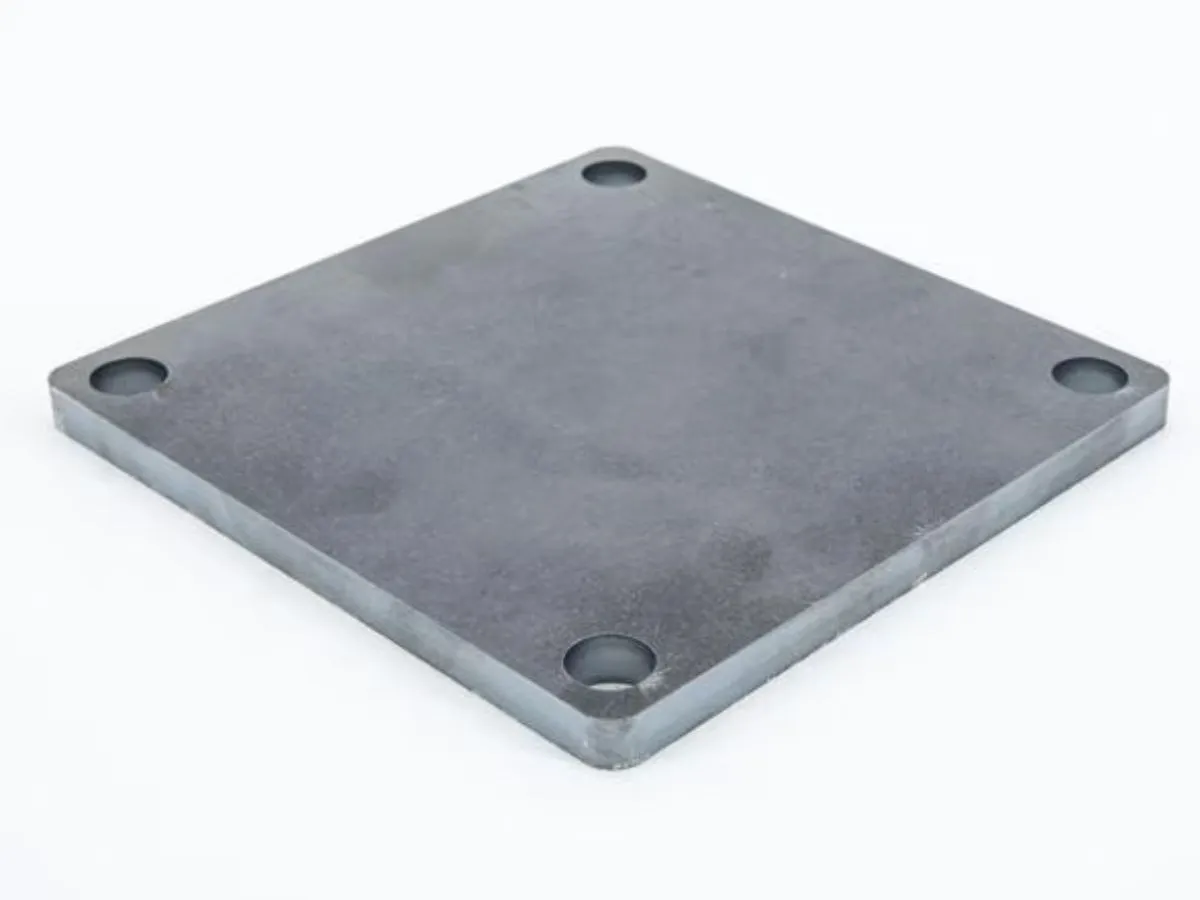
In construction, mild steel can be used for brackets, support components, base plates, frames, covers, structural elements, and fabricated assemblies. Its strength and weldability make it particularly useful for projects requiring customised metalwork.
Manufacturing
Manufacturers use mild steel sheet plate to produce machinery components, enclosures, panels, frames, guards, and equipment parts. The material can be cut and formed to meet specific production requirements.
Engineering and Fabrication
Steel fabricators frequently work with mild steel because it can be cut, drilled, welded, bent, and machined using commonly available equipment. This makes it suitable for customised fabrication and repair work.
Industrial Applications
Industrial environments may require steel components for platforms, machinery supports, protective covers, brackets, frames, and other fabricated structures. The appropriate grade and thickness should always be selected according to the operating conditions and engineering requirements.
General DIY and Workshop Projects
Mild steel sheet plate can also be useful for workshops and DIY projects. It can be fabricated into workbench components, mounting plates, brackets, shelves, equipment supports, and custom metal parts.
Benefits of Mild Steel Sheet Plate
One of the main advantages of mild steel is its balance between performance and cost. Compared with many specialised steel materials, mild steel can provide a practical solution for projects where extreme corrosion resistance or very high alloy performance is not required.
Key benefits include:
Good weldability: Low-carbon steel is generally straightforward to weld when appropriate procedures are followed.
Easy fabrication: It can be cut, drilled, formed, bent, and machined for many applications.
Versatility: It is suitable for construction, manufacturing, engineering, workshops, and general fabrication.
Cost effectiveness: Mild steel is often a practical choice for projects where budget and material availability are important.
Reliable strength: Appropriate grades can provide the strength and durability required for many structural and fabricated applications.
How to Choose the Right Mild Steel Sheet Plate
Before purchasing, identify the exact requirements of your project. Start by determining the required dimensions and thickness. Then consider the appropriate steel grade based on strength, fabrication, and application requirements.
You should also check whether the steel needs to be cut to a specific size. For fabrication projects, accurate dimensions can reduce material waste and minimise additional preparation work.
Surface condition is another factor. Depending on the application, you may require a particular finish or additional treatment to improve appearance or resistance to environmental exposure.
If the material will be exposed to moisture or corrosive conditions, consider whether protective coatings, painting, galvanising, or another corrosion-control method is appropriate.
Finally, purchase from a reliable steel supplier that can provide accurate product specifications and consistent material quality.
Get Quality Steel for Your Project
Selecting the right mild steel sheet plate can make a significant difference to the efficiency, durability, and overall cost of a fabrication or construction project. By considering the grade, thickness, dimensions, application, and finishing requirements before purchasing, you can choose steel that is better suited to the job.
For businesses, fabricators, tradespeople, and project owners looking for practical steel solutions, Ezy Steel provides a range of steel products designed to support different construction, fabrication, and industrial requirements. Reviewing the material specifications and understanding your project's needs can help ensure you select the right steel product from the beginning.


























Sign in to leave a comment.