
Introduction
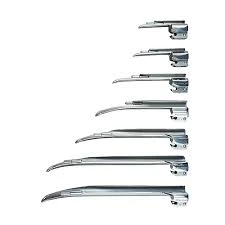
Miller laryngoscope blades are a crucial tool in airway management and intubation. Named after Robert A. Miller, who designed the blade in 1941, they are widely used in medical procedures requiring direct laryngoscopy. These blades are especially beneficial for neonates and patients with difficult airways.
What is a Miller Laryngoscope Blade?
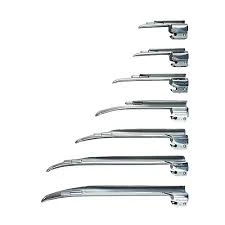
A Miller laryngoscope blade is a straight Miller laryngoscope blades blade designed to provide a clear view of the vocal cords during intubation. Unlike curved blades, such as the Macintosh blade, the Miller blade lifts the epiglottis directly, allowing healthcare professionals to visualize the glottis easily.
Why is the Miller Blade Preferred for Certain Patients?
The Miller blade is commonly used for:
- Neonates and Infants: Due to their anatomy, neonates have a relatively larger epiglottis, which makes the Miller blade more effective in lifting it.
- Difficult Airway Cases: The blade's straight design allows for better control and visibility.
- Patients with Limited Neck Mobility: It provides direct access without requiring significant head extension.
Key Features of Miller Laryngoscope Blades
- Straight Design – Offers better control and visibility during intubation.
- Variety of Sizes – Available in multiple sizes (0-4) to accommodate different patient needs.
- High-Quality Materials – Made from stainless steel or plastic for durability and sterility.
- Fiber Optic and Conventional Options – Provides enhanced illumination with fiber-optic technology.
- Reusable and Disposable Variants – Ensures hygiene and flexibility in medical settings.
Differences Between Miller and Macintosh Blades
FeatureMiller BladeMacintosh BladeShapeStraightCurvedEpiglottis ManipulationDirectly liftsIndirectly liftsBest ForNeonates, difficult airwaysAdults, routine intubationsField of VisionMore directWider field
Benefits of Using Miller Laryngoscope Blades
- Precision in Neonatal Intubation: Ensures accurate placement of the endotracheal tube.
- Reduced Soft Tissue Compression: Minimizes trauma to surrounding structures.
- Enhanced Visibility: Offers a direct line of sight to the vocal cords.
- Better Control in Difficult Cases: Useful for challenging airway management situations.
Who Uses Miller Laryngoscope Blades?
- Anesthesiologists – For airway management during surgeries.
- Emergency Physicians – In critical care and trauma settings.
- Pediatricians – For neonatal and pediatric intubations.
- Paramedics – During pre-hospital emergency airway interventions.
How to Choose the Right Miller Blade
- Consider the Patient’s Age and Size: Smaller blades (Size 0-1) for infants; larger blades (Size 2-4) for adults.
- Material Preference: Stainless steel for durability, plastic for single-use hygiene.
- Light Source Type: Fiber-optic for better illumination or conventional for cost-effectiveness.
- Reusable vs. Disposable: Choose based on infection control policies and budget.
Proper Technique for Using a Miller Blade
- Prepare Equipment – Check blade attachment, light source, and endotracheal tube.
- Position the Patient – Align the airway for optimal visualization.
- Insert the Blade Midline – Advance the blade carefully while keeping the tongue displaced.
- Lift the Epiglottis – Use the blade to directly elevate the epiglottis for a clear view.
- Insert the Endotracheal Tube – Guide the tube through the vocal cords and secure it.
Common Challenges and Solutions
ChallengeSolutionPoor VisibilityAdjust patient positioning and blade angleDifficult Epiglottis ElevationEnsure correct blade size and techniqueLight MalfunctionUse fiber-optic blades for better illumination
Advances in Miller Laryngoscope Technology
- LED Illumination – Provides brighter and longer-lasting light.
- Single-Use Blades – Reduces the risk of cross-contamination.
- Ergonomic Handles – Improves grip and maneuverability.
- Video Laryngoscopy Integration – Allows real-time video guidance for better accuracy.
Maintenance and Sterilization of Reusable Blades
- Cleaning: Remove debris with warm water and enzymatic cleaner.
- Disinfection: Use hospital-approved disinfectants.
- Sterilization: Follow autoclaving protocols for metal blades.
- Storage: Keep in a dry, sterile environment to prevent contamination.
Conclusion
Miller laryngoscope blades are an essential tool in airway management, particularly for neonates and patients with difficult airways. Their straight design, precision, and variety of sizes make them indispensable in medical settings. With advancements in materials and technology, Miller blades continue to evolve, offering improved safety and efficiency in intubation procedures.
FAQs
Why is the Miller blade better for neonates?
It provides direct epiglottis lifting, which is crucial for small airways.
What is the main difference between Miller and Macintosh blades?
Miller blades are straight and lift the epiglottis directly, while Macintosh blades are curved and indirectly elevate it.
Can Miller blades be reused?
Yes, stainless steel versions are reusable with proper sterilization, while plastic ones are disposable.
Is the Miller blade harder to use than the Macintosh blade?
It requires precise technique but offers better control in specific cases.
What size Miller blade is used for infants?
Typically, sizes 0 or 1 are used for neonates and infants.




























Sign in to leave a comment.