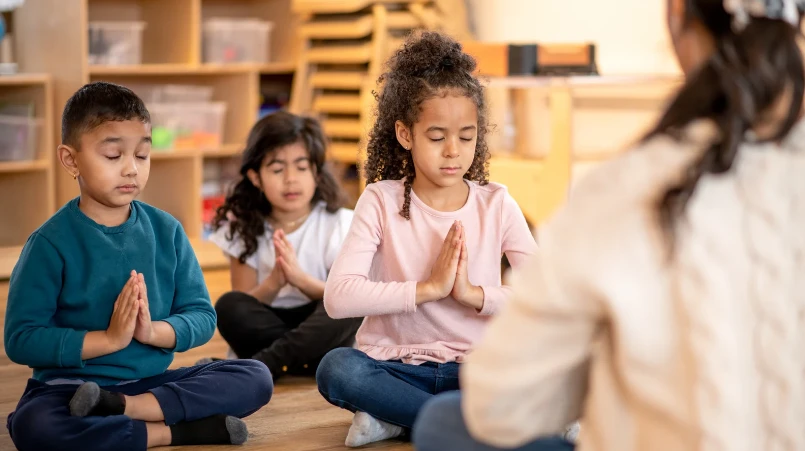

In today’s fast-paced world, children are often exposed to a variety of stressors and distractions that can impact their emotional and mental well-being. Introducing Mindfulness for Kids can be a powerful tool to help them stay grounded and focused in the present moment. By practicing mindfulness, children can develop better emotional regulation, enhance their ability to focus, and reduce stress. These skills not only support their well-being but also help them navigate social interactions and challenges more effectively. This article explores the importance of mindfulness for kids and offers fun, engaging activities to help them incorporate mindfulness into their daily lives.
What is Mindfulness for Kids?
Mindfulness is the practice of paying full attention to the present moment without judgment. For children, this means being aware of their thoughts, feelings, and surroundings in a calm and focused way. Instead of worrying about the past or future, mindfulness helps kids stay engaged with what’s happening right now. By practicing mindfulness, children can develop greater awareness and control over their emotions, reactions, and behaviors.
While mindfulness benefits adults and kids, the approach can differ based on developmental needs. Here’s how mindfulness for kids differs from mindfulness for adults:
- Shorter sessions: Children have shorter attention spans, so mindfulness exercises are usually brief and engaging.
- More play-based: Mindfulness for kids often includes fun, interactive activities like breathing games, coloring, or guided storytelling to keep their attention.
- Emphasis on emotions: For children, mindfulness often focuses more on recognizing and naming emotions in simple terms, helping them understand how they feel.
- Simplified language: Instructions for kids are often more straightforward, using language that is easy to understand and follow.
Why is Mindfulness Important for Children?
Mindfulness plays a significant role in helping children manage their thoughts, emotions, and behaviors in a healthy way. It allows them to slow down, become more self-aware, and handle challenges with greater ease. By practicing mindfulness, children can enhance their ability to focus, regulate their emotions, and improve their relationships. Overall, this practice contributes to their cognitive, emotional, and social development, setting them up for success both now and in the future.
- Improved Focus and Concentration: When children learn to stay present in the moment, they become better at concentrating on the task at hand. Whether paying attention in class or completing homework, mindfulness helps them tune out distractions and stay focused longer.
- Reduced Anxiety and Stress: Taking a moment to breathe and center themselves can help children manage feelings of anxiety and stress. By practicing mindfulness, they learn to recognize early signs of stress and use calming techniques to stay grounded in challenging situations.
- Better Emotional Regulation: Mindfulness helps children become more in tune with their emotions, allowing them to pause before reacting. This increased emotional awareness enables them to make better choices in moments of frustration, anger, or excitement, leading to healthier emotional responses.
- Improved Social Skills and Relationships: Being mindful in interactions with others helps children listen more attentively and respond with empathy. This strengthens their relationships with peers and adults, fostering kindness and reducing conflicts in social settings.
- Enhanced Self-Awareness and Confidence: Mindfulness encourages children to reflect on their thoughts and behaviors, leading to greater self-understanding. As they become more self-aware, they develop stronger confidence and a positive self-image.
- Promotes Overall Well-being: Incorporating mindfulness into daily routines promotes emotional balance and mental clarity. This holistic approach helps children navigate life with a sense of calm and resilience, supporting their overall happiness and well-being.
V. Mindfulness Activities for Kids
Introducing mindfulness to children through fun, engaging activities is a wonderful way to help them develop self-awareness and emotional regulation. These activities are designed to be simple, interactive, and enjoyable so kids can practice mindfulness in a way that feels natural and accessible. Below are some effective mindfulness activities that you can try with your child:
1. Breathing Exercises: “Smell the Flower, Blow Out the Candle”
Breathing exercises are one of the easiest ways to help children calm their minds and bodies. This particular exercise is fun and easy for younger children to grasp.
Steps:
- Ask your child to sit comfortably on the floor or in a chair.
- Tell them to imagine they are holding a beautiful flower in front of their nose.
- Instruct them to take a deep breath through their nose, like they are smelling the flower.
- Then, have them blow out slowly as if blowing out a candle, releasing all the air.
- Repeat the process 3-5 times, focusing on breathing and the sensation of the air moving in and out.
2. Mindful Coloring or Drawing
Mindful coloring or drawing helps children focus on the present moment and relax while engaging in a creative activity.
Steps:
- Provide your child with coloring sheets or blank paper and crayons or markers.
- Encourage them to pick a color and slowly begin coloring in a way that feels calming to them.
- While they color, remind them to focus on the colors, shapes, and how the crayons or markers feel in their hand.
- Ask them to notice any thoughts or feelings while colouring, but gently return to the task at hand if they become distracted.
- After finishing, you can invite your child to share what they noticed or how they felt during the activity.
3. Body Scan Meditation
A body scan is a great activity for helping children become aware of different parts of their body and how they feel.
Steps:
- Ask your child to lie comfortably on a soft surface, like a rug or bed.
- Gently guide them to focus on their toes and ask them to take a deep breath while noticing how their toes feel.
- Slowly guide their attention through the body—feet, legs, hips, belly, chest, arms, hands, and head—encouraging them to notice any sensations in each area.
- If they feel any tension, encourage them to breathe out and imagine the tension melting away.
- Finish with a few deep breaths and allow them to relax fully.
4. Guided Visualization Exercises
Visualization can help children calm their minds by imagining a peaceful, calming place. This activity encourages creativity while promoting relaxation.
Steps:
- Ask your child to sit or lie down comfortably, closing their eyes.
- Guide them through a calming scene, such as imagining them at the beach, sitting under a big tree, or walking through a peaceful garden.
- Ask them to focus on the details—what they see, hear, smell, and feel in this special place.
- Encourage them to take deep breaths and feel the peace of the place filling their mind and body.
- After a few minutes, gently bring them back to the present moment, asking them how they feel.
5. Listening to Calming Sounds or Nature Sounds
Listening to soothing sounds, such as nature noises, helps children become more aware of what they are hearing and promotes mindfulness through sound.
Steps:
- Find a peaceful environment and play calming music, nature sounds, or recordings of rain, waves, or birds chirping.
- Ask your child to sit quietly and close their eyes if they’re comfortable doing so.
- Instruct them to focus only on the sounds they hear, noticing every detail—how the sounds come and go, how they feel, and how they might affect their mood.
- After a few minutes, ask them to share what they noticed about the sounds.
Mindful eating encourages children to slow down and focus on their food's flavors, textures, and sensations, promoting awareness and a positive relationship with eating.
Steps:
- Choose a small piece of food, such as a raisin, apple slice, or chocolate, and give it to your child.
- Ask them to look at the food carefully—how does it look, smell, and feel in their hands?
- Instruct them to take a small bite, slowly chewing while paying attention to the taste, texture, and how it feels in their mouth.
- Encourage kids to eat without distractions (e.g., no TV or devices) and notice how the food changes as they continue to eat.
- After finishing, ask them how the experience felt and if they noticed anything new about their food.
VI. How Can Parents Model Mindfulness for Their Kids?
Parents can greatly influence their children's mindfulness by practicing it themselves. Kids often imitate their parents’ behaviors, so when parents stay calm, manage stress, and practice present-moment awareness, they teach their children these important skills. By modeling mindfulness in everyday situations, like taking a moment to breathe before reacting, parents show their children how to approach challenges with a calm mindset.
There are simple ways parents can integrate mindfulness into family life, such as mindful walking or deep breathing exercises together. Journaling or talking about feelings also encourages emotional awareness. By making mindfulness part of daily routines, parents create an environment where they and their children can thrive emotionally and mentally.
VII. What Are Some Challenges Parents Might Face with Mindfulness for Kids?
Introducing mindfulness to children can present challenges. Parents may encounter resistance, difficulty with focus, or impatience as kids adjust to the practice. However, understanding these challenges and finding ways to address them can help create a positive and lasting mindfulness routine.
- Difficulty Focusing: Children, especially younger ones, may struggle to stay focused during mindfulness exercises. Keeping activities short and fun can help them stay focused.
- Resistance to New Practices: Some kids might initially resist mindfulness because it feels unfamiliar or uncomfortable. Introducing it as a playful activity rather than a "task" can make it more engaging.
- Impatience: Children often expect quick results and might become frustrated if they don’t see immediate benefits. It’s important to manage expectations and emphasize the process rather than the outcome.
- Consistency is Key: Like any new habit, regular practice is essential. Small, consistent mindfulness activities can have a much bigger impact than sporadic, lengthy sessions.
- Making It Fun and Non-Pressured: Mindfulness should feel enjoyable, not like a chore. Encourage creativity and let kids explore mindfulness activities without pressure to “get it right.”
Embracing Mindfulness for a Calmer, Happier Childhood
Introducing mindfulness to kids offers numerous benefits, including improved emotional regulation, enhanced focus, and reduced anxiety. By making mindfulness a regular part of family life, parents can help their children build valuable life skills to support their well-being now and in the future. Starting small with simple activities can lead to lasting positive changes. Ultimately, practicing mindfulness together fosters a deeper connection between parents and children, while nurturing resilience and peace in everyday life.



























Sign in to leave a comment.