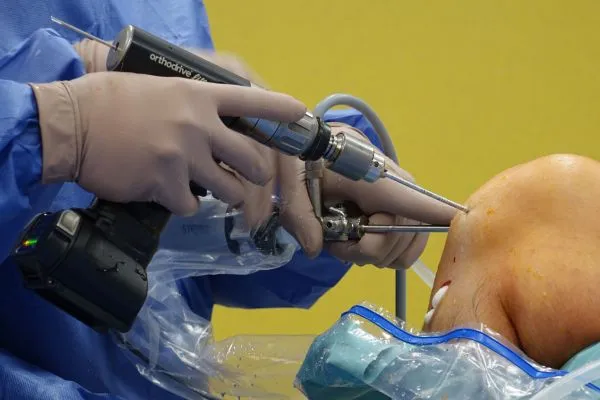

A bunion is more than a cosmetic concern—it is a progressive foot condition that can affect your comfort, mobility, and quality of life. As the deformity worsens, wearing shoes, walking long distances, and participating in daily activities may become increasingly painful. Fortunately, minimally invasive bunion surgery has transformed the way bunions are treated by offering an advanced surgical option with smaller incisions and quicker recovery compared to many traditional techniques.
This article explains how the procedure works, who may benefit from it, what recovery involves, and why consulting an experienced foot and ankle specialist is essential for achieving the best outcome.
Understanding a Bunion
A bunion, medically known as hallux valgus, develops when the joint at the base of the big toe gradually shifts out of alignment. Over time, the big toe leans toward the second toe while the joint protrudes outward, creating a noticeable bump.
Common symptoms include:
Pain around the base of the big toe
Swelling and redness
Difficulty fitting into regular shoes
Calluses between the toes
Reduced flexibility of the big toe
Foot fatigue after prolonged standing or walking
Although wider footwear and orthotics may relieve symptoms during the early stages, they cannot reverse the deformity. When pain becomes persistent, surgery may be recommended.
What Is Minimally Invasive Bunion Surgery?
Minimally invasive bunion surgery is an advanced surgical technique that corrects bunion deformities through very small incisions instead of a large open incision. Surgeons use specialised instruments and real-time imaging guidance to reshape and realign the bones with precision.
The objective is to restore proper alignment of the big toe while minimising damage to surrounding muscles, tendons, and soft tissues.
This approach has become increasingly popular because it combines effective correction with a less invasive surgical experience.
How the Procedure Works
Although the exact surgical technique depends on the severity of the bunion, the procedure generally involves:
Creating several small incisions around the bunion
Reshaping the prominent bone
Correcting the alignment of the first metatarsal
Stabilising the corrected position using surgical screws where necessary
Preserving surrounding soft tissues as much as possible
Many patients are able to begin protected weight-bearing shortly after surgery under their surgeon's guidance.
Who Is a Suitable Candidate?
Not every patient requires surgery, but minimally invasive bunion surgery may be suitable for individuals who:
Experience persistent bunion pain
Have difficulty wearing normal footwear
Notice worsening deformity over time
Have failed to improve with conservative treatment
Wish to return to daily activities with improved foot function
Your orthopaedic foot and ankle surgeon will assess several factors, including:
Severity of the deformity
Joint flexibility
Bone quality
Presence of arthritis
Overall health and activity level
A detailed clinical examination and X-rays help determine whether this surgical technique is appropriate.
Advantages of Minimally Invasive Bunion Surgery
The popularity of minimally invasive bunion surgery continues to grow because of its potential benefits.
Smaller Incisions
Tiny surgical openings generally result in less visible scarring compared with conventional open procedures.
Reduced Soft Tissue Trauma
Because surrounding tissues are disturbed less, patients may experience reduced swelling and postoperative discomfort.
Faster Recovery
Many patients can begin walking with protective footwear sooner than with some traditional surgical techniques, although recovery varies by individual.
Improved Cosmetic Appearance
Smaller scars and accurate correction often contribute to a more natural-looking foot after healing.
Better Foot Function
Realigning the joint can improve walking mechanics and reduce pressure on neighbouring toes.
Preparing for Surgery
Preparation helps support a smoother recovery. Before surgery, your surgeon may recommend:
Foot X-rays
Medical assessment
Blood investigations if required
Reviewing current medications
Arranging transportation after surgery
Preparing your home for limited mobility during the first few days
Following all preoperative instructions reduces the risk of complications.
Recovery After Minimally Invasive Bunion Surgery
Recovery occurs gradually and differs from one patient to another. Most patients progress through several stages.
First Two Weeks
Wear a protective postoperative shoe
Keep the foot elevated whenever possible
Control swelling with ice as advised
Attend scheduled follow-up appointments
Keep dressings clean and dry
Weeks Three to Six
Many patients gradually increase walking while continuing to protect the surgical site. Swelling continues to improve, although it has not completely resolved.
Six Weeks and Beyond
Depending on healing progress, patients may transition into supportive footwear and begin strengthening exercises if recommended by their surgeon.
Complete recovery and final results may continue developing over several months.
Expected Results
The primary goals of minimally invasive bunion surgery include:
Correcting the bunion deformity
Relieving chronic pain
Improving walking comfort
Restoring better toe alignment
Enhancing shoe fit
Reducing pressure on surrounding toes
Long-term success depends not only on the surgery itself but also on following postoperative instructions carefully.
Potential Risks
Like any surgical procedure, there are potential risks, including:
Infection
Delayed bone healing
Swelling
Temporary numbness
Recurrence of the bunion
Joint stiffness
Implant-related concerns in rare cases
Choosing an experienced foot and ankle surgeon and attending regular follow-up appointments help minimise these risks.
Tips for a Successful Recovery
Patients can support healing by:
Wearing recommended footwear
Avoiding high-impact activities too early
Elevating the foot regularly
Performing prescribed rehabilitation exercises
Maintaining a healthy body weight
Following all postoperative care instructions
Recovery is a gradual process, and patience plays an important role in achieving the best outcome.
Choosing the Right Specialist
Successful bunion correction depends on more than the surgical technique alone. Look for a surgeon who has extensive experience in treating foot deformities and offers personalised treatment planning.
A comprehensive evaluation ensures the chosen procedure matches the patient's anatomy, lifestyle, and long-term goals rather than applying a one-size-fits-all approach.
Conclusion
For individuals struggling with ongoing bunion pain, minimally invasive bunion surgery offers an innovative solution that focuses on precise correction while minimising tissue disruption. Smaller incisions, potentially faster recovery, and improved comfort have made this technique an attractive option for many patients.
The decision to undergo surgery should always follow a thorough assessment by a qualified foot and ankle specialist. With the right diagnosis, appropriate surgical planning, and careful rehabilitation, patients can regain mobility, improve foot function, and return to everyday activities with greater confidence and comfort.





























Sign in to leave a comment.