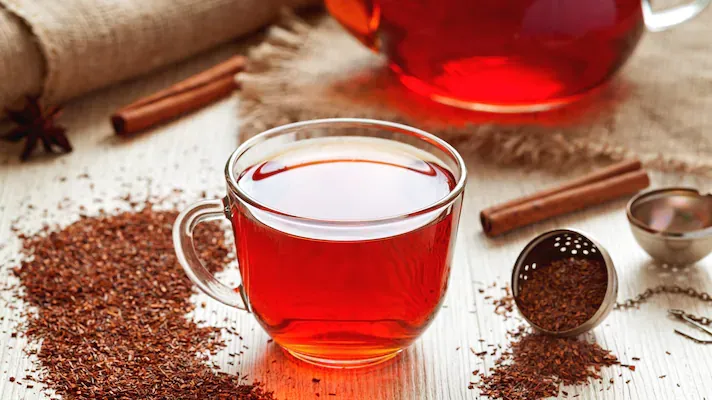

Herbal infusions have been used for centuries as natural remedies, soothing beverages, and daily wellness rituals. From calming chamomile to revitalizing peppermint and mineral-rich nettle, herbal infusions offer gentle yet powerful benefits. However, many people unknowingly make simple mistakes that reduce flavor, weaken potency, or even make their infusions unpleasant.
If you’ve ever wondered why your herbal tea tastes bland, bitter, or ineffective, the problem may not be the herbs themselves; it’s how they’re prepared. Understanding the most common mistakes that ruin herbal infusions can help you unlock their full potential and enjoy every cup as it was meant to be.
This guide explores the most frequent errors people make when preparing herbal infusions and provides clear, practical solutions to help you avoid them.
1. Using Poor-Quality or Old Herbs
One of the biggest mistakes that ruins herbal infusions is starting with low-quality or stale herbs. Herbs lose their essential oils and medicinal properties over time, especially when exposed to air, light, and moisture.
Dried herbs that are dull in color, lack aroma, or crumble into dust often produce weak and flavorless infusions. Fresh herbs that are wilted or improperly stored can also compromise the final result.
How to avoid it:
Always choose herbs that are vibrant, aromatic, and properly dried or freshly harvested. Store dried herbs in airtight containers away from heat and sunlight. Ideally, use dried herbs within one year and fresh herbs within a few days of harvesting for the best flavor and potency.
2. Using the Wrong Water Temperature
Water temperature plays a crucial role in extracting beneficial compounds from herbs. Many people assume boiling water is always best, but this is not true for all plants.
Delicate herbs such as chamomile, lemon balm, or lavender can lose their subtle flavors and therapeutic properties when exposed to boiling water. On the other hand, tougher herbs like roots, bark, and seeds may require higher heat to release their active compounds.
How to avoid it: Use hot but not boiling water for delicate leaves and flowers. Let boiling water cool slightly before pouring it over sensitive herbs. Reserve boiling water or simmering methods for dense plant materials such as ginger, turmeric, cinnamon, or burdock root.
3. Steeping for Too Long or Too Short a Time
Steeping time directly affects both taste and effectiveness. Many herbal infusions fail because they are steeped for only a few minutes, which is often insufficient for full extraction. Others are steeped too long, resulting in bitterness or overpowering flavors.
Unlike traditional tea, many herbal infusions require longer steeping times to release their beneficial compounds fully.
How to avoid it:
Follow appropriate steeping guidelines. Most leafy herbs benefit from steeping for 10–15 minutes, while roots and seeds may require 20–30 minutes or longer. Cover the cup while steeping to prevent valuable volatile oils from escaping.
4. Not Using the Right Herb-to-Water Ratio
Another common mistake is using too little herb for too much water. This leads to watery, ineffective infusions that lack flavor and health benefits.
Herbal infusions rely on proper ratios to extract sufficient nutrients, minerals, and plant compounds. Guessing amounts often results in inconsistent results.
How to avoid it:
As a general rule, use one to two teaspoons of dried herbs or one to two tablespoons of fresh herbs per cup of water. For stronger infusions, especially mineral-rich herbs like nettle or oat straw, larger quantities may be needed.
5. Leaving the Infusion Uncovered While Steeping
Many people leave their herbal infusions uncovered, unaware that this allows essential oils to evaporate. These oils contain many of the aroma and therapeutic qualities that make herbal infusions effective.
This mistake is especially damaging when working with fragrant herbs such as peppermint, thyme, or rosemary.
How to avoid it:
Always cover your cup, teapot, or jar while the herbs are steeping. A simple lid or saucer helps trap heat and preserve the valuable oils released during infusion.
6. Using Chlorinated or Poor-Quality Water
Even the best herbs cannot overcome the effects of poor-quality water. Chlorine, impurities, and strong mineral flavors can interfere with both taste and extraction.
Tap water with heavy treatment chemicals often results in flat or unpleasant-tasting infusions.
How to avoid it:
Use filtered or spring water whenever possible. Clean, fresh-tasting water allows the natural flavor and properties of the herbs to shine through without interference.
7. Confusing Infusions with Decoctions
A common mistake among beginners is treating all herbs the same. Not all plants release their beneficial compounds through simple infusion.
Hard materials such as roots, bark, seeds, and berries often require decoction, a process involving gentle simmering to extract their full benefits.
How to avoid it:
Learn the difference between infusions and decoctions. Use infusions for leaves, flowers, and soft stems. Use decoctions for roots, bark, and tough seeds by simmering them in water for 20–40 minutes.
8. Storing Infusions Incorrectly
Many people prepare herbal infusions in advance but store them improperly, leading to spoilage or nutrient loss. Leaving infusions at room temperature for long periods can encourage bacterial growth and degrade the herbs’ beneficial compounds.
How to avoid it:
If you prepare herbal infusions ahead of time, store them in the refrigerator in a sealed glass container. Most infusions should be consumed within 24–48 hours for best freshness and effectiveness.
9. Expecting Instant Results
Herbal infusions are gentle and work best when used consistently. One of the biggest misconceptions is expecting immediate, dramatic results after a single cup.
This unrealistic expectation often leads people to believe herbal infusions are ineffective, when in reality they require time and regular use.
How to avoid it:
Approach herbal infusions as part of a daily wellness routine. Consistent use allows the body to gradually absorb and benefit from the herbs’ natural properties.
10. Ignoring Personal Sensitivities and Reactions
Even natural herbs can cause discomfort if they are not suited to an individual’s body. Drinking large amounts without paying attention to how your body responds can ruin the experience.
How to avoid it:
Start with small amounts, especially when trying a new herb. Pay attention to how your body reacts, and discontinue use if you experience discomfort. When in doubt, consult a qualified herbalist or healthcare professional.
Final Thoughts
Herbal infusions are simple yet powerful when prepared correctly. The mistakes that ruin herbal infusions often come down to small details, water temperature, steeping time, herb quality, and proper storage. By paying attention to these factors, you can transform a disappointing cup into a nourishing and enjoyable experience.
Avoiding these common errors not only improves flavor but also ensures you receive the full benefits that herbs have to offer. With the right approach and quality blends such as those crafted by My Herbal Infusion LLC, herbal infusions can become a reliable part of your daily wellness routine, supporting balance, relaxation, and overall health, one carefully prepared cup at a time.





























Sign in to leave a comment.