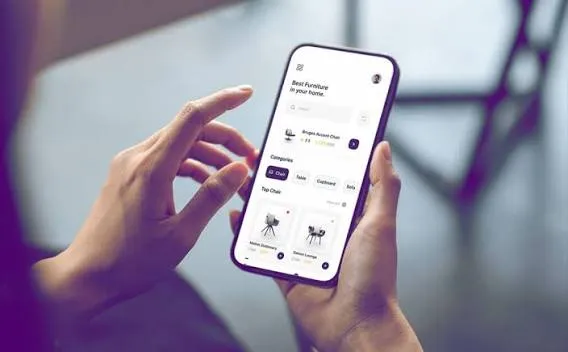

In today's mobile-first world, customers expect businesses to be accessible anytime and anywhere. Smartphones have become the primary way people browse products, book services, make purchases, and interact with brands. As a result, businesses that invest in mobile applications are creating stronger customer relationships while staying ahead of competitors who rely solely on websites or traditional communication channels.
A professionally developed mobile app is much more than a digital convenience. It serves as a direct connection between a business and its customers, providing personalized experiences, faster communication, and seamless interactions. In 2026, when customer expectations continue to evolve, businesses that prioritize mobile experiences are more likely to build lasting trust and loyalty.
Whether serving local customers or a global audience, companies can use mobile applications to strengthen engagement, improve customer satisfaction, and encourage repeat business. Mobile app development has become a strategic investment that supports long-term growth rather than simply following a technology trend.
Why Customer Engagement Matters More Than Ever
Customer engagement goes beyond making a single sale. It reflects how customers interact with a business over time, including how frequently they return, how much they trust the brand, and whether they recommend it to others.
Today's consumers have countless options available within seconds. If interacting with one business feels difficult or inconvenient, switching to a competitor requires very little effort. This makes ongoing engagement one of the most valuable assets a company can build.
Mobile applications create opportunities for businesses to remain connected with customers through every stage of their journey. Instead of waiting for customers to revisit a website, businesses can maintain regular communication through personalized experiences that encourage continued interaction.
When customers feel valued and receive consistent positive experiences, they naturally become more loyal to the brand.
Mobile Apps Create Personalized Customer Experiences
Modern customers expect businesses to understand their preferences and deliver experiences tailored to their needs. Personalization has become one of the strongest drivers of customer satisfaction and long-term loyalty.
Delivering Relevant Content at the Right Time
Unlike traditional websites, mobile applications can adapt to individual customer behavior. They can remember user preferences, recommend products based on previous activity, and provide customized content that feels relevant to each person.
When customers receive recommendations that genuinely match their interests, they are more likely to continue engaging with the business. This personalized approach helps companies create meaningful relationships rather than simply promoting products or services.
Customers appreciate businesses that save them time by presenting information that aligns with their interests instead of requiring them to search for everything manually.
Building Stronger Relationships Through Convenience
Convenience is one of the biggest reasons customers continue using mobile applications. Features such as simplified navigation, saved payment methods, personalized dashboards, and quick account access reduce friction throughout the customer experience.
Instead of repeating the same actions during every visit, users can complete tasks efficiently with minimal effort. This convenience encourages repeat usage and strengthens customer confidence in the business.
When people consistently enjoy smooth digital experiences, they naturally associate those positive experiences with the brand itself.
Direct Communication Strengthens Customer Loyalty
One of the greatest advantages of mobile applications is the ability to communicate directly with customers.
Businesses no longer have to rely entirely on email campaigns or social media algorithms to reach their audience. Mobile applications provide a dedicated communication channel where businesses can share updates, promotions, service announcements, appointment reminders, and personalized offers.
Timely communication keeps customers informed without becoming intrusive. When businesses deliver useful information that adds value, customers are more likely to remain engaged over the long term.
Companies that maintain consistent communication often develop stronger customer relationships because users feel connected to the brand beyond individual purchases.
Professional App Development Creates Better User Experiences
Customer engagement depends heavily on how enjoyable an application is to use. Slow performance, confusing navigation, frequent crashes, or outdated interfaces quickly discourage users.
Professional app development focuses on creating applications that are fast, reliable, secure, and easy to navigate. Every design decision aims to remove unnecessary obstacles and provide users with a seamless experience.
A professionally developed application performs consistently across different devices and operating systems while maintaining intuitive navigation that allows users to accomplish tasks quickly.
When businesses invest in quality development instead of shortcuts, they create digital experiences that customers trust and enjoy using regularly.
Mobile Apps Encourage Repeat Customer Interaction
Repeat customers contribute significantly to long-term business success. Acquiring new customers often requires substantial marketing investment, while retaining existing customers usually delivers greater long-term value.
Mobile applications naturally encourage repeat engagement because they remain accessible on customers' devices every day. Instead of remembering a website address or searching online, users can simply open the application whenever they need information, services, or products.
Frequent interactions increase familiarity with the brand. As customers repeatedly use the application, the business becomes part of their daily routine, making them less likely to explore competing alternatives.
This ongoing accessibility creates stronger emotional connections that contribute to customer loyalty over time.
Mobile Applications Build Trust Through Consistency
Trust develops through consistent positive experiences. Every successful interaction strengthens customer confidence and reinforces the perception that the business is reliable.
Professionally developed applications maintain consistent branding, smooth performance, secure transactions, and dependable functionality. Customers know what to expect each time they open the app, creating a sense of familiarity and reliability.
Security also plays a vital role in building trust. Customers expect businesses to protect their personal information and payment details. Modern app development incorporates secure authentication methods, encrypted data handling, and regular updates that help safeguard sensitive information.
Businesses that consistently deliver secure and dependable experiences are more likely to earn long-term customer confidence.
Mobile App Development Supports Long-Term Business Growth
As businesses expand, customer expectations continue to evolve. Mobile applications provide a flexible platform that can grow alongside the business by introducing new features, improving functionality, and adapting to changing customer needs.
Whether integrating customer support, appointment scheduling, loyalty programs, online purchasing, or personalized dashboards, professionally developed applications provide businesses with opportunities to continually improve the customer experience.
Rather than treating mobile apps as standalone products, successful companies view them as long-term investments that strengthen customer relationships while supporting marketing, sales, and operational goals.
Businesses that continually improve their mobile experiences often gain a competitive advantage because customers recognize their commitment to convenience and innovation.
Conclusion: Mobile Apps Turn Customer Relationships Into Lasting Loyalty
Customer engagement and brand loyalty are no longer built solely through advertising or competitive pricing. They are developed through meaningful, consistent experiences that make customers feel valued every time they interact with a business.
Professional mobile app development provides businesses with the tools to deliver personalized experiences, maintain direct communication, simplify customer interactions, and create lasting trust. These advantages extend beyond individual transactions, encouraging stronger relationships that result in repeat business and long-term loyalty.
As mobile technology continues to shape consumer behavior in 2026, businesses that invest in high-quality app development position themselves for sustainable growth. A well-designed mobile application is not simply another digital channel—it is a powerful extension of the brand that keeps customers engaged, satisfied, and connected for years to come.


























Sign in to leave a comment.