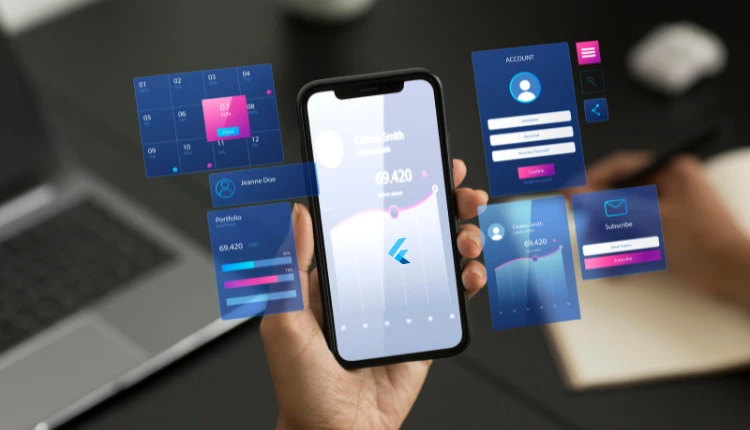

The mobile app development sector is growing fast in the digital age. The current market situation is that investing in the mobile app gives an amazing opportunity for startups and enterprises.
As per the Statista survey, users downloaded 121 billion apps from the Google Play store and 35 billion from the app store. It is expected to grow in 2026, reaching 143 billion and 111 billion for Google Play Store and App Store. Moreover, the revenue generated by mobile apps is expected to reach $673.8% billion by 2027.
We will cover vital topics of mobile app development in this guide, which helps to understand better.
All About Mobile App Development
Mobile app development is the scenario of developing mobile apps for smartphones. These programs need to be preinstalled on your device, and downloaded from a mobile app store or accessible via a mobile web browser. Typically, mobile apps use a network connection to work with remote computing resources. The app development process involves many steps. Here I enlisted some vital steps have a look at:
1. Creating deployable software solutions.
2. Establishing backend services using APIs, like data management.
3. Validating the apps on designated hardware.
4. Ensuring mobile apps are adaptable and dependable by accounting for screen dimensions, hardware specifications, and other development-impacting variables.
Benefits of Mobile Apps For Business
If a company is new or well-established, mobile apps are very crucial. As a business owner, you can not avoid overlooking the benefits of mobile apps for business. Below I enlisted some vital advantages. Let's see:
1. Deliver Exceptional Client Value
The business landscape has undergone a significant evolution in recent years, with technology at the heart of how companies initiate and complete customer interactions. Mobile apps have become indispensable in modern technology, transforming the way consumers shop and fulfill their needs.
2. Strengthen Your Brand Presence
The more value you provide, the stronger the connection customers feel with your brand. However, a robust brand experience requires intentional branding efforts and branded mobile applications play a pivotal role in this process. When designed effectively, apps can enhance brand recognition, gather valuable user data, and inform strategic marketing decisions.
3. Boost Customer Engagement
Enhancing customer engagement is one of the most effective ways to drive revenue and brand awareness. Frequent interactions between customers and your brand often lead to higher ROI, increased customer lifetime value, and improved overall metrics.
To achieve this, app developers should integrate features that foster engagement, such as loyalty programs, regular feature updates, and exclusive discounts.
4. Build a Personalized Marketing Platform
A corporate mobile app offers immense opportunities for the marketing team. One of the biggest advantages is direct access to customer data, allowing for better-informed marketing decisions. By analyzing user activity within the app, marketers can refine their campaigns and deliver highly targeted content.
How To Develop Mobile App?
Before starting a mobile app development process you need to analyze many things. Are you keen to know how to develop a mobile app? Then these steps are very helpful for you. Explore this section deeply:
1. Finalize your app concept
It is one of the most important steps to developing a successful mobile app is defining its core concept. This step sets the right pace for the whole development lifecycle, guiding every decision on features, functionalities, and design.
2: Select the right development approach
Making a successful mobile app involves many tasks. It requires a process, demanding considerable skill, expertise, and time. It’s pivotal to choose a development model that aligns with your app’s requirements while fitting into your budget.
3: Choose your preferred features
Finalize your app features to prioritize simplicity over trying to include everything. Don’t overfill your app with features. That being said, it’s essential to build a lineup of crucial features that distinguish your app in the cluttered market.
4: Design customer journeys & UI
After defining an app's features and purpose, it's time to finalize what kind of user experience and user interface you want your mobile app to have. A need to collaborate with a UX designer can help facilitate your vision.
5: Develop a winning app
After setting everything it's time to start coding. Think of coding as the realization of the concepts detailed in the blueprint. Software development companies dedicate significant effort to coding, ensuring the desired functionality and user experience are achieved.
6: Testing
After development, it's necessary to test your app. And it's an essential step for any app before launching. Listing down the tests and conducting them one at a time is an indispensable part of creating an app that works seamlessly without any glitches or gaps.
7: Launch your app
After achieving a polished initial version of the app, the development team you’ve partnered with will assist in launching it on the Apple App Store and Google Play Store. Each platform has its own set of guidelines and requirements that must be followed.
Final Words
In conclusion, mobile app development for business is a powerful way to reach your audience, streamline operations, and boost your brand's visibility. By understanding the process, from planning to deployment, and focusing on user needs, you can create a mobile app that truly adds value to your business. Remember, the key to success lies in continuous improvement, staying updated with trends, and ensuring a seamless user experience. With the right approach, your mobile app can become a game-changer for your business!





















Sign in to leave a comment.