

Introduction:
As technology continues to evolve, so does the way we learn. E-Learning platforms have become increasingly popular, offering a flexible and accessible way for individuals to acquire knowledge. With the rising usage of mobile devices, adopting a mobile-first approach to e-learning platform development has become essential. This blog explores the benefits of such an approach and highlights key considerations to ensure a seamless and engaging learning experience.
1. Accessibility Anytime, Anywhere:
In today's fast-paced world, learners seek convenience and flexibility. By prioritizing mobile devices in e-learning platform development, learners gain the ability to access educational content and resources anytime, anywhere. Mobile compatibility empowers learners to study at their convenience, whether it's during their commute, in between meetings, or in the comfort of their own homes. This accessibility factor removes barriers and enables learners to fit education into their busy schedules.
2. Engaging User Experience:
Mobile devices offer a range of interactive features that can significantly enhance the learning experience. From touch gestures to push notifications, incorporating these elements into e-learning platforms can make learning more immersive and engaging. Mobile-first approach allows for the utilization of multimedia content, gamification, and social learning features, stimulating learner interaction and motivation. The visually appealing and interactive nature of mobile interfaces helps deliver content in a captivating manner, which ultimately leads to better retention and understanding.
3. Seamless Learning Across Devices:
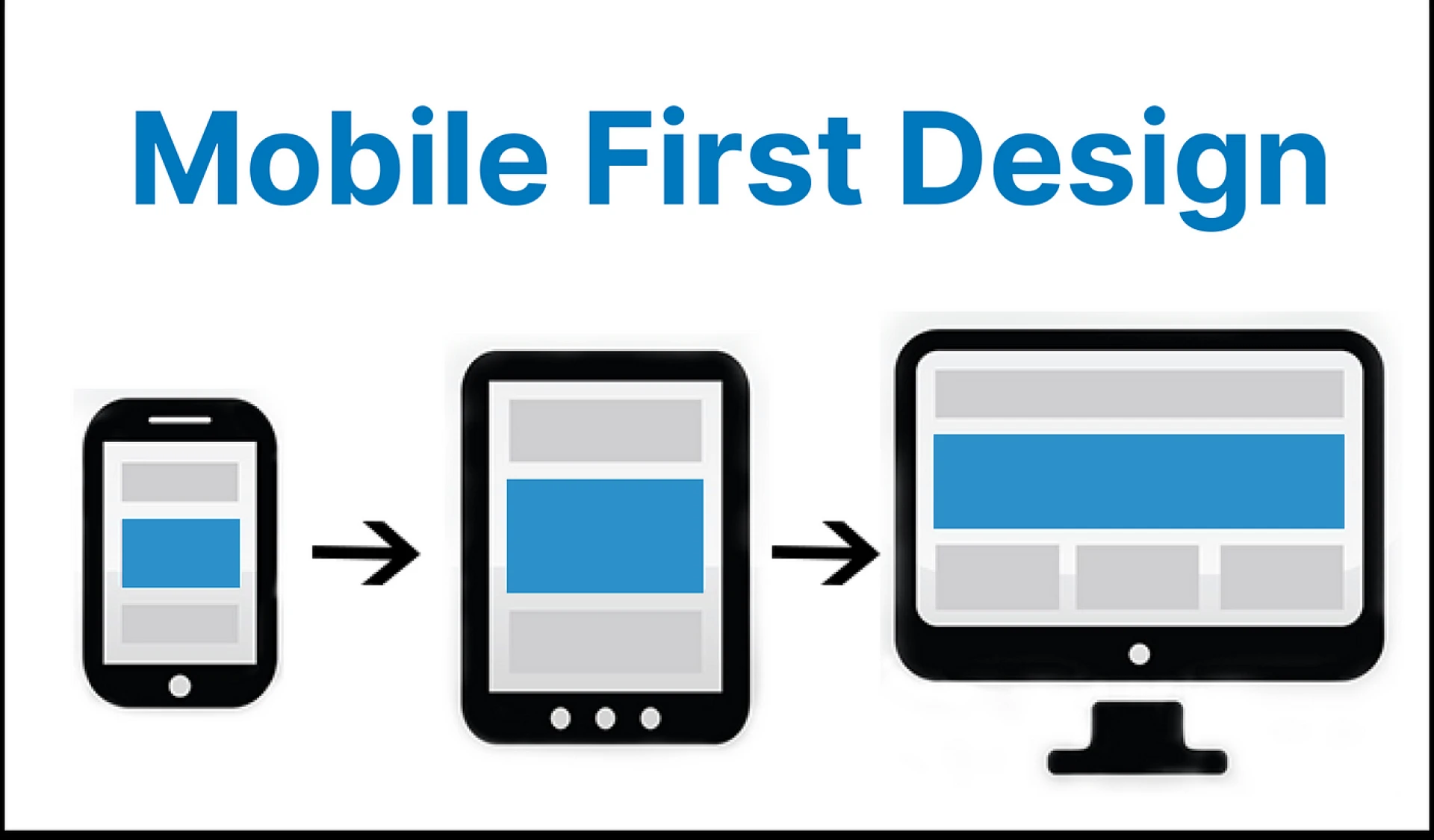
While mobile devices take precedence, a mobile-first approach doesn't exclude other platforms. It ensures that the e-learning platform development is responsive and adaptable across various screen sizes and resolutions, including desktops and tablets. Users should be able to switch seamlessly between devices without losing progress or functionality. This flexibility enables learners to start a module on their smartphone during a break and continue it later on a larger screen, maintaining a consistent and uninterrupted learning experience.
4. Personalization and Adaptive Learning:
Mobile-first approaches also allow for personalized and adaptive learning experiences. Leveraging the capabilities of mobile devices, e-learning platforms can track learner preferences, progress, and performance data. This data can be used to provide tailored content recommendations, adaptive assessments, and personalized learning paths. Learners benefit from content that aligns with their individual needs and learning styles, fostering engagement and improving learning outcomes.
5. Utilizing Mobile-Specific Features:
Mobile devices offer unique features that can enhance e-learning engagements. These include GPS capabilities, sensors, and augmented reality (AR). For example, GPS can be utilized to provide location-specific educational content or context-aware learning. Sensors can be used for interactive simulations or science experiments. AR can bring elements of the physical world into the learning experience, making it more immersive and practical. Incorporating such features allows e-learning platforms to leverage the full potential of mobile devices and provide innovative and effective learning experiences.
Conclusion:
As the world becomes increasingly mobile-centric, embracing a mobile-first approach to e-learning platform development is essential. By prioritizing mobile compatibility, e-learning platforms become accessible to a wider audience, provide a seamless learning experience across devices, and capitalize on the interactive capabilities of mobile devices. Learners can now engage with educational content anytime, anywhere, resulting in enhanced engagement, personalized learning, and improved learning outcomes. Embrace the mobile-first approach to unlock the true potential of e-learning in the digital age.









Sign in to leave a comment.