
Mobile home demolition is an essential service for property owners looking to clear land, remove unsafe structures, or prepare for new development. Whether a mobile home has reached the end of its lifespan, suffered storm damage, or simply no longer serves its purpose, professional demolition ensures the structure is removed safely, legally, and efficiently. This guide explores everything you need to know about mobile home demolition, from reasons for removal to the process, costs, and environmental considerations.
What Is Mobile Home Demolition?
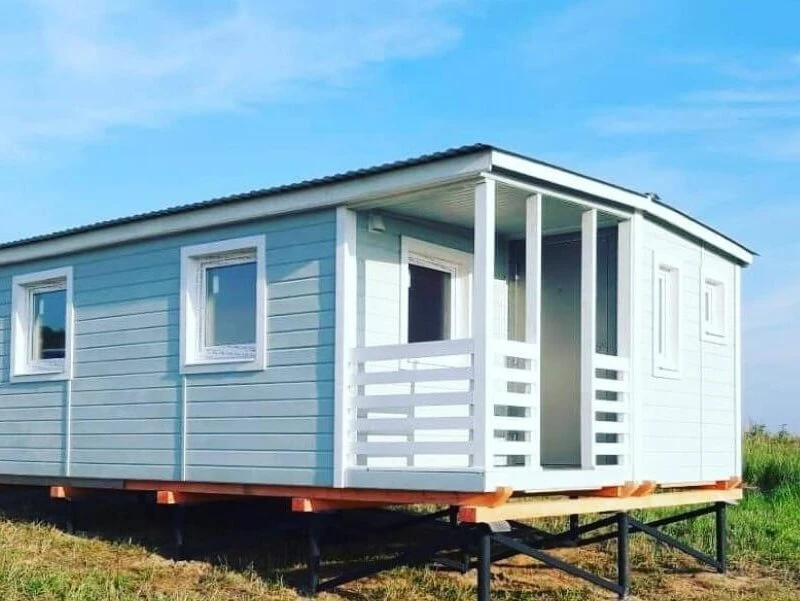
Mobile home demolition is the process of dismantling, tearing down, and removing a manufactured or mobile home from a property. Unlike traditional house demolition, mobile homes are often built with lighter materials and may be located in parks, rural land, or private lots. This makes their demolition unique, requiring specialized equipment and knowledge of local regulations.
Common Reasons for Mobile Home Demolition
There are several reasons why property owners choose to demolish a mobile home:
Structural Damage and Safety Concerns
Older mobile homes may suffer from rotting floors, mold, roof collapse, or fire damage. When repairs are no longer cost-effective, demolition becomes the safest option.
Property Redevelopment
Landowners often remove mobile homes to make room for new construction, such as a new home, commercial building, or expanded land use.
Code Violations
Mobile homes that no longer meet local building codes or zoning laws may be required to be demolished by authorities.
Abandonment or Vacancy
Abandoned mobile homes can attract pests, vandalism, and legal liability. Demolition helps restore property value and safety.
The Mobile Home Demolition Process
Understanding the demolition process helps property owners prepare and avoid surprises.
Site Inspection and Planning
The process begins with a site assessment to evaluate the size, condition, and location of the mobile home. Professionals also check for utilities, hazardous materials, and access points for machinery.
Permits and Legal Compliance
Most cities and counties require demolition permits. Utility disconnections, asbestos inspections, and waste disposal regulations must be followed to remain compliant with local laws.
Utility Disconnection
Before demolition, all utilities such as electricity, water, gas, and sewage must be safely disconnected to prevent accidents.
Demolition and Removal
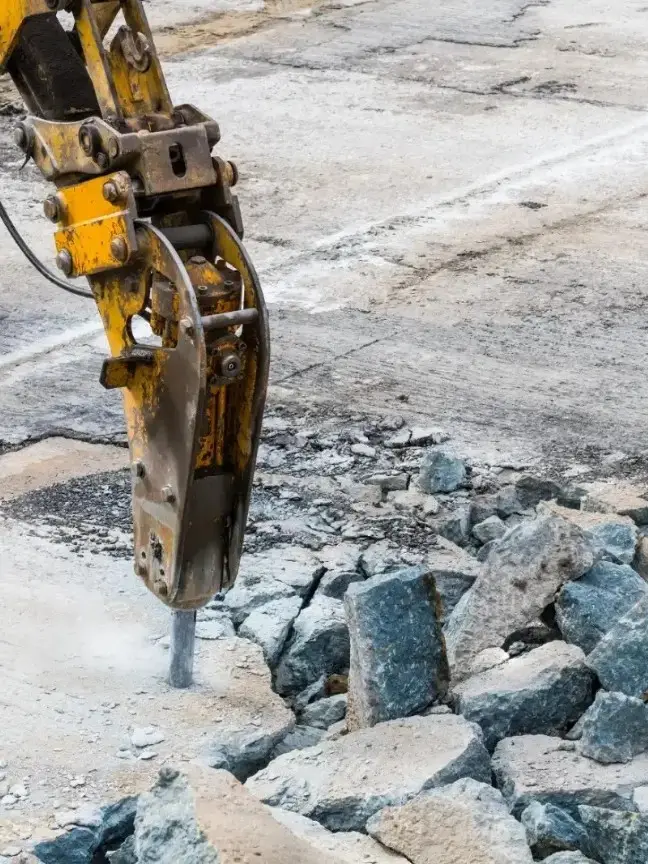
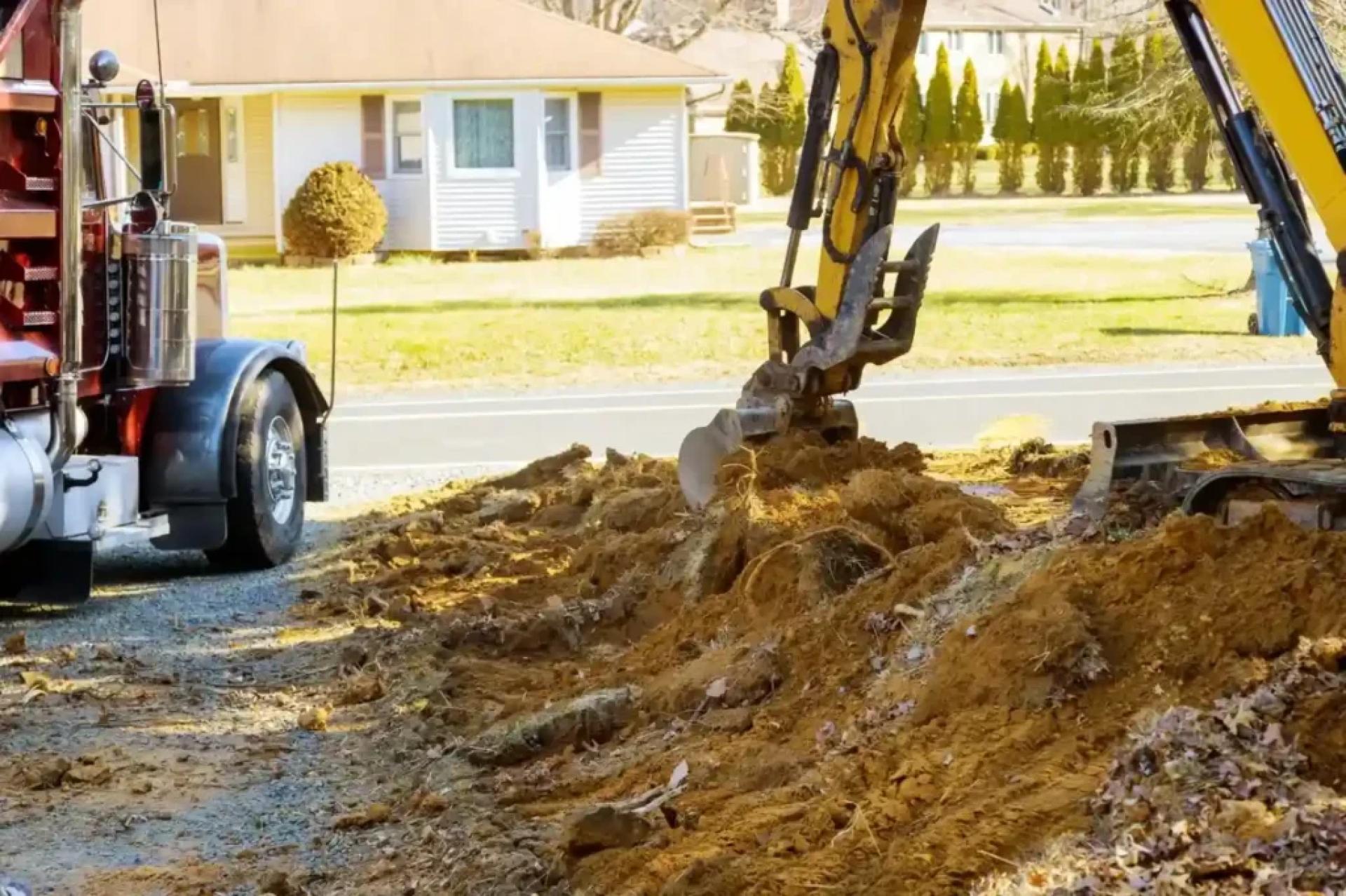
Using heavy machinery like excavators, the mobile home is dismantled or crushed. Materials are then loaded and hauled away for disposal or recycling.
Site Cleanup
After demolition, debris is cleared, nails and sharp materials are removed, and the site is leveled, leaving the land clean and usable.
Cost Factors in Mobile Home Demolition
The cost of mobile home demolition can vary based on several factors:
Size and Type of Mobile Home
Single-wide mobile homes typically cost less to demolish than double-wide or triple-wide units.
Location and Accessibility
Homes in tight spaces or remote areas may require additional labor and equipment, increasing costs.
Hazardous Materials
If asbestos, lead paint, or mold is present, specialized removal is required, which can raise the overall price.
Disposal and Recycling Fees
Dumping fees and recycling costs depend on local landfill rates and environmental regulations.
On average, mobile home demolition can range from a few thousand dollars to more depending on complexity.
Environmental and Recycling Considerations
Modern demolition practices emphasize responsible waste management. Many materials from mobile homes, such as metal frames, aluminum siding, appliances, and wiring, can be recycled. Proper recycling reduces landfill waste and lowers environmental impact. Hiring a professional demolition service ensures materials are disposed of ethically and sustainably.
DIY vs Professional Mobile Home Demolition
While some property owners consider DIY demolition to save money, it comes with significant risks. Handling heavy materials, hazardous substances, and machinery without proper training can lead to injuries, fines, or property damage. Professional demolition contractors bring expertise, insurance, and compliance, ultimately saving time and reducing liability.
Conclusion
Mobile home demolition is a practical solution for removing outdated, unsafe, or unwanted structures. From planning and permits to demolition and cleanup, the process requires careful coordination and adherence to regulations. By understanding the reasons, process, costs, and environmental impact, property owners can make informed decisions and ensure their land is cleared safely and efficiently. Choosing experienced professionals not only protects your investment but also ensures peace of mind as you move forward with your property plans. Visit the official website texasmobilehomeremoval.com




Sign in to leave a comment.