
Thinking about buying a mobile home but unsure how to finance it? Mobile home loans can be a bit different from traditional mortgages, and understanding your options is key to making a smart investment. With the right information, you\'ll be better equipped to navigate the lending landscape and secure a loan that fits your needs.
In this article, I\'ll break down the essentials of mobile home loans, from the types of loans available to the qualifications you’ll need. Whether you\'re a first-time buyer or looking to refinance, having a clear grasp of your financing options can make the process smoother and more manageable. Let\'s dive into the world of mobile home loans and get you one step closer to owning your dream home.
Types of Mobile Home Loans
Customizing a financing plan involves understanding different loan types. Mobile home loans vary significantly from traditional mortgages, offering unique benefits and requirements.
Conventional Loans
Conventional loans, often offered by banks, credit unions, and other financial institutions, cater to those with good credit scores. Typically, these loans require higher down payments, around 5%-20%, and come with favorable interest rates. Eligibility often demands a credit score above 620. These loans suit buyers seeking stability and can finance both the home and the land it\'s on.
Government-Backed Loans
Government-backed loans, such as FHA and VA loans, provide more accessible options for qualified borrowers. FHA loans allow down payments as low as 3.5% and accommodate credit scores starting at 500, making them ideal for first-time buyers. VA loans, exclusive to veterans and active military members, often require no down payment and offer competitive interest rates. These loans significantly reduce financial barriers, promoting affordable homeownership.
Chattel Loans
Chattel loans specifically finance mobile homes as personal property, not real estate. These loans cater to buyers not purchasing the land, which makes them ideal for homes in manufactured home parks. Typically, chattel loans come with shorter terms, around 15-20 years, and higher interest rates compared to conventional loans. Their flexibility in financing personal property appeals to those preferring lower upfront costs.
Personal Loans
Personal loans offer an alternative for mobile home buyers needing quick and flexible financing. These unsecured loans rely on creditworthiness rather than property collateral. Personal loans usually feature shorter repayment terms and higher interest rates. While they provide an immediate solution, higher costs and limited amounts might constrain this method for purchase or improvement projects.
Factors Affecting Eligibility for Mobile Home Loans
Several key factors determine eligibility for mobile home loans. Understanding these can help ensure a smooth application process.
Credit Score Requirements
Credit score requirements vary by mortgage lender and loan type. For conventional loans, lenders typically seek a minimum credit score of 620. Government-backed loans, such as FHA and VA loans, might accept lower scores, often around 580. However, higher credit scores generally result in better interest rates and terms. A solid credit history reassures lenders about your ability to repay the loan.
Loan Terms and Conditions
Loan terms and conditions impact eligibility significantly. Conventional loans require larger down payments, often 5% to 20% of the home\'s purchase price. Government-backed loans may have more lenient down payment requirements, sometimes as low as 3.5%. Chattel loans focus on mobile homes as personal property, often demanding higher interest rates but shorter loan terms, typically 15 to 20 years. Personal loans, while easier to obtain, tend to come with higher interest rates and shorter repayment periods, usually 5 to 7 years. Familiarize yourself with these conditions to find a loan that aligns with your financial situation.
Steps to Applying for Mobile Home Loans
Applying for a mobile home loan involves several important steps. Understanding each step helps streamline the process and improves your chances of approval.
Assess Your Financial Situation
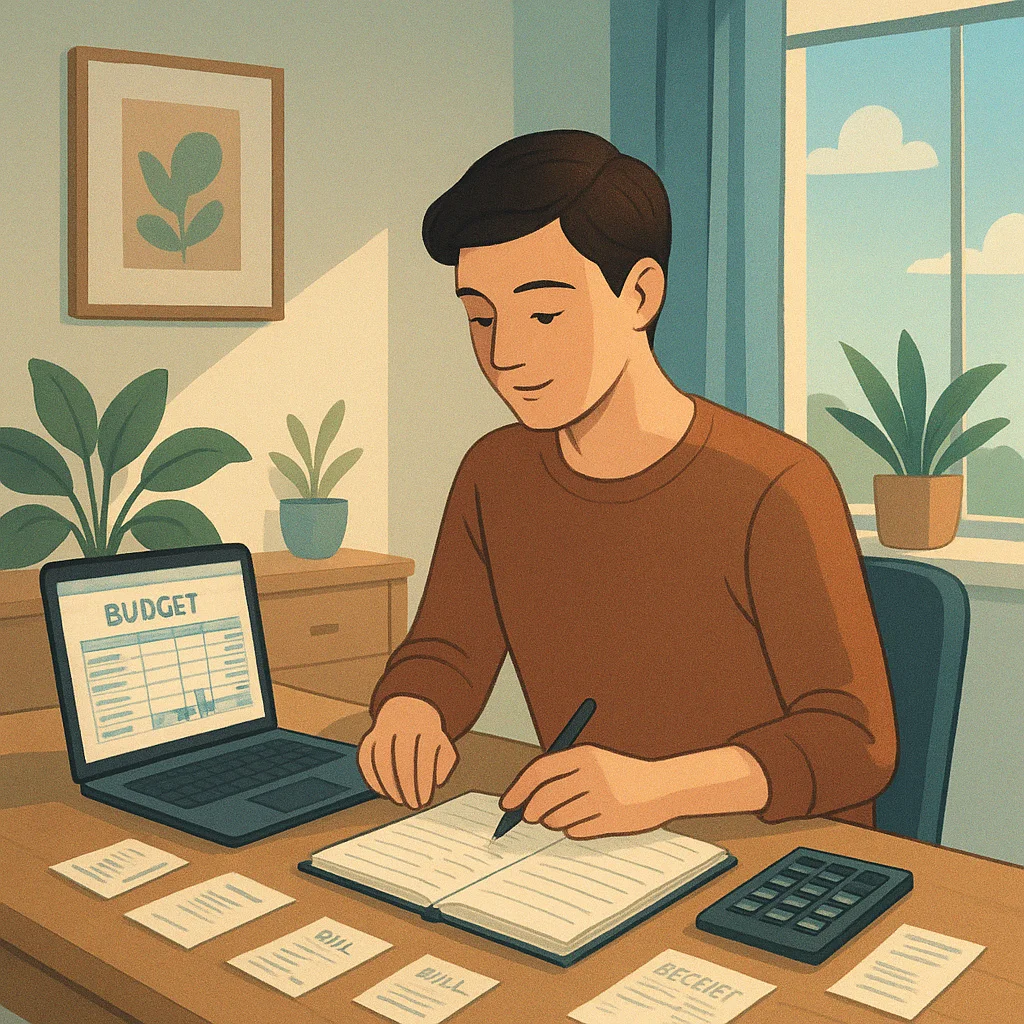
Evaluate your credit score, income, and existing debts. Ensure your credit report is accurate by checking it from all three major credit bureaus. Calculate your debt-to-income (DTI) ratio to understand your borrowing capacity. For instance, many lenders prefer a DTI ratio below 43%.
Explore Your Loan Options
Research various loan types like conventional loans, FHA loans, VA loans, and chattel loans. Compare interest rates, down payment requirements, and repayment terms. Consider government-backed loans for lower down payments and more lenient credit score requirements. For example, FHA loans often have lower credit score thresholds compared to conventional loans.
Prepare Necessary Documentation
Gather essential documents such as proof of income, tax returns, and identification. Lenders usually require recent pay stubs, W-2 forms, and bank statements. Ensure all documents are up-to-date to avoid delays in processing. For self-employed individuals, include additional documentation like business tax returns.
Apply for the Loan
Submit your loan application along with the required documentation. Complete the application accurately to avoid issues. Await pre-approval status from your lender before proceeding with the purchase. Approval time varies by lender but typically takes a few weeks.
Pros and Cons of Mobile Home Loans
Mobile home loans present several benefits and challenges. It\'s crucial to weigh these factors before deciding on this type of financing.
Advantages of Mobile Home Financing
Lower Costs: Mobile homes usually cost less than traditional houses, making loans more affordable.
Flexible Options: Various loan options exist, including FHA, VA, chattel, and personal loans, catering to different financial needs.
Quick Approval: Some loans, like personal loans, offer faster approval processes, reducing the waiting period.
Smaller Down Payments: Government-backed loans often require smaller down payments, making homeownership more accessible.
Potential Drawbacks
Higher Interest Rates: Mobile home loans typically carry higher interest rates than traditional mortgages, increasing long-term costs.
Depreciation: Mobile homes generally depreciate in value over time, unlike traditional homes that may appreciate.
Property Limitations: Chattel loans treat mobile homes as personal property, not real estate, leading to potential resale difficulties.
Stricter Terms: Lenders may impose stricter terms and higher credit score requirements due to the perceived risk associated with mobile home loans.
Conclusion
Grasping the nuances of mobile home loans can significantly impact your purchasing decision. With various loan options and eligibility factors to consider it\'s crucial to weigh the pros and cons carefully. Lower costs and flexible options are enticing but be mindful of potential drawbacks like higher interest rates and property limitations. By understanding these aspects you\'ll be better equipped to make a well-informed choice for your mobile home financing needs.




















Sign in to leave a comment.