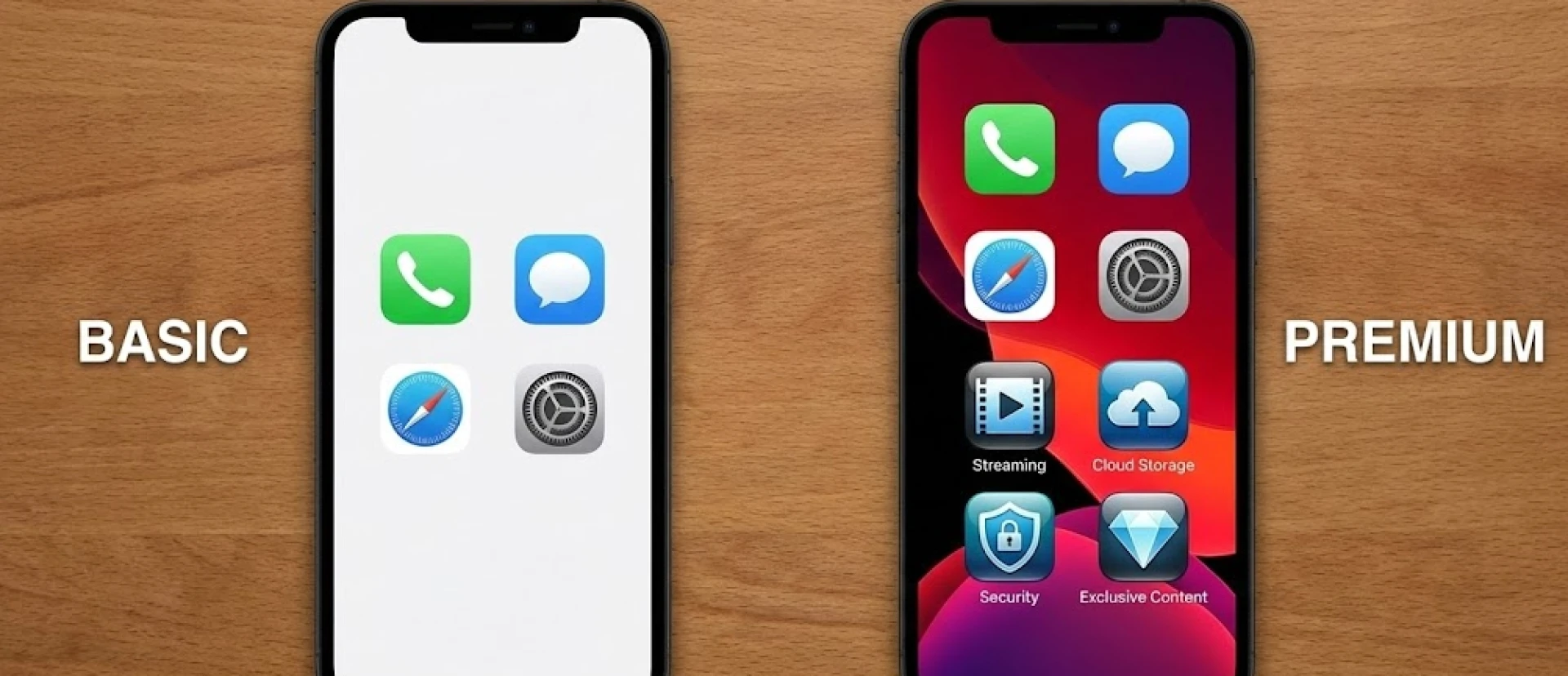

Most people don't realize they're paying for services beyond their basic phone plan. Mobile carriers offer a range of add-ons that go far beyond calls and texts, but the line between what's included and what costs extra has become increasingly blurred. Understanding this distinction can save money and prevent surprise charges on monthly bills.
What Mobile VAS Actually Means
Mobile VAS refers to non-core services that go beyond standard voice calls and fax transmissions. The term covers everything from streaming subscriptions to cloud storage, mobile banking, and gaming services. These extras sit on top of basic telecommunications functions and often come with additional fees.
Carriers originally introduced these services to boost revenue per user. When voice call profits started declining due to competition and flat-rate pricing, operators needed new income streams. Value-added services became the answer.
Standard Features Every Plan Should Include
Basic mobile service typically covers voice calling, SMS texting, and mobile data. These represent the foundation of any phone plan. Most modern plans also include voicemail, caller ID, and call waiting without extra charges. These features have become so standard that carriers rarely advertise them anymore.
The confusion starts when carriers bundle certain services that used to cost extra. Video calling capabilities, for instance, now come standard on most smartphones through apps like FaceTime or WhatsApp. Yet some carriers still offer their own branded video calling as a premium service.
Common Mobile VAS Categories
Services like music streaming, gaming, video content, and cloud storage represent typical value-added offerings from telecom companies. Entertainment packages have become particularly popular, with carriers partnering with streaming platforms to offer discounted access.
Mobile banking and payment services represent another major category. While the underlying technology might be free, carriers often charge for premium features like higher transaction limits or international transfers. Insurance products, device protection plans, and tech support packages all fall under the VAS umbrella as well.
Location-based services have grown substantially. Some carriers offer family locator services, navigation tools with real-time traffic updates, and location-specific content delivery. These typically require separate subscriptions beyond the basic plan.
How Carriers Make Money From VAS
Telecommunications companies face pressure as basic service prices drop. Data costs have decreased dramatically over the past decade, sometimes selling below actual delivery costs in competitive markets. This forces carriers to find alternative revenue sources.
Value-added services provide higher profit margins than basic connectivity. When a carrier bundles a streaming service or sells cloud storage, they're taking a cut while providing something users actually want. The model works because customers often perceive more value in these extras than in slightly faster data speeds.
Third-party providers frequently partner with carriers to deliver these services. A carrier might offer a music streaming subscription, but a separate company actually provides the streaming platform. Both parties split the revenue, creating a win-win arrangement.
The Regulatory Aspect
Consumer protection regulations govern how carriers can activate and charge for these services. According to telecom regulations in multiple countries, carriers cannot activate value-added services without prior customer consent. Many regions also mandate that customers can cancel within 24 hours and receive a full refund.
Despite these protections, confusion persists. Carriers sometimes pre-check boxes during online signup, or sales representatives add services without clearly explaining the costs. Reading the fine print before activating any service remains necessary.

What You're Actually Paying For
Breaking down a typical phone bill reveals how much goes toward extras versus basic service. A standard plan might cost $50 monthly for calls, texts, and data. But add-ons can easily double that amount:
- Music streaming service: $10/month
- Cloud storage upgrade: $5/month
- Device protection insurance: $12/month
- Premium tech support: $8/month
- Mobile hotspot feature: $10/month
These additions bring the total to $95 monthly, with 47% going toward services beyond basic connectivity. Many users don't realize they've subscribed to all these extras or could find cheaper alternatives elsewhere.
When VAS Makes Sense
Some value-added services genuinely provide value. Bundled entertainment packages often cost less than subscribing separately. A carrier offering a streaming service for $8 monthly when the standalone price is $15 represents real savings.
Device insurance through a carrier can make sense despite the monthly cost. Third-party insurance often requires more paperwork and longer claim processing times. Carrier-provided insurance typically offers faster device replacement and store-based support.
International roaming packages fall into the category of genuinely useful extras. Without these add-ons, international data and calling rates can be absurdly expensive. A $10 daily international pass might seem steep until compared to the $2 per minute alternative.
Red Flags to Watch For
Certain practices should raise immediate concerns. Automatic enrollment in trial services that convert to paid subscriptions catches many users off guard. The trial might be free for 30 days, but forgetting to cancel results in surprise charges.
Vaguely named services on bills warrant investigation. Entries like "Premium Content" or "Value Pack" without clear descriptions often indicate services added without full customer awareness. Calling customer service to identify and remove these charges usually resolves the issue.
Services that duplicate free alternatives represent another red flag. Why pay $5 monthly for caller ID name display when most smartphones show this information automatically? Similarly, paying extra for visual voicemail makes little sense when free apps provide the same functionality.
The Future of Mobile Services
5G technology enables new value-added services like augmented reality, virtual reality, and edge computing applications that require low latency and high-speed connectivity. These emerging services will likely command premium prices, at least initially.
Smart home integration represents a growing opportunity for carriers. Offering bundled packages that include home automation, security monitoring, and IoT device management could become standard. Whether these provide genuine value or simply add to monthly bills depends on implementation.
Artificial intelligence-driven personalization is changing how mobile VAS gets delivered. Instead of offering the same packages to everyone, carriers increasingly customize offerings based on usage patterns and preferences. This could lead to more relevant services or more aggressive upselling, depending on carrier practices.
Making Informed Decisions
Start by reviewing the current phone bill line by line. Identify which charges represent basic service and which are extras. Research whether those extras can be obtained cheaper elsewhere or eliminated entirely.
Contact the carrier to understand exactly what each service provides. Sales materials often oversimplify or omit details about limitations and restrictions. Speaking directly with customer service reveals the actual terms and conditions.
Consider whether smartphone capabilities already provide similar functions for free. Many mobile VAS offerings duplicate features built into modern phones or available through free apps. Paying for redundant services wastes money without adding value.
Before activating any new service, understand the cancellation policy and set a calendar reminder if a trial period expires. Most carriers make signing up easy but canceling deliberately difficult. Being proactive prevents automatic charges from continuing indefinitely.

The Bottom Line
The distinction between standard mobile features and value-added services has become increasingly murky. Carriers benefit from this confusion, as many customers pay for extras they don't need or even know they have. Understanding what mobile VAS truly represents helps consumers make informed decisions about which services justify their cost.
Basic phone service should include calls, texts, data, and standard features like voicemail. Everything beyond that falls into the value-added category and deserves scrutiny. Some extras provide genuine convenience or savings, while others simply pad carrier profits at customer expense.
Reading bills carefully, questioning unclear charges, and comparing prices with standalone alternatives all help ensure paying only for services that actually add value. The telecommunications industry will continue developing new extras to sell, making ongoing vigilance necessary for anyone wanting to control their mobile spending.



























Sign in to leave a comment.