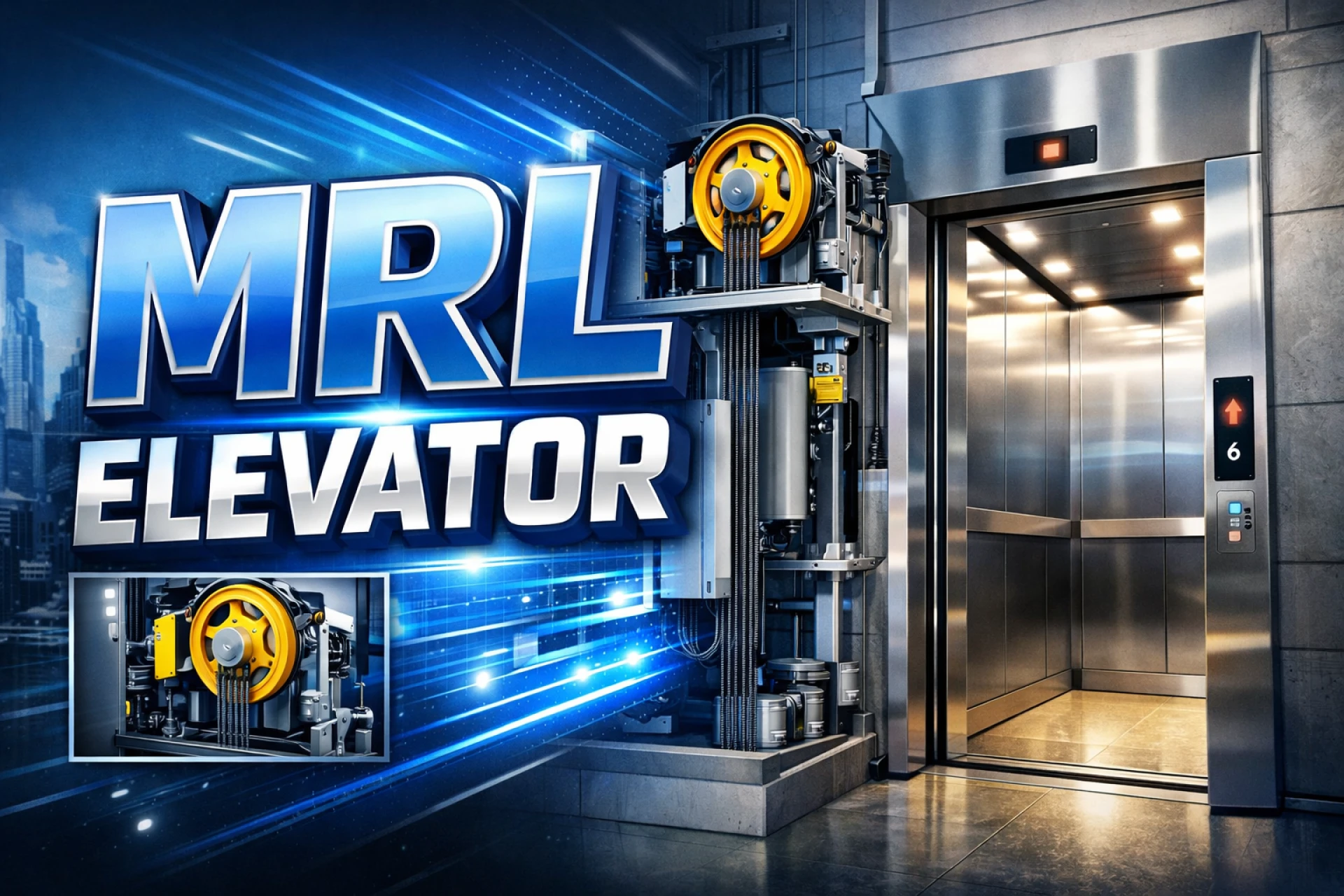

The skyline of the modern city is a testament to architectural ambition and engineering ingenuity. As buildings grow taller and urban spaces become more congested, the demand for smarter, more compact infrastructure has never been higher. One of the most significant shifts in building design over the last two decades has been the transition from traditional traction elevators to Machine Room-Less (MRL) systems. This shift represents a fundamental change in how we perceive the "guts" of a building, moving away from bulky, dedicated mechanical spaces toward streamlined, integrated solutions.
In the past, elevators required a large, reinforced concrete room, usually located directly above the lift shaft, to house the massive motors, controllers, and sheaves. These rooms were not only an architectural eyesore, often requiring "penthouse" structures on roofs, but they also added significant weight and cost to the construction process. Today, the industry has pivoted. By utilizing smaller, permanent magnet motors that fit directly inside the hoistway, architects are reclaiming valuable square footage, proving that efficiency is the hallmark of the 2020s.
How MRL Technology Works
The core difference between a traditional elevator and an MRL system lies in the motor technology. Standard elevators often used bulky induction motors that required a significant amount of space and cooling. MRL systems, however, utilize gearless traction machines powered by permanent magnet synchronous motors (PMSM). Because these motors are remarkably compact and highly efficient, they can be mounted on the guide rails or the wall of the elevator shaft itself.
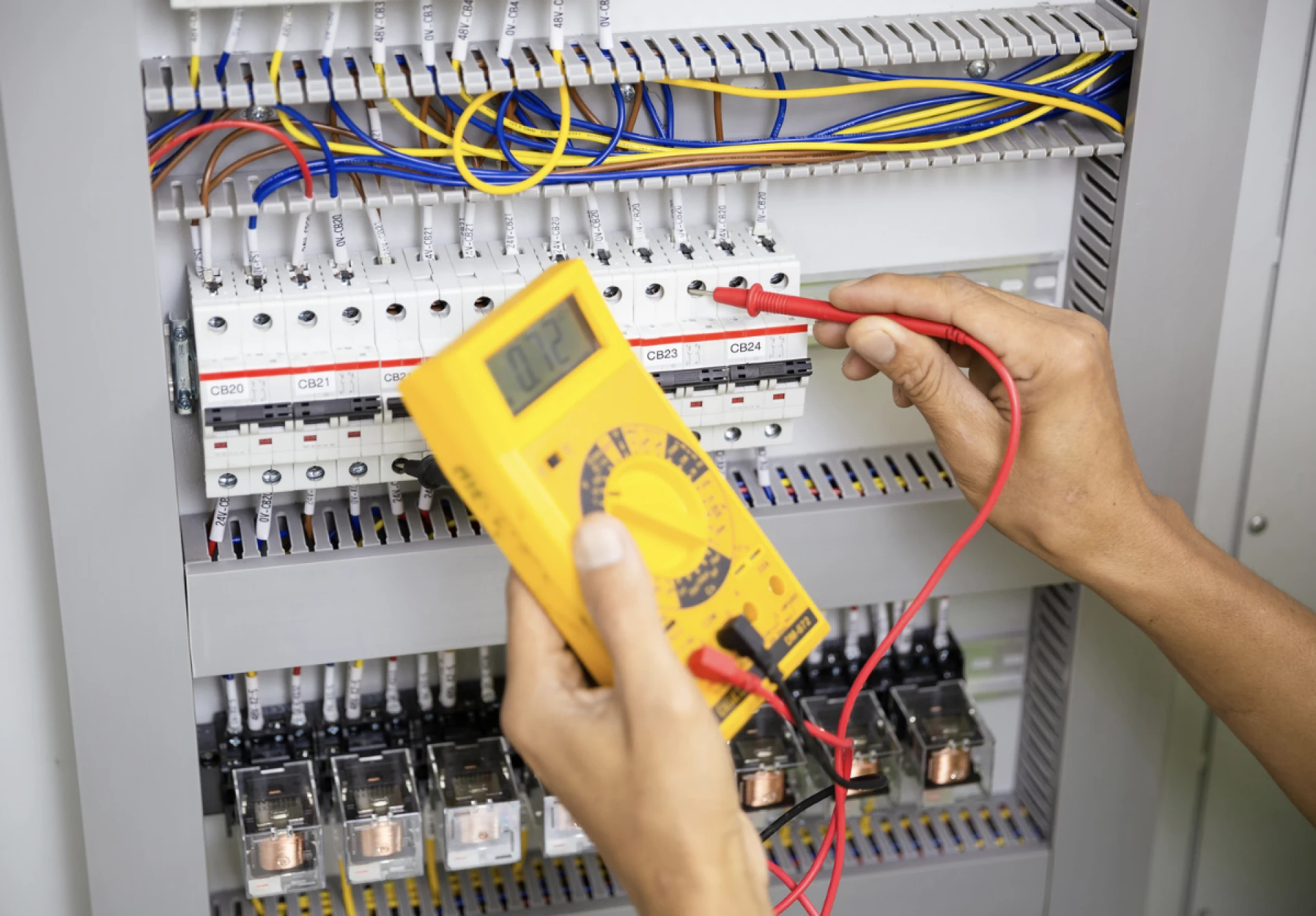
The controller, which acts as the "brain" of the elevator, is typically housed in a small cabinet located near the top floor landing, often integrated into the door frame. This eliminates the need for a separate room entirely. This design allows for a much smoother and quieter ride, as the gearless nature of the machine reduces vibration and mechanical noise. For developers looking for the best lift manufacturer in india, the focus is almost always on these gearless MRL solutions because they represent the current gold standard in ride quality and space-saving design.
Space Optimization and Architectural Freedom
One of the primary reasons modern buildings prefer MRL elevators is the sheer freedom they offer to architects. In urban environments like Udaipur, where heritage aesthetics often clash with modern height requirements, removing a bulky rooftop machine room is a game-changer. Architects can now design flat roofs, which can be utilized for rooftop gardens, solar arrays, or even additional luxury penthouses.
By removing the machine room, the total height of the building's core is reduced, which can sometimes allow developers to squeeze an extra floor into a building while staying under local height restrictions. This optimization of space directly impacts the return on investment for a project. Imperial Elevators Udaipur has been a leader in this transition, helping local developers integrate these sleek systems into buildings that require high performance without compromising on the visual profile of the structure.
Energy Efficiency and Sustainability
Sustainability is no longer a "nice-to-have" feature; it is a regulatory and ethical requirement in modern construction. MRL elevators are significantly more energy-efficient than their predecessors. Traditional geared elevators lose a substantial amount of energy through heat and friction within the gearbox. In contrast, the gearless PMSM motors used in MRL systems consume up to 40% less power.
Furthermore, many modern MRL systems are equipped with regenerative drives. These drives capture the energy generated when an empty elevator goes up or a full elevator goes down—acting like a generator—and feed that electricity back into the building’s power grid. This closed-loop system reduces the overall carbon footprint of the building. When searching for mrl elevators udaipur, many clients prioritize these green features to meet modern energy standards and reduce long-term operational costs.
Safety and Reliability in Modern Units
There is a common misconception that because MRL systems are compact, they might be harder to maintain or less safe. In reality, the opposite is true. Because the motors are gearless, there are fewer moving parts to wear out, and there is no need for oil-filled gearboxes, which eliminates the risk of leaks and reduces fire hazards. Maintenance is performed through the top of the car or from the landing, with safety protocols built into the digital controllers.
Modern MRL systems are also equipped with advanced emergency battery systems. In the event of a power failure, these systems automatically move the elevator to the nearest floor and open the doors, ensuring passenger safety without the need for manual intervention in a remote machine room. Imperial Elevators Udaipur ensures that these safety features are standard, providing peace of mind for residential and commercial occupants alike.
The Cost-Benefit Analysis of the Switch
While the initial equipment cost of an MRL elevator can sometimes be slightly higher than a traditional geared system, the total cost of ownership is significantly lower. The savings start during the construction phase; by eliminating the need to build, wire, and ventilate a separate machine room, developers save on labor, materials, and structural reinforcement.
Over the lifespan of the building, the reduced energy consumption and lower maintenance requirements of gearless technology pay for the initial investment several times over. As modern buildings move toward "smart" integration, MRL systems are also easier to connect to building management systems, allowing for real-time monitoring and predictive maintenance. This data-driven approach ensures that the elevators stay operational longer with less downtime.
Why Modern Developers Choose MRL
Ultimately, the preference for Machine Room-Less elevators is driven by a combination of aesthetics, economics, and environmental responsibility. They represent the perfect intersection of form and function. By removing the physical constraints of the past, they allow buildings to be more flexible, more beautiful, and far more efficient.
As urban centers continue to evolve, the demand for vertical transportation that is quiet, fast, and eco-friendly will only grow. Whether it is a luxury hotel, a commercial hub, or a residential complex, the MRL elevator has become the backbone of the modern built environment. With local experts like Imperial Elevators Udaipur providing cutting-edge technology and reliable service, the transition to these advanced systems is easier than ever for the modern developer.


















Sign in to leave a comment.