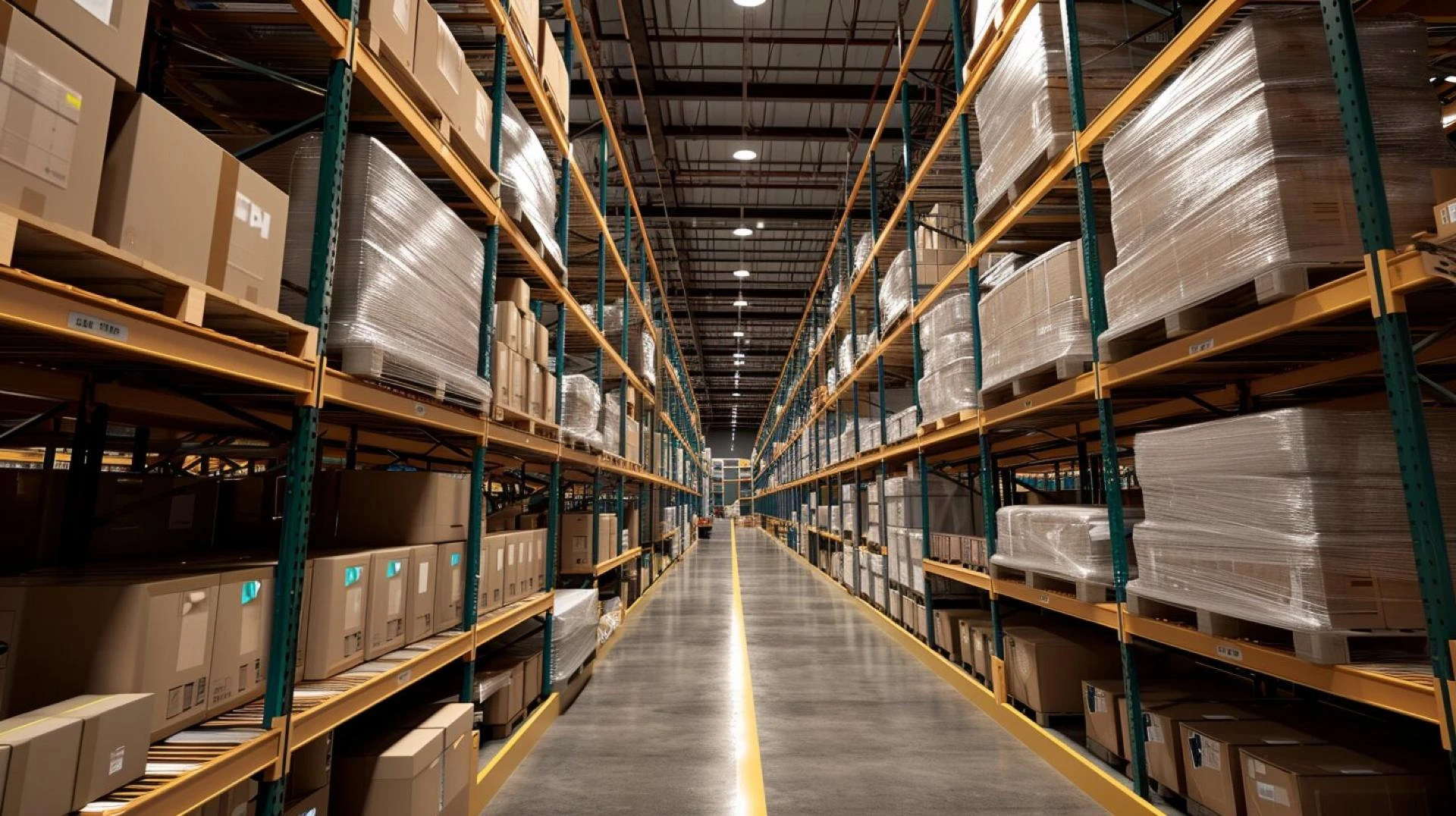

The Role of Sustainability in Modern Warehousing and 3PL Practices
In today\'s rapidly evolving logistics landscape, sustainability has emerged as a critical factor shaping modern warehousing and third-party logistics (3PL) practices. As businesses worldwide strive to meet environmental targets and consumer expectations, integrating sustainable practices into warehousing and 3PL operations has become not just a choice, but a strategic imperative.
Sustainable Warehousing Practices
Sustainable warehousing practices encompass a range of initiatives aimed at reducing carbon footprints, optimizing resource utilization, and minimizing environmental impact throughout the supply chain. Key strategies include:
Energy-Efficient Warehouse Design
Modern warehouses are increasingly designed with energy efficiency in mind. Utilizing LED lighting, advanced HVAC systems, and solar panels not only reduces operational costs but also lowers greenhouse gas emissions.
Eco-Friendly Packaging Solutions
Adopting eco-friendly packaging materials such as biodegradable wraps, recyclable cardboard, and reusable containers not only enhances sustainability but also promotes a positive brand image among environmentally conscious consumers.
Waste Reduction and Recycling Programs
Implementing waste reduction strategies and robust recycling programs within warehouses can significantly decrease landfill contributions. By segregating waste streams and incentivizing recycling among employees and suppliers, warehouses can achieve substantial environmental gains.
Sustainable 3PL Practices
In the realm of third-party logistics, sustainability extends beyond warehouse operations to encompass transportation, supply chain management, and reverse logistics. Key sustainable 3PL practices include:
Efficient Route Planning and Optimization
Employing advanced route planning software and fleet optimization algorithms minimizes fuel consumption and carbon emissions. By consolidating shipments and optimizing delivery routes, 3PL providers can reduce the environmental impact of transportation activities.
Adoption of Electric and Hybrid Vehicles
Integrating electric and hybrid vehicles into logistics fleets represents a significant step towards reducing reliance on fossil fuels. These vehicles not only lower emissions but also contribute to compliance with stringent environmental regulations.
Collaboration for Sustainability Across the Supply Chain
Collaborative partnerships among 3PL providers, suppliers, and customers are pivotal in advancing sustainable practices across the supply chain. By sharing best practices, optimizing packaging, and promoting the use of sustainable materials, stakeholders can collectively drive positive environmental outcomes.
The Business Case for Sustainability in Warehousing and 3PL
Beyond environmental stewardship, sustainability in warehousing and 3PL offers compelling business advantages. These include:
- Cost Savings: Energy-efficient practices and waste reduction initiatives often translate into direct cost savings for warehouses and 3PL providers.
- Enhanced Brand Reputation: Embracing sustainability enhances brand reputation and fosters consumer loyalty, particularly among environmentally conscious demographics.
- Regulatory Compliance: Adhering to sustainable practices ensures compliance with evolving environmental regulations and reduces the risk of fines or penalties.
Conclusion
In conclusion, the integration of sustainable practices into modern warehousing and 3PL operations is no longer merely a trend but a fundamental driver of success. By prioritizing energy efficiency, waste reduction, and collaborative sustainability initiatives, warehouses and 3PL providers can achieve both environmental stewardship and competitive advantage in today\'s dynamic marketplace for 3PL & Warehousing.










Sign in to leave a comment.