
Introduction:
Prefabricated buildings, once associated with simple, cookie-cutter structures, have undergone a remarkable evolution in recent years. Today, advancements in technology have transformed prefabrication into a sophisticated and versatile construction method capable of producing architectural marvels. In this blog, we explore the evolution of prefabricated building technologies, from humble beginnings to cutting-edge innovations, and highlight the transformative impact they have had on the construction industry.
The Origins of Prefabrication:
Prefabrication, or the practice of assembling building components off-site before transporting them to the construction site for assembly, dates back centuries. Historically, prefabricated elements were simple and utilitarian, used primarily for temporary structures or mass-produced housing. However, as construction methods evolved, so too did the possibilities of prefabrication.
The Industrial Revolution:
The Industrial Revolution marked a turning point in the history of prefabrication. With the advent of mechanized production techniques and standardized manufacturing processes, prefabricated building components became more precise, efficient, and cost-effective to produce. This led to the widespread adoption of prefabrication in various sectors, including residential, commercial, and industrial construction.
Technological Advancements:
In the 20th century, technological advancements further propelled the evolution of prefabricated building technologies. Innovations such as steel framing, concrete panels, and modular construction systems revolutionized the way buildings were designed and assembled. These advancements enabled architects and designers to explore new forms, materials, and construction methods, pushing the boundaries of prefabrication.
Digital Design and Fabrication:
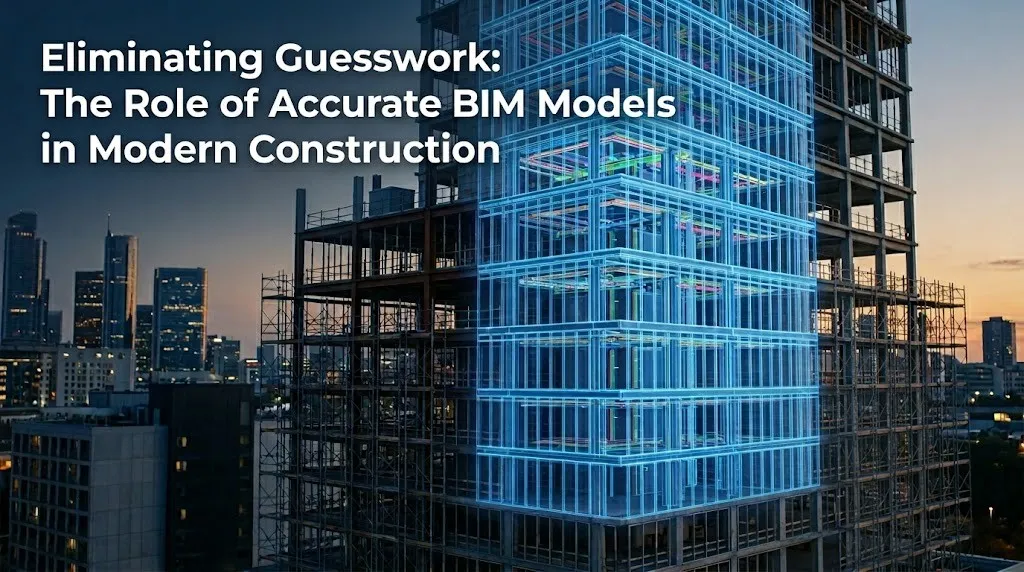
In the 21st century, digital design and fabrication technologies have ushered in a new era of prefabricated building innovation. Computer-aided design (CAD), Building Information Modeling (BIM), and parametric design software allow architects to create complex geometries and intricate structures with precision and efficiency. Meanwhile, advanced manufacturing techniques such as 3D printing and robotic fabrication enable the rapid production of custom-designed building components.
Sustainable Solutions:
Today, sustainability is a driving force behind the evolution of prefabricated building technologies. Prefabrication allows for greater control over material usage, waste reduction, and energy efficiency, making it inherently more environmentally friendly than traditional construction methods. Additionally, modular construction systems enable buildings to be easily disassembled, relocated, and repurposed, reducing their carbon footprint and promoting a circular economy.
Prefabricated Building Innovations:
From modular skyscrapers to prefabricated eco-villages, the possibilities of prefabricated building technologies are virtually limitless. Innovations such as cross-laminated timber (CLT), precast concrete panels, and off-site manufacturing hubs have opened up new avenues for architectural expression and sustainable design. Prefabrication is no longer just a means of mass production; it is a platform for creativity, innovation, and excellence in construction.
Conclusion:
The evolution of prefabricated building technologies represents a paradigm shift in the way we design, construct, and inhabit the built environment. From humble beginnings to cutting-edge innovations, prefabrication has proven to be a versatile and transformative construction method capable of delivering architectural marvels with efficiency, precision, and sustainability. As technology continues to advance and the demand for sustainable solutions grows, the future of prefabricated building technologies looks brighter than ever.


























Sign in to leave a comment.