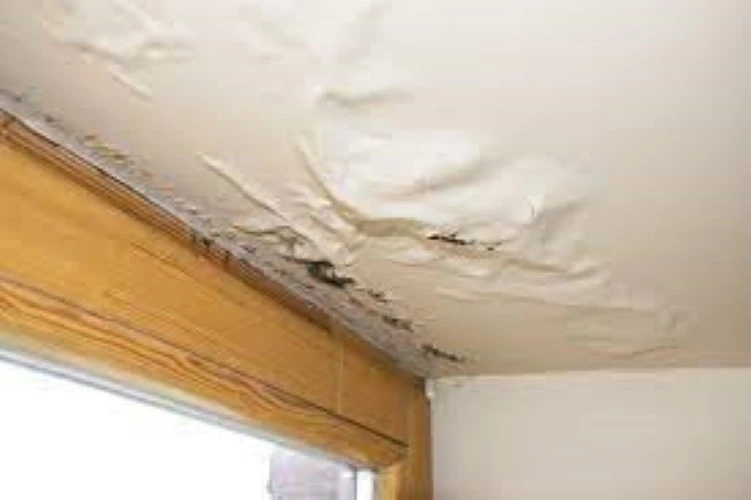

Finding dark mold stains in and around the foundation of our home might come as quite a shock to most of us. Even while a few little spots here and there won't significantly affect your health, if you ignore them, they can grow alarmingly quickly. This spread of mold is precisely something that many health professionals are concerned about. Specifically because of the adverse effects it can have on an individual's health.
Thus, it is recommended that you act fast if you discover mold in and around your home's foundation, especially if mold is on the walls and floors. Mold can easily trigger diseases in your respiratory system and even damage any furniture or household items it comes in contact with.
Therefore, mold removal is crucial if you want to live in a healthy and safe house. One that won't compromise your lungs. So, the primary issue is: how can you get rid of mold? Can you do it on your own? Keep reading our article to find out.
Can you remove mold yourself from your home's floors and walls?
You can, but since mold spores can travel through the air, you should wear protective gear to reduce your exposure when cleaning. Wearing long rubber gloves will protect your hands and forearms. Use eye protection, such as goggles, while removing mold from ceilings or other high spots to prevent bleach or other cleaners from splashing your eyes.
If there are multiple substantial mold issues, this indicates a more significant moisture problem. If the area is more extensive and covers a space more than 2 x 2 feet, you should get a professional to remove it gently without causing any harm o your home and your belongings.
Fortunately, with standard household cleaning tools, mold can be removed and prevented from returning. Most homeowners' worst nightmares are mold and mildew. As we've previously stated, having mold on your walls or in other areas of your house, such as the floors or carpets, is detrimental to your health. Therefore, it's imperative to deal with the root of the issue.
What exactly are mold and mildew, and how do they occur in houses?
Mold
Mold is a kind of fungus that develops from airborne spores. Loft spaces and bathrooms in homes are typically affected by mold since these areas are frequently warm, damp, and poorly ventilated. The sole causes of mold on the walls generally are moisture and an absence of air. However, occasionally, plumbing leaks from the building's interiors or outside may be to blame. Heating insufficiently insulated lines can also contribute to moisture buildup, particularly behind the walls.
Mildew
Mildew is the name given to the type of black mold that develops most frequently on walls. These blotches may gradually expand to cover more extensive areas if left untreated. If you want to check your house for mildew, use a cloth and bleach on the affected site. If the black patches disappear after some time, mildew is most certainly there. If not, the area probably has dirt, and you must get on top of your housekeeping skills.
Why do people have mold in their bedrooms?
If your bedroom walls are covered in mold, it might be a big problem. Condensation or high humidity, commonly a result of the weather, is the leading cause of bedroom mold. Additionally, poor ventilation and air moisture may contribute to it. Examine the bedroom for drainpipe or window cracks that could be causing water to collect there.
Mold removal from the floors and walls: how you can do it
A word of caution: since mold can cause allergic responses and other health problems, it may be best to get expert help if you have a significant mold problem on your walls. When working in a constrained space, put on safety goggles, gloves, and a face mask since touching the spores can be harmful. Use a fan or open the windows while you are working.
Make a mixture of bleach and water.
Generally, this is one part bleach to three parts water; you can also buy washing detergent. Another helpful product is bleach spray, which has bleach as an ingredient.
Scrub the affected area.
Put up a little extra effort. For best results, scrub the area with a stiff-bristled brush.
Rinse and thoroughly dry.
With water and a towel, thoroughly rinse the area. Ensure it is scorched before returning to it for a second scrub.
There are products designed specifically to remove mold and mildew from walls that could be more efficient if this doesn't work. Remember that mixing cleaning products might lead to dangerous chemical reactions, so always be careful.
Conclusion
If you do have a mold issue in your home, the best option would be to call the professionals to come in and take care of the problem. Zavza Seal LLC is a professional contracting business that can do this for you. Visit their website to learn more.
Sign in to leave a comment.