
Building a fantasy sports app is not only about giving users a place to create teams and follow matches. A successful app also needs a clear way to make money while keeping the experience enjoyable for users. If the monetization strategy is poorly planned, users may lose interest quickly. But when revenue methods are chosen carefully, an app can generate steady income without making the platform feel overloaded with ads or unnecessary charges.
There are several ways fantasy sports platforms can earn money. The right option depends on the target audience, sports covered, location, local laws, and overall business model. Let’s look at some of the most common monetization models.
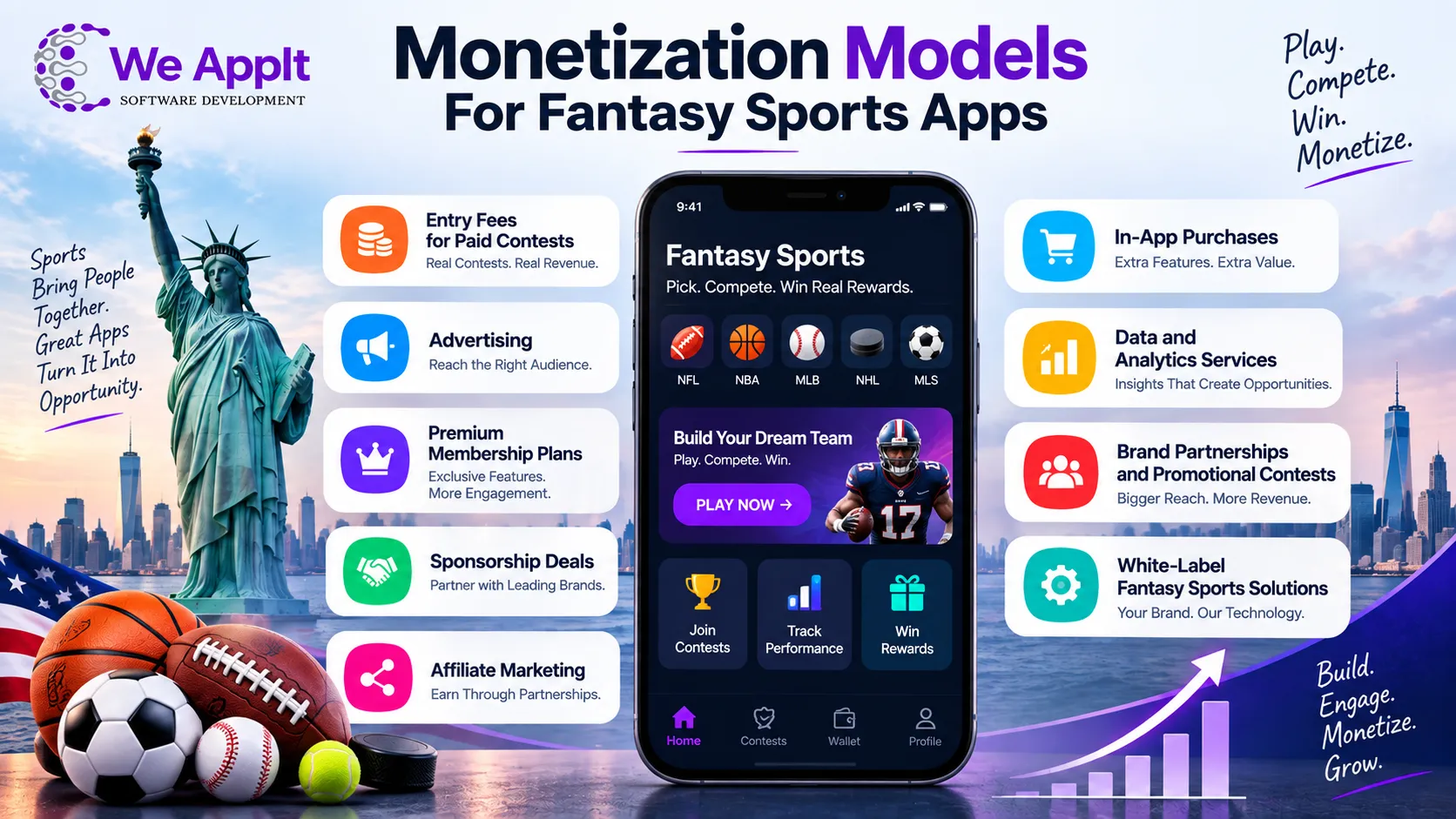
1. Entry Fees for Paid Contests
Paid contests are one of the most common revenue sources for fantasy sports platforms. Users pay an entry fee to join a contest, and the platform keeps a small percentage as a service or platform fee.
For example, suppose 1,000 users join a contest with an entry fee of ₹100. The total entry amount becomes ₹1,00,000. A portion can be distributed as prize money, while the remaining amount can be the platform's revenue, subject to applicable laws and regulations.
This model can generate good revenue when an app has a large and active user base. However, operators need to clearly explain entry fees, prize structures, withdrawals, and other charges to avoid confusion.
2. Advertising
Advertising is another simple way to generate income. Fantasy sports apps can display banners, short video ads, sponsored content, or promotional messages.
Ads can be placed on screens where they do not disturb important actions such as team creation or live match tracking. For example, an app could show an advertisement between different sections instead of displaying pop-ups during an important match update.
The biggest challenge is balance. Too many advertisements can make the app frustrating to use. A fantasy sports app development company should consider ad placement as part of the user experience instead of treating advertising as an afterthought.
3. Premium Membership Plans
A premium membership can give users access to additional features in exchange for a monthly or yearly payment.
Premium features could include advanced player statistics, detailed match analysis, expert insights, team suggestions, performance history, or an ad-free experience. The free version can continue offering the basic fantasy sports experience, while paid users receive extra tools.
This model works especially well when the premium features provide real value. Users are unlikely to pay simply because a feature is locked. They need to understand how the paid plan can improve their experience.
4. Sponsorship Deals
Sports have a huge audience, which makes fantasy sports platforms attractive to brands. Apps can work with sponsors to promote products, services, tournaments, or special campaigns.
A company could sponsor a particular contest, match section, leaderboard, or promotional event. For example, a sports brand may sponsor a special contest during a major tournament.
Sponsorship can become a strong source of revenue as the app's audience grows. It also gives brands a direct way to reach sports fans.
5. Affiliate Marketing
Affiliate marketing allows an app to earn a commission by promoting relevant products or services from other businesses.
For example, a fantasy sports platform could promote sports merchandise, streaming services, tickets, sports equipment, or other relevant offerings. If users make a purchase through a tracked referral, the app receives a commission.
The important point is relevance. Promoting unrelated products can reduce user trust. The offers should fit naturally with the interests of sports fans.
6. In-App Purchases
In-app purchases can provide another revenue stream. Users may be offered optional digital features, tools, or other non-essential upgrades.
For example, an app could offer additional statistical tools, special team-analysis features, personalized reports, or other premium digital services.
These purchases should remain optional. The basic experience should not feel intentionally broken just to force users into spending money.
7. Data and Analytics Services
Fantasy sports apps collect large amounts of sports-related information, such as player performance, match statistics, team records, and user engagement patterns. With proper privacy practices and applicable permissions, this information can support analytics products.
For example, sports organizations, advertisers, or media businesses may find aggregated and properly handled insights useful.
However, user privacy should always come first. Personal information should not be sold or shared casually. Businesses need to follow applicable privacy laws and clearly explain how user data is handled.
8. Brand Partnerships and Promotional Contests
Another option is to work with brands to create special promotional contests. A brand can provide prizes or sponsorship money, while the fantasy platform handles the contest experience.
For instance, during a major cricket tournament, a consumer brand could sponsor a special fantasy challenge. Users may participate for promotional rewards, while the brand gets visibility among sports fans.
These campaigns can also increase user engagement and bring new people to the platform.
9. White-Label Fantasy Sports Solutions
Not every business wants to build a fantasy sports platform from the ground up. Some companies may prefer a ready-made solution that can be customized with their own branding and business requirements.
This creates an opportunity for companies providing fantasy sports technology to earn through licensing, setup fees, customization, maintenance, and other services.
For a business entering this market, working with a reliable fantasy sports app development company can make it easier to plan the technical structure, payment system, user features, and revenue model around its specific goals.
Choosing the Right Monetization Model
There is no single monetization strategy that works for every fantasy sports app. A platform targeting casual users may depend more on advertising and premium memberships, while a competitive platform may focus on contest-based revenue.
It is also possible to combine several models. For example, an app could offer a free version supported by advertisements, a premium subscription for advanced features, and sponsored contests during major tournaments.
The key is to avoid adding too many revenue methods at the beginning. Start with a model that fits the audience and test how users respond. Analytics can then help identify which features generate revenue and which ones affect user retention.
User Experience Should Come First
A common mistake is to focus heavily on revenue and forget about the people using the app. If users constantly see advertisements, confusing charges, or aggressive payment prompts, they may stop using the platform.
A good monetization strategy should feel natural. Users should understand what they are paying for, what they receive in return, and whether a feature is optional.
This is where product planning becomes important. We AppIt Right, for example, can be considered when businesses are planning the technical and business side of a fantasy sports platform, from core functionality to revenue-focused features.
Final Thoughts
Fantasy sports apps have several opportunities to generate revenue, from paid contests and advertisements to subscriptions, sponsorships, affiliate partnerships, and premium features. The best approach is not necessarily to use every model available. Instead, businesses should choose methods that match their users and provide genuine value.
Before development begins, it is worth deciding how the app will make money, who will pay, what they will receive, and how the model will affect the overall user experience. A fantasy sports app development company can help turn these ideas into practical features while keeping scalability and business goals in mind.
We AppIt Right can also be part of that planning process when a business wants to build a fantasy sports product with a clear revenue strategy.
In the end, sustainable monetization comes from creating a platform that users actually want to keep using. When the product provides a good experience and the revenue model is transparent, both user growth and business growth become easier to manage.


























Sign in to leave a comment.