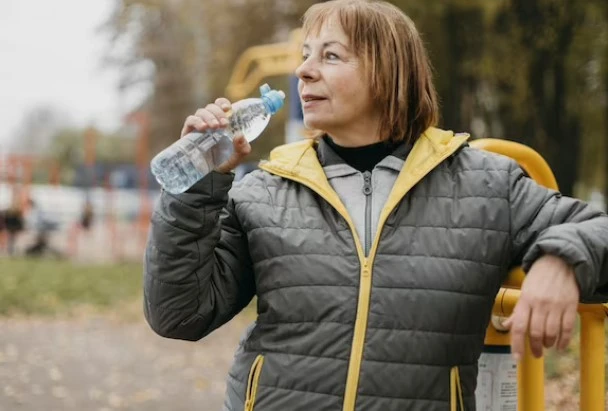

Are you drinking enough water?
When the weather is hot and humid, many people have symptoms of dehydration. Humidity contributes to an already uncomfortable level of heat. In fact, with 65% relative humidity, a temperature of 320 degrees Celsius might feel more like 380 degrees.
We have an internal thermostat that keeps our core temperature at a steady 370 degrees Celsius. Sweating is a kind of thermoregulation that our bodies use when the temperature outdoors rises over a comfortable range. Sweat cools the body by evaporating when it comes into touch with air.
Yet, during the monsoon, when humidity levels are at their highest, the moisture in the air prevents perspiration from evaporating, leaving you feeling hot and sticky. Because of the increased effort required, internal body temperature rises.
The significance of hydration
Seventy percent of our body weight is water, most of which is found in our cells. The loss of water and essential nutrients from the cells causes fatigue, lethargy, and dizziness from dehydration. Anybody, regardless of age, may get dehydrated in the monsoon. Consequently, it is crucial to replace the body's mineral balance and maintain a normal temperature by drinking enough mineral water.
People tend to drink more coffee and tea than water during the monsoon, so they may not realize how little water they have really drunk. Dehydration symptoms, such as dizziness and muscular cramps, may mask their severity. Problems including amnesia, disorientation, and blurred vision1 may occur with as little as a 2% drop in body water weight. A healthy adult requires between two and three liters of water every day.











Sign in to leave a comment.