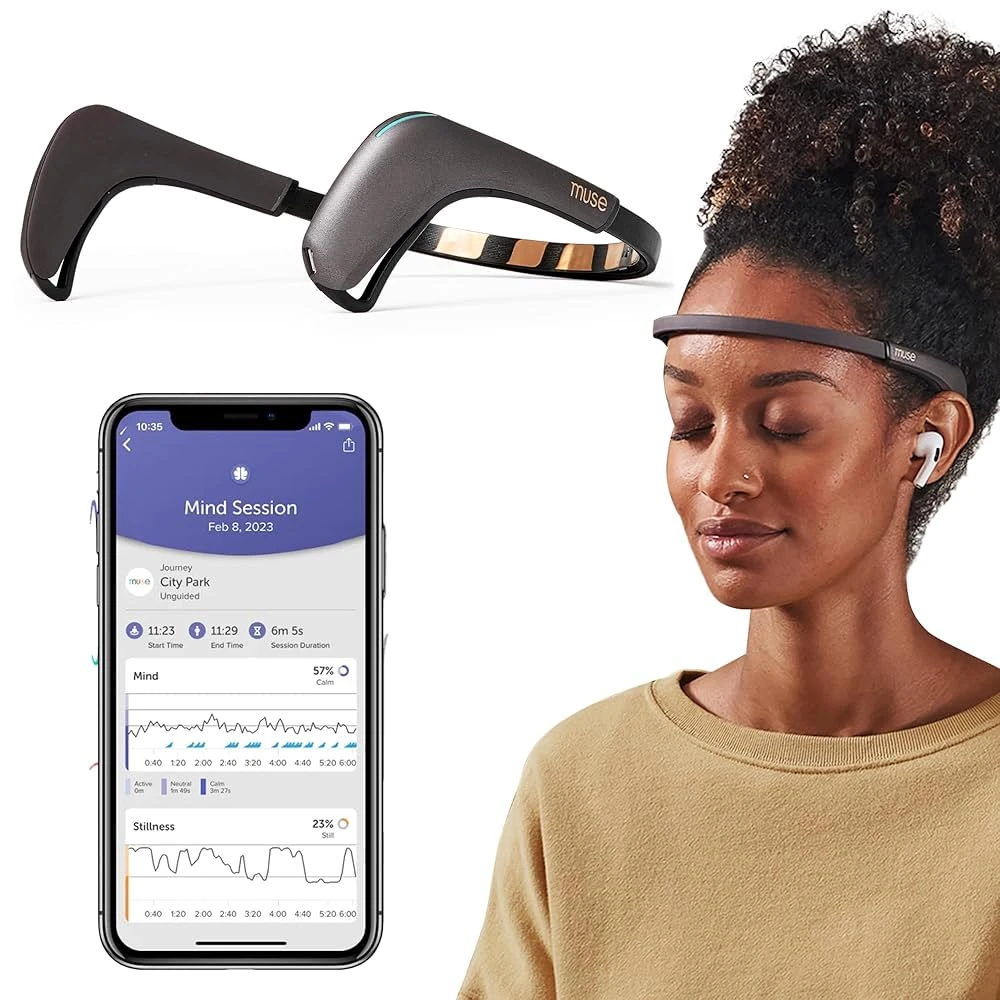
In today’s fast-moving world, technology is not only about making our lives easier but also about helping us understand ourselves better. One of the most fascinating inventions in recent years is the mood sensing headband. This wearable device is designed to read your emotions and provide insights into your mental and emotional state. Unlike ordinary gadgets, it focuses on your inner well-being and uses advanced sensors to track your brain activity and body signals.
The mood sensing headband can detect when you are stressed, relaxed, happy, or distracted. It works by capturing signals from your brain, heart rate, and skin responses, then processes the data using artificial intelligence. The results are shown on a connected app or device, giving you a clear picture of your current mood.
This innovation is more than just a trend. It is a step toward making mental health and emotional wellness part of everyday life. People often ignore their emotions until they become overwhelming, but with a mood sensing headband, you can become aware of your feelings in real time. Whether you are a student, a working professional, an athlete, or simply someone interested in self-care, this device can benefit you in many ways.
In this article, we will explore how mood sensing headbands work, their benefits, their uses, challenges, future potential, and tips for choosing the right one. By the end, you will have a complete understanding of this unique technology.
How Mood Sensing Headbands Actually Work
A mood sensing headband may look like a simple accessory, but inside it holds powerful technology. The headband is equipped with special sensors that track your body’s natural signals. These sensors usually include EEG (electroencephalography) sensors that monitor brain wave activity, heart rate sensors, and sometimes skin conductivity sensors.
When you wear the headband, it collects data from your body and brain. For example, brain waves change based on your mental state—relaxed, focused, or stressed. Heart rate also varies depending on emotions, and skin temperature can shift with anxiety or excitement. All these signals are sent to a small computer system inside the headband.
The device then uses artificial intelligence (AI) to analyze this information. Within seconds, it can identify patterns and match them to specific emotions like happiness, stress, calmness, or sadness. The results are displayed on your smartphone or computer app, often in easy-to-read graphs and notifications.
Some mood sensing headbands even offer real-time feedback. If they detect stress, they may vibrate lightly or send you an alert asking you to take a deep breath. Others come with guided meditation sessions or relaxation exercises that start automatically when stress levels rise.
This technology does not just guess your feelings—it is backed by neuroscience and data processing. The more you use the headband, the better it learns about your unique emotional patterns. Over time, it can even predict how you might feel in certain situations, helping you prepare in advance.
Benefits of Using Mood Sensing Headbands
A mood sensing headband offers many benefits that can improve both mental and physical health. One of the biggest advantages is emotional awareness. Many people go through their day without realizing how stressed or distracted they are. This device helps bring those hidden emotions to the surface so you can take control of them.
Another major benefit is stress management. In today’s world, stress is common among students, professionals, and even homemakers. A mood sensing headband detects stress early and suggests ways to reduce it. This could be through breathing exercises, meditation, or simply taking a short break. By managing stress at the right time, you can avoid burnout and health problems.
Sleep improvement is another powerful benefit. Poor sleep often comes from racing thoughts and hidden stress. Mood sensing headbands track your brain activity and guide you into relaxation before bedtime. Some even play calming sounds or give meditation guidance to help you sleep better.
For fitness lovers, these headbands can show how workouts affect emotions. Exercise is known to improve mood, but sometimes overtraining can cause fatigue and stress. By monitoring emotional patterns, you can adjust your workout routine for maximum benefit.
In workplaces, employers are using mood sensing headbands to support employee wellness. Happier employees are more productive, and tracking emotional well-being can help create healthier work environments. Similarly, in schools, teachers can use these devices to understand students’ stress levels and make learning more effective.
Overall, mood sensing headbands make emotional health a daily priority, just like physical health.
Popular Uses of Mood Sensing Headbands
The mood sensing headband has a wide range of uses across different areas of life. One of the most common uses is in meditation and mindfulness. People often struggle to know whether their meditation is truly effective. With a headband, you can get real-time feedback on your mental state, which makes meditation easier and more effective.
In the field of fitness and sports, athletes use these devices to measure how workouts affect their emotions. For example, a runner may discover that long-distance runs boost relaxation, while intense sprint training causes stress. With this knowledge, athletes can balance their training for both performance and emotional well-being.
Healthcare is another important area. Doctors and therapists are using mood sensing headbands to support patients dealing with anxiety, depression, or stress. The device provides real-time emotional data, which helps in designing better treatments.
In education, mood sensing headbands are helping teachers understand how students feel during classes. If students show signs of stress or distraction, teachers can change their approach. This makes learning more engaging and effective.
Workplaces are also adopting this technology. Employee wellness programs now include mood sensing headbands to monitor stress levels during long hours of work. Employers can use the information to promote better breaks, relaxation sessions, and work-life balance.
Even entertainment is being shaped by mood sensing headbands. Some video games and music apps can adjust content based on your mood. Imagine a game that becomes more exciting when you are focused or calming music that plays when you are stressed. This creates a personalized experience for users.
Challenges and Limitations of Technology
While the mood sensing headband is a revolutionary invention, it is not perfect. One of the main challenges is accuracy. Human emotions are extremely complex, and no machine can fully capture them yet. Sometimes the headband may give incorrect readings if the sensors are not placed properly or if there is too much movement.
Another limitation is comfort. Although most devices are designed to be lightweight, wearing a headband for long periods can feel uncomfortable for some users. This is especially true during sleep or exercise.
Privacy is also a big concern. The headband collects very personal information about your emotions and mental state. If this data is not protected properly, it could be misused by companies or hackers. Users need to make sure they buy devices from trusted brands that follow strict privacy policies.
Cost is another challenge. High-quality mood sensing headbands are expensive, which makes them less accessible to everyone. Over time, prices may come down as the technology becomes more common, but right now affordability is still an issue.
Another limitation is cultural acceptance. Some people may feel uncomfortable with the idea of a device reading their emotions. Others may doubt the usefulness of such technology. This means awareness and education are important for widespread adoption.
Despite these challenges, researchers are working hard to improve accuracy, comfort, and affordability. As the technology develops, many of these limitations will be reduced or eliminated.
The Future of Mood Sensing Headbands
The future of the mood sensing headband is full of exciting possibilities. As technology continues to grow, these devices will become smaller, smarter, and easier to use. Instead of looking like a traditional headband, future versions may be built into hats, headphones, or even smart glasses.
Artificial intelligence will play a bigger role. The more data the AI collects, the more accurate it becomes at predicting emotions. This means future mood sensing headbands may not just detect your current feelings but also predict your future moods. For example, the device could warn you in the morning that you might feel stressed later in the day and suggest preventive steps.
In healthcare, mood sensing headbands could become a standard tool for doctors and therapists. They may be used to track patients remotely, providing continuous updates on emotional well-being. This will make mental health care more effective and accessible.
In education, these devices may help create personalized learning experiences. If a student shows signs of boredom, the teaching method could be changed instantly. Similarly, workplaces may use them to design healthier, stress-free work environments.
The integration of mood sensing headbands with virtual reality (VR) and augmented reality (AR) is another exciting future application. Imagine playing a VR game that adjusts its environment based on your emotions or attending a virtual meeting where your emotional state is monitored to improve communication.
Overall, the future of mood sensing headbands will transform the way we interact with technology and understand our emotions.
How to Choose the Right Mood Sensing Headband
With so many options in the market, choosing the right mood sensing headband can be confusing. The first thing to check is accuracy. Look for a headband that uses high-quality sensors and has good reviews from users. Accuracy is the most important feature of this device.
Comfort is the second factor. Since you may need to wear the headband for long periods, make sure it is lightweight, adjustable, and made of soft materials. Comfort can make a big difference in how often you use the device.
Battery life is another important point. A good headband should last for at least a full day without charging. Some models also offer fast charging, which is useful for people who travel a lot.
Check app compatibility as well. Most mood sensing headbands come with apps that display your emotional data. Choose one that works well with your smartphone and offers extra features like meditation guides, sleep tracking, or relaxation exercises.
Finally, consider privacy and security. Make sure the company has strong policies to protect your emotional data. Since this is very personal information, data safety should always be a top priority.
By keeping these factors in mind, you can choose a mood sensing headband that matches your needs and gives you the best experience.
Conclusion
The mood sensing headband is more than just a gadget—it is a tool that connects technology with human emotions. It helps people understand their feelings, manage stress, improve sleep, and live healthier lives. From meditation and fitness to healthcare, education, and entertainment, its applications are wide and growing.
Although challenges like accuracy, comfort, and privacy still exist, the future looks bright. With continuous improvements in artificial intelligence and wearable technology, mood sensing headbands will become more accurate, affordable, and user-friendly.
In simple words, the mood sensing headband is not just about tracking emotions—it is about building a future where emotional well-being is given as much importance as physical health.
Frequently Asked Questions (FAQs)
Q1. What is a mood sensing headband?
A mood sensing headband is a wearable device that uses sensors and AI to read your brain and body signals, showing your emotions in real time.
Q2. Can a mood sensing headband reduce stress?
Yes, these devices detect stress early and suggest ways like breathing exercises and meditation to help you relax.
























Sign in to leave a comment.