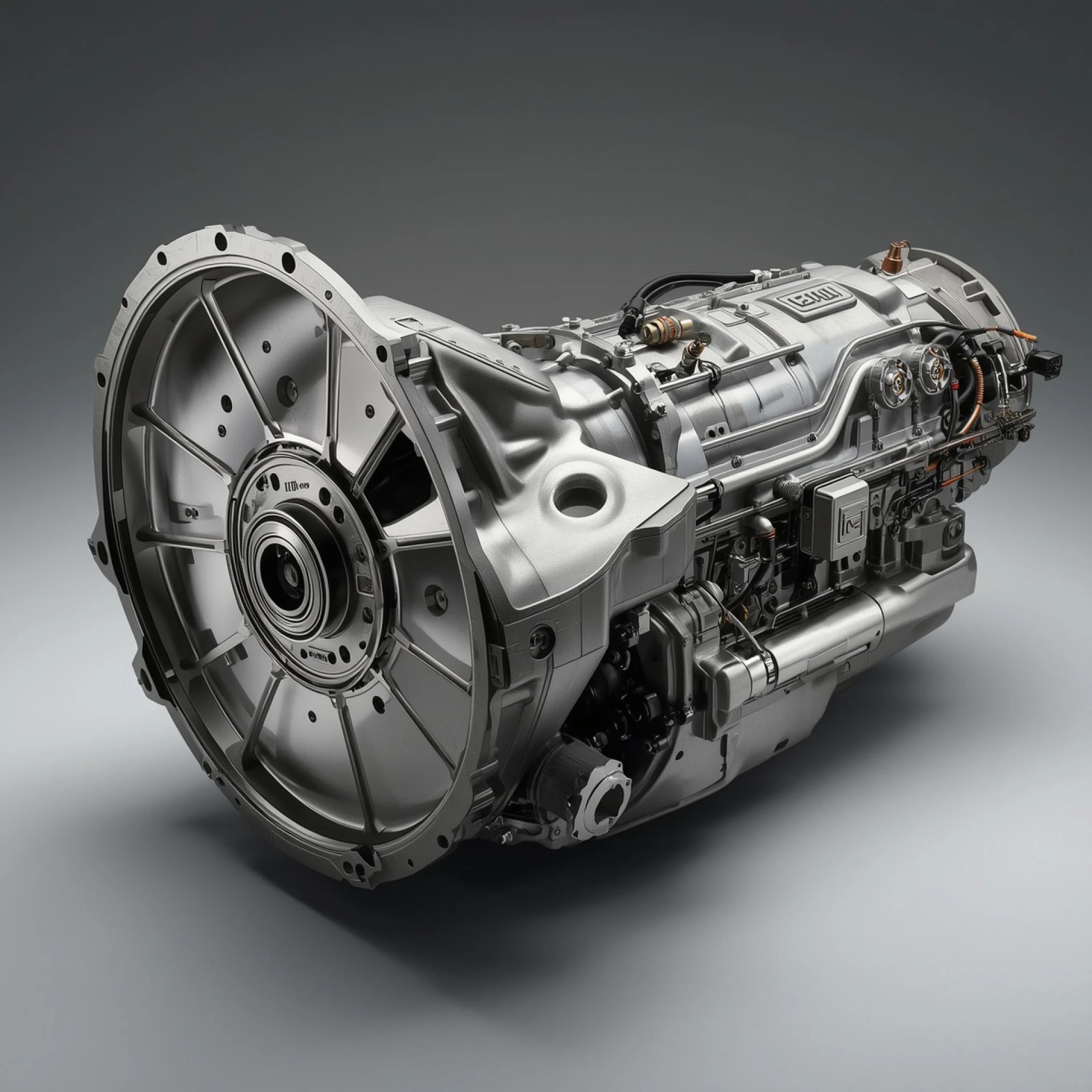

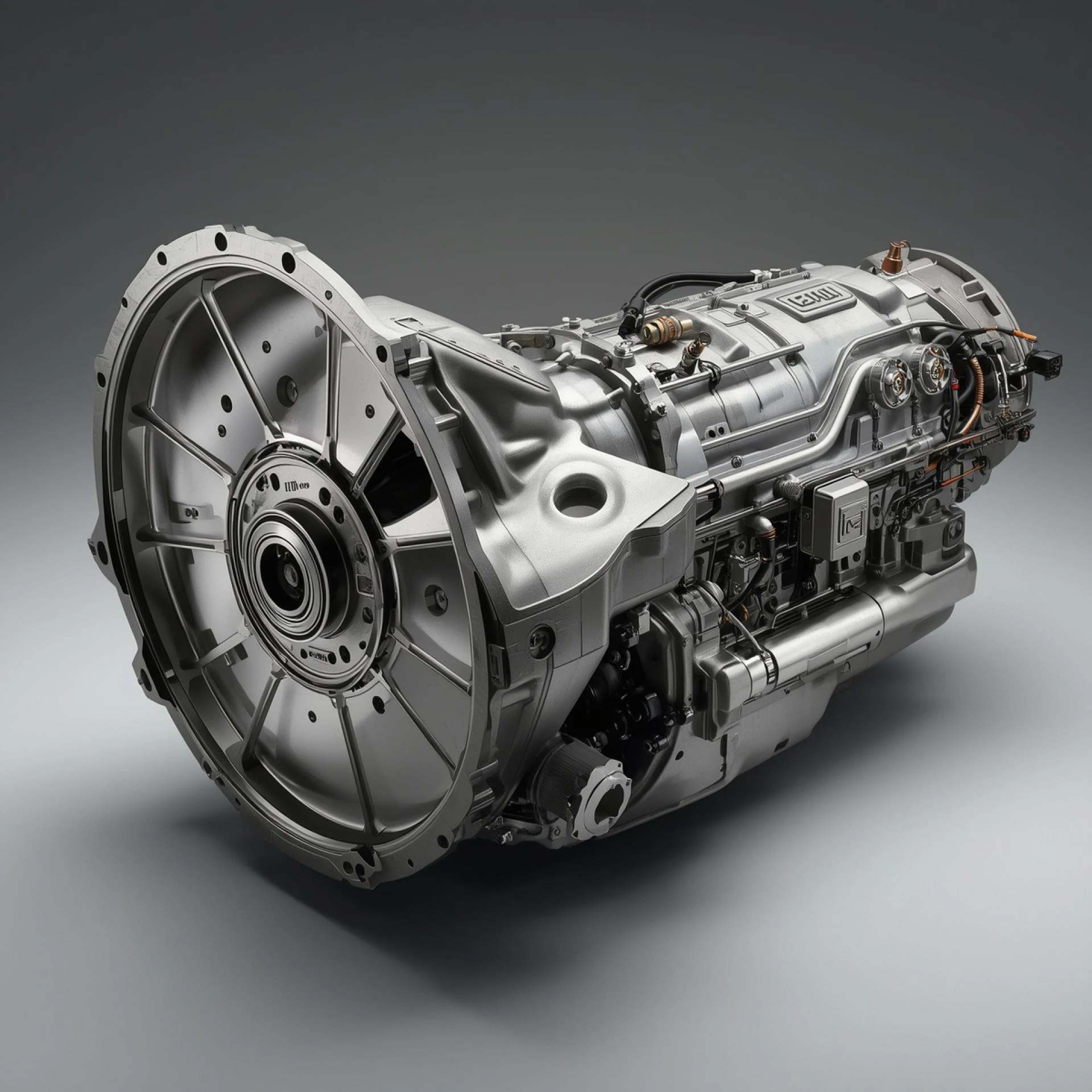
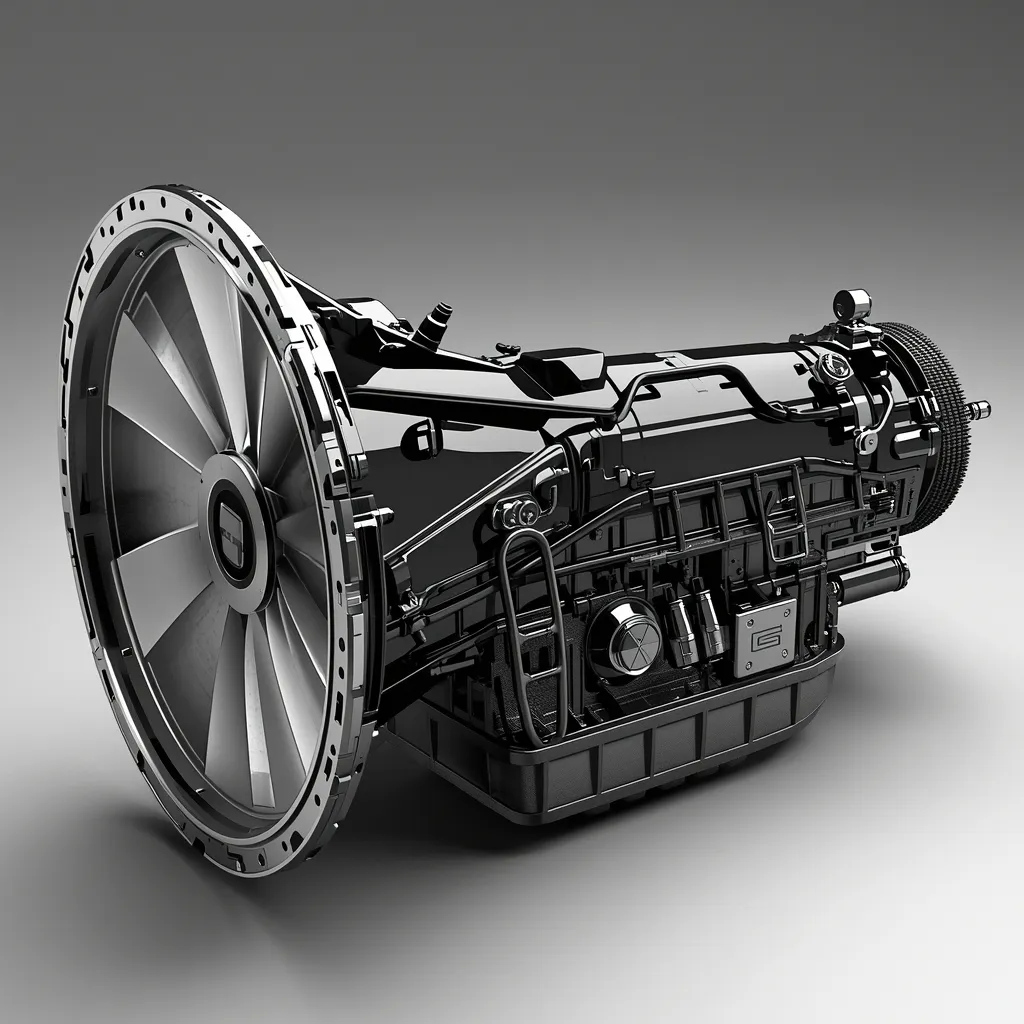
The C4 Transmission, introduced by Ford in 1964, remains a mechanical icon that thrives in an era dominated by digital drivetrains. Its appeal stems from its simplicity—an unembellished three-speed automatic built without electronics, overdrive, or unnecessary complexity. With a cast-iron bellhousing and lightweight aluminum case, the C4 offered a rare blend of strength and practicality, capable of absorbing the torque of Ford’s V8 engines while maintaining smooth, consistent shifts through its vacuum modulator and flexible band system.
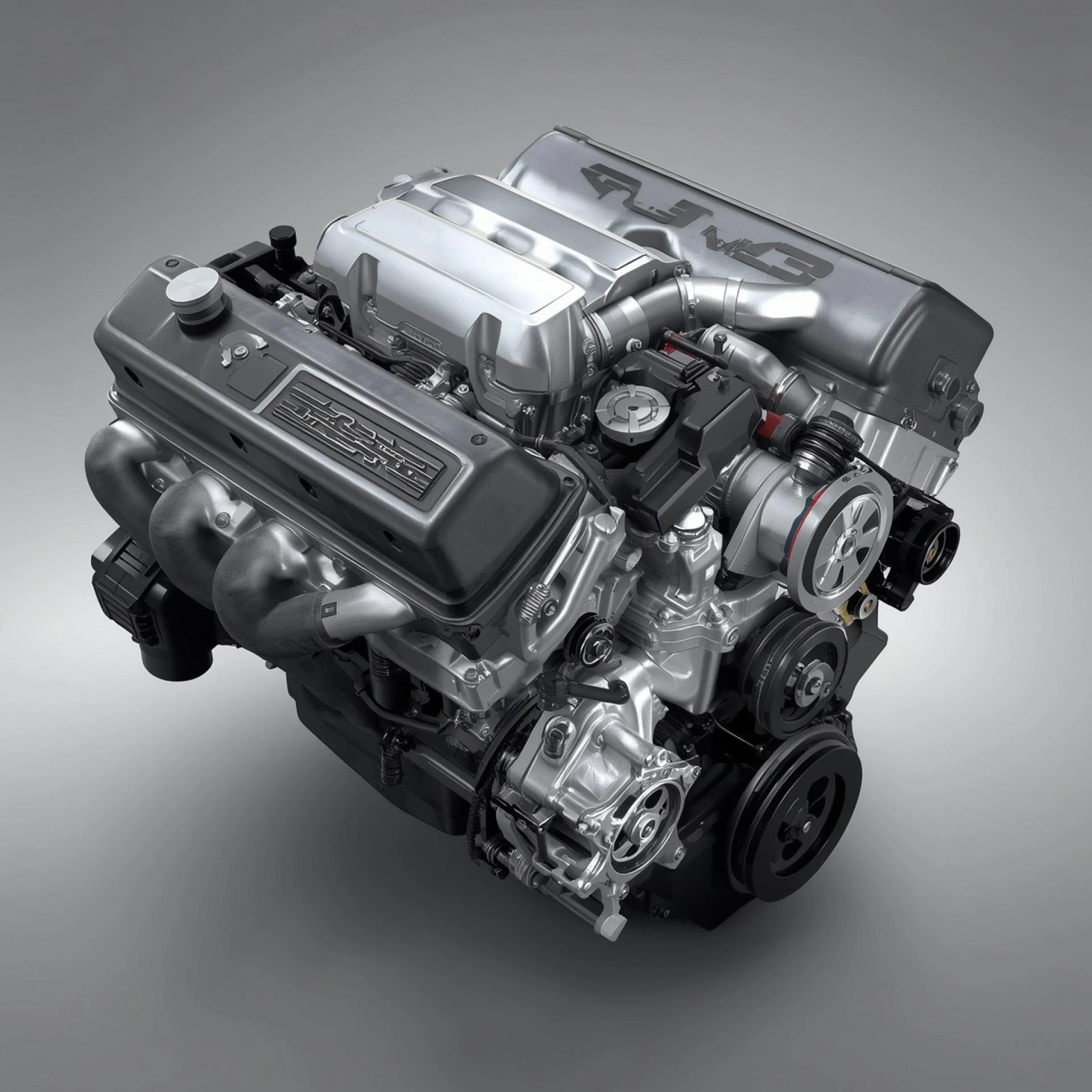
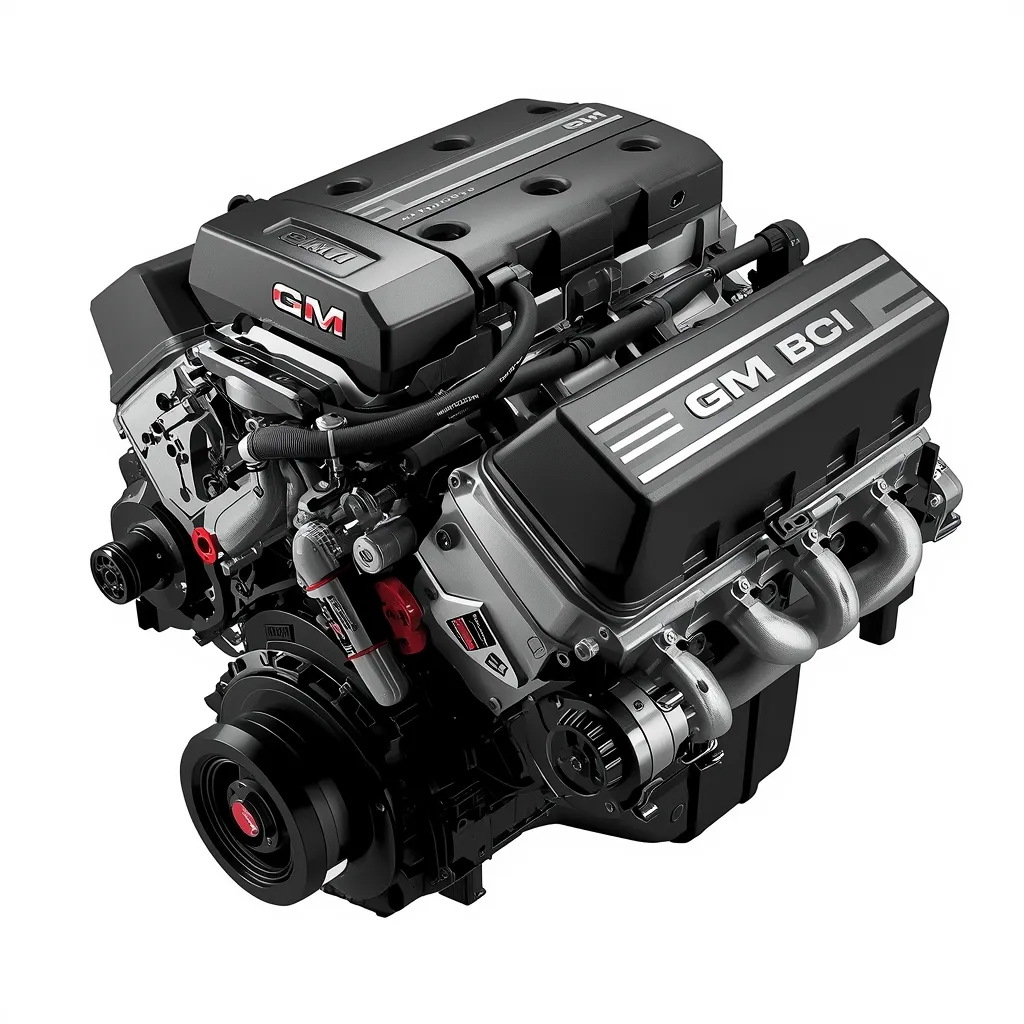
Despite modern advancements, the C4 enjoys renewed popularity among restorers, drag racers, and enthusiasts who value analog reliability. Its modular nature allows seamless pairing with crate engines, restomods, and custom builds, extending far beyond Ford platforms through aftermarket bellhousings. Variants like the Green Dot, SelectShift, and Pan-Fill expanded its adaptability throughout its production years.
A resurgence in rebuilds highlights its modern relevance. Mechanics appreciate the C4’s approachable internals—free from proprietary software—and upgrade them with contemporary components such as Kevlar bands, modern valve bodies, and high-stall converters. In drag racing, its light rotating mass, crisp shifting, and ability to handle high torque make it a favored weapon compared to heavier transmissions like the C6.
Key specifications—2.46/1.46/1.00 gearing, around 110–120 lbs dry weight, and up to 500 ft-lbs torque capacity when built—underscore a design meant for balance rather than brute force. Even as the automotive world shifts toward electrification, the C4 remains a beloved artifact of mechanical purity, valued for its tactile feel and tuneability. Whether powering a classic Mustang or launching a dragster, the C4 Transmission endures as a symbol of mechanical storytelling in a digital age.



























Sign in to leave a comment.