
The horns of a motorcycle are an essential safety feature that allows the rider to communicate with other road users by producing a loud sound. They are typically used to alert others of the motorcycle's presence, signal warnings or requests, and avoid potential accidents. In this comprehensive discussion, we will explore the different types of motorcycle horns, their functionality, installation, legal regulations, and maintenance.
Types of Motorcycle Horns
There are several types of horns used on motorcycles, including:
Electric Horns:Electric horns are the most common type of horns used in motorcycles. Electrical currents power them and typically produce a loud, attention-grabbing sound. Electric horns are compact and are usually mounted on the front of the motorcycle, near the handlebars. Air Horns:Air horns use compressed air to produce a loud and powerful sound. They are typically larger and require a separate air compressor to function. Air horns are known for their deep and resonant sound, which can be heard longer distances than electric horns. Air horns are commonly used on larger motorcycles or touring bikes. Dual-Tone Horns:Dual-tone horns are electric horns that simultaneously produce two different frequencies or tones, creating a more distinctive and attention-grabbing sound. These horns are often used when a louder and more prominent horn is required, such as in heavy traffic or emergencies.The functionality of Motorcycle Horns
The primary function of a motorcycle horn is to alert other road users of the motorcycle's presence and communicate warnings or requests. Motorcycle horns are typically used in the following situations:
Avoiding Accidents: Motorcycle horns are used to warn other road users, such as drivers of cars, trucks, or pedestrians, of the motorcycle's presence and to prevent potential accidents. For example, a horn can alert a driver who might have not noticed the motorcycle's presence while changing lanes or turning.
Signalling Warnings: Motorcycle horns can signal warnings to other road users, such as when there is an obstacle on the road, a potential danger ahead, or an emergency. The horn can help alert others and prompt them to take necessary action to avoid mishaps.
Requesting Right of Way: Motorcycle horns can be used to request the right of way from other road users, such as when merging into traffic, navigating through intersections, or passing slower vehicles. A short beep from the horn can signal to others that the motorcycle intends to make a manoeuver and needs cooperation from other road users.
Legal regulations regarding the horns of motorcycles
Motorcycle horns are subject to legal regulations in many countries to ensure proper usage and avoid unnecessary noise pollution. The regulations regarding motorcycle horns may vary depending on the jurisdiction, but common regulations include the following:
Maximum Sound Level:The maximum allowable sound level for motorcycle horns is usually measured in decibels (dB). The maximum sound level may vary depending on the country or region. Still, it is generally set at a level loud enough to be heard by other road users without causing excessive noise pollution.
Horn Tone:Some jurisdictions may regulate the tone or pitch of motorcycle horns to avoid confusing other road users. For example, sirens or horn tones that mimic emergency vehicles may be prohibited to prevent misuse or confusion.
Proper installationMotorcycle horns should be installed in a way that does not obstruct the rider's visibility or interfere with the motorcycle's operation. Following the manufacturer's instructions and any applicable regulations when installing a motorcycle horn is important.
The places where horns are restricted
Here are some public places where motorcycle horns are typically not allowed or frowned upon:
HospitalsResidential areasSchools and educational institutionsPlaces of worshipLibraries and museumsFuneralsMaintenance of motorcycle horns
Proper maintenance of motorcycle horns is essential to ensuring their reliable operation and longevity. Here are some maintenance tips for motorcycle horns:
Regular Cleaning: Motorcycle horns are exposed to various environmental factors, such as dust, dirt, and moisture, affecting their performance. Regularly clean the horn with a soft cloth or brush to remove accumulated dirt or debris. Avoid using harsh chemicals or abrasive materials that may damage the horn.
Check for Loose Connections: Ensure that the electrical connections to the horn are tight and secure. Loose connections can result in poor horn performance or complete failure. If you notice any loose connections, tighten them or replace damaged wires to ensure proper electrical flow to the horn.
Test the Horn: Regularly test your motorcycle horn to ensure it functions properly. Press the horn button and listen for a loud and clear sound. If the horn produces a weak or distorted sound, it may indicate a problem with the horn or the electrical system. In such cases, consider getting the horn checked by a professional mechanic.
Check for corrosion: Corrosion can occur on the horn terminals and connections due to exposure to moisture or other environmental factors. Check for any signs of corrosion and clean it using a mild corrosion cleaner or a mixture of baking soda and water. Rinse and dry the horn thoroughly after cleaning to prevent further corrosion.
Protect from Water and Moisture: Motorcycle horns are susceptible to damage from water and moisture. During rainy or wet conditions, protect the horn from direct exposure to water by covering it with a waterproof material or relocating it to a more sheltered area of the motorcycle. Avoid pressure-washing the horn or riding through deep water, as it can damage the horn and affect its performance.
Check Horn Mounting: Ensure the horn is securely mounted on the motorcycle. Vibrations from riding can cause the horn to become loose over time. Regularly check the mounting bracket, bolts, and other hardware and tighten them as needed. If the mounting bracket or hardware is damaged or missing, replace them promptly.
Replace Faulty Horns: If your motorcycle horn is consistently not working properly despite proper maintenance, it may be time to replace it. Faulty horns can compromise your safety on the road, so it's always important to have a functioning horn. Consult your motorcycle manufacturer's guidelines or seek professional assistance in choosing and installing a new horn.
Conclusion
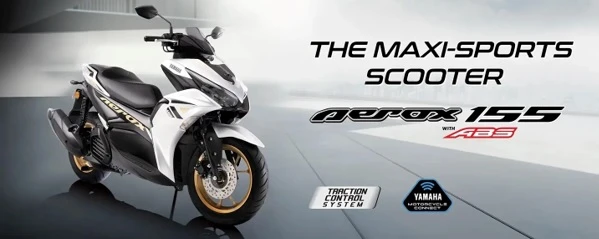
If you plan to purchase a new motorcycle, the Yamaha aerox scooter price can be an important consideration. Go for the Yamaha Aerox and attach any horn for your safety.

























Sign in to leave a comment.