

Moving to another province can be an exciting new start. But it also brings more planning than a local move. You may need to change your driver's licence, update healthcare details, switch auto insurance, and move your belongings across hundreds or even thousands of kilometres.
Whether you are moving from Vancouver to Calgary, Toronto to Winnipeg, or another long-distance route, good planning can make the process much easier. This guide covers the key steps to make an inter-provincial move more manageable.
Understand the Regulatory Changes
One of the biggest differences between a local move and an inter-provincial move is the administrative work.
Each province has its own rules for driver's licences, vehicle registration, healthcare, and insurance. After arriving in your new province, check the deadlines for updating these documents.
For example, someone moving from British Columbia to Alberta may need to arrange a new driver's licence, vehicle registration, and provincial health coverage. Auto insurance requirements can also change.
Before moving day, make a list of every organization that needs your new address. This may include:
- Government agencies
- Banks and credit card companies
- Insurance providers
- Employers
- Schools
- Utilities
- Healthcare providers
- Subscription services
Adding these tasks to your relocation checklist can help prevent important details from being missed.

Plan for the Real Cost of Moving Across Provinces
The advertised price of a truck rental can make a DIY move look affordable. However, the rental price is only one part of the total cost.
A long-distance truck rental may also involve:
- Fuel
- Hotel stays
- Meals
- Tolls
- Moving equipment
- Insurance
- Mileage charges
- One-way drop-off fees
- Time away from work
You also need to load, drive, unload, and manage the entire trip yourself. This is why comparing the cost of moving across provinces should involve the complete journey rather than just the truck rental price.
Moving Truck Rental vs. Professional Movers
DIY moving can work for smaller loads or people who enjoy handling the entire process themselves. But long-distance driving can be tiring, especially when transporting a large household.

Professional movers can handle much of the physical work and transportation. Depending on the service, they may load your belongings, transport them, and unload them at your destination.
Consider these differences:
| DIY Truck Rental | Professional Movers |
| You drive the truck | Movers handle transportation |
| You arrange fuel | Transportation is part of the moving service |
| You manage hotels | No long-distance driving for you |
| You handle loading | Professional crews can load belongings |
| More physical work | Less physical effort |
| You manage the route | Movers manage transportation logistics |
Professional movers are not automatically cheaper for every move. However, they can offer better value when you consider your time, fuel, accommodation, physical effort, and the stress of driving a large rental truck.
Choose Inter-Provincial Movers Carefully
Not every moving company offers the same type of service. Some specialize in local moves, while others have experience with long-distance routes.
When comparing Canadian moving companies, look at more than price. Check whether the company regularly handles inter-provincial moves and whether it serves your specific route.
You should also review:
- Customer feedback
- Insurance and liability coverage
- Written estimates
- Pickup and delivery terms
- Additional charges
- Cancellation policies
- Claims procedures
- Experience with long-distance moves
Reading Canadian moving companies' reviews can help you identify common customer experiences. Look for repeated comments about communication, punctuality, pricing, and handling of belongings.
Moving from Vancouver to Calgary: A Practical Example
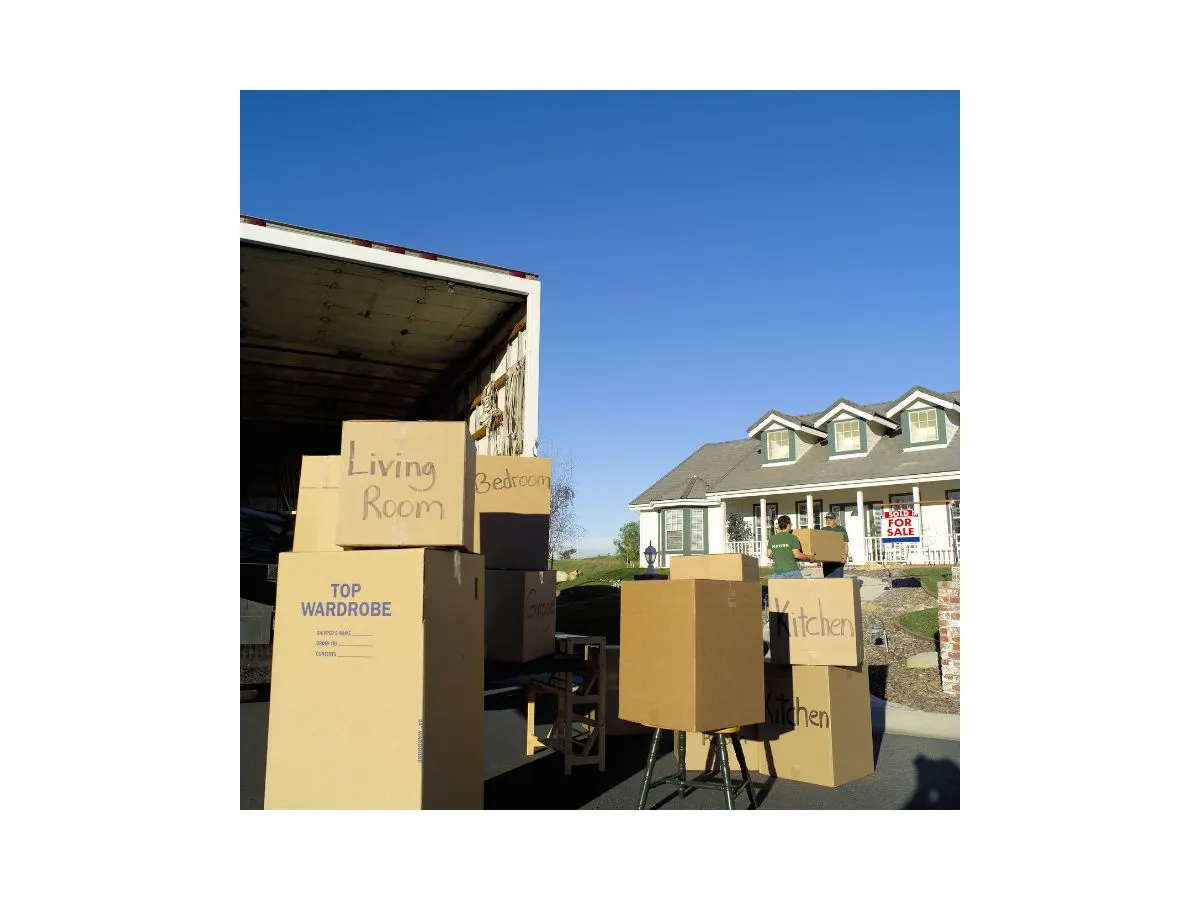
Consider a household moving from Vancouver to Calgary.
The move involves a long highway journey between two provinces. The household must also deal with changes to provincial documents and services after arriving in Alberta.
A DIY move means driving the rental truck yourself and paying for fuel, accommodation, meals, and other travel costs. You also need to manage loading and unloading.
With an experienced long-distance mover, much of this transportation work can be handled for you. This can be especially useful for families with large households, people with limited time, or anyone who does not want to drive a large truck across provinces.
Use a Comparison Platform Before Booking
Choosing the first mover you find may not be the best approach. Instead, compare companies based on their experience, services, pricing, reviews, and availability.
A platform such as Moving Companies Canada can make it easier to explore your options and identify companies suited to your moving needs.
Your Inter-Provincial Moving Checklist
Before moving day, make sure you:
- Confirm your new home and moving dates
- Research your new province's requirements
- Arrange healthcare changes
- Update your driver's licence
- Change vehicle registration and insurance
- Declutter before packing
- Compare inter-provincial movers
- Read customer reviews
- Get a written moving estimate
- Confirm pickup and delivery details
- Keep important documents with you
- Update your address after arrival

Make Your Cross-Country Move Easier
An inter-provincial move involves more than simply transporting boxes between two addresses. From administrative updates and travel costs to packing and delivery, every part of the process requires careful planning. Starting early can help you stay organized and avoid unexpected expenses.
Compare experienced inter-provincial movers and explore your options for Long-Distance Moving in Canada before making your decision. With the right preparation and moving partner, relocating across Canada can be smoother, more affordable, and less stressful.















Sign in to leave a comment.