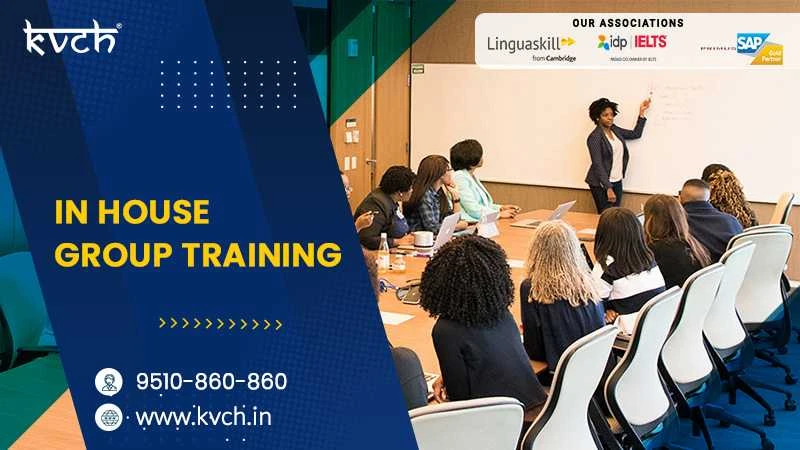

Empowering Workforce Excellence through Group Training and Staff Development
Introduction:
In today's dynamic business environment, organizations in Nigeria face increasing competition and the need to continually adapt to changing market conditions. To remain competitive and achieve sustainable growth, investing in the development and training of employees has become paramount. In-house training, group training, and staff development initiatives have emerged as powerful tools for enhancing organizational success in Nigeria. These training programs and their potential to empower the Nigerian workforce, fostering excellence and driving organizational growth.
I. The Value of In-House Training
In-house training refers to the process of developing and delivering training programs within an organization's premises. This approach offers several advantages for Nigerian companies, including:
Tailored Learning Solutions: In-house training allows organizations to design customized programs that align with their specific needs, goals, and industry requirements. By tailoring the training content, delivery methods, and timelines, companies can address skill gaps effectively and equip their employees with the knowledge and competencies needed to excel in their roles.Cost Efficiency: In-house training eliminates the need to hire external trainers or send employees to external workshops or seminars, resulting in significant cost savings for organizations. This approach also minimizes disruptions to daily operations since employees can participate in training without being away from the workplace for extended periods.Team Building and Collaboration: In-house training programs provide an excellent opportunity for employees to come together, interact, and learn as a team. This promotes collaboration, knowledge sharing, and the development of a cohesive organizational culture, which can positively impact employee engagement and productivity.II. The Power of Group Training
Group training involves conducting training sessions for a cohort of employees, enabling them to learn collectively and benefit from shared experiences. In Nigeria, group training holds immense potential for organizations by fostering:
Peer Learning and Support: Group training encourages employees to learn from one another by sharing their knowledge, perspectives, and best practices. This collaborative environment fosters a culture of continuous learning and enables individuals to build upon each other's strengths.Networking Opportunities: By bringing employees from different departments or locations together, group training creates networking opportunities that extend beyond the training session. These connections can lead to cross-functional collaborations, innovation, and the exchange of ideas, ultimately enhancing organizational effectiveness.Increased Motivation and Accountability: Group training programs often involve interactive exercises, discussions, and group projects. This collaborative approach enhances employee motivation, accountability, and a sense of belonging, as individuals work together towards common goals.III. Unleashing Staff Potential through Development Programs
Staff development programs play a crucial role in empowering employees to reach their full potential. In Nigeria, organizations can unlock staff capabilities by implementing the following initiatives:
Skills Enhancement: By providing opportunities for staff to acquire new skills and knowledge, organizations can enhance their workforce's capabilities and adaptability. Staff development programs can focus on technical skills, leadership development, managerial competencies, or soft skills such as communication and problem-solving.Career Progression: Organizations that invest in staff development demonstrate a commitment to their employees' growth and career progression. Offering training and development opportunities can boost employee morale, increase job satisfaction, and reduce turnover rates in Nigeria's competitive job market.Talent Retention: By investing in staff development, organizations create a culture that values and nurtures talent. This can significantly contribute to staff retention, as employees are more likely to stay with organizations that support their professional growth and provide avenues for advancement.Conclusion:
In-house training, group training, and staff development initiatives have become indispensable components of organizational success in Nigeria. By embracing these training programs, companies can address skill gaps, foster collaboration, and empower their workforce to achieve excellence. The Nigerian business landscape is evolving rapidly, and organizations must proactively invest in the development of their employees to remain competitive and thrive in this dynamic environment. Through effective in-house training, impactful group training, and comprehensive staff development programs, organizations in Nigeria can unlock the full potential of their workforce and pave the way for long-term success.










Sign in to leave a comment.