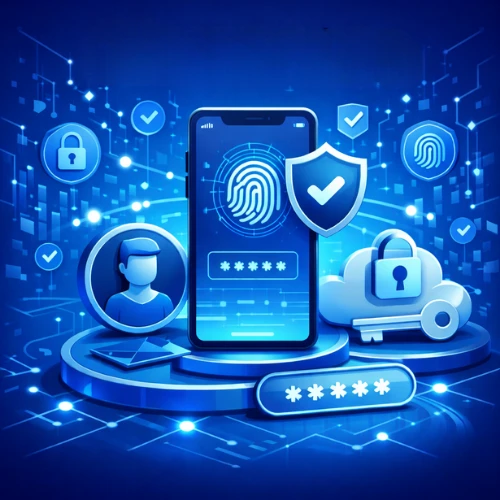
In today’s digital era, cyber threats are growing rapidly, making data protection more important than ever. Businesses and individuals alike are searching for reliable ways to secure sensitive information. This is where multi factor authentication solutions come into play. They provide an advanced layer of security that goes beyond traditional passwords and significantly reduces the risk of unauthorized access.
What Are Multi Factor Authentication Solutions?
Multi factor authentication (MFA) is a security system that requires users to verify their identity using two or more authentication factors. Instead of relying solely on a password, MFA combines multiple elements such as:
- Something you know (password or PIN)
- Something you have (mobile device or OTP)
- Something you are (fingerprint or facial recognition)
By using these multiple layers, multi factor authentication solutions ensure that even if one factor is compromised, unauthorized users cannot gain access.
Why Are Multi Factor Authentication Solutions Important?
Cyberattacks such as phishing, credential stuffing, and brute-force attacks are becoming more sophisticated. Relying only on passwords is no longer enough.
Here’s why MFA is essential:
- Enhanced Security: Adds multiple layers of protection
- Reduced Fraud Risk: Prevents unauthorized access
- Compliance Support: Meets industry regulations and standards
- User Trust: Builds confidence among customers and users
Businesses that implement multi factor authentication solutions significantly lower their chances of data breaches.
Types of Multi Factor Authentication Methods
There are several types of MFA methods that organizations can use depending on their security needs:
1. One-Time Passwords (OTP)
Users receive a unique code via SMS, email, or an authenticator app. This code expires quickly, making it highly secure.
2. Biometric Authentication
This includes fingerprint scanning, facial recognition, or retina scanning. It is one of the most secure forms of authentication.
3. Push Notifications
Users receive a login approval request on their mobile device. They can approve or deny access instantly.
4. Hardware Tokens
Physical devices generate secure authentication codes. These are commonly used in high-security environments.
Benefits of Multi Factor Authentication Solutions
Implementing MFA offers several advantages:
- Stronger Protection Against Cyber Threats
- Improved User Experience with Seamless Login Options
- Scalability for Businesses of All Sizes
- Protection for Remote and Hybrid Work Environments
With multi factor authentication solutions, organizations can safeguard critical systems without compromising convenience.
How to Choose the Right Multi Factor Authentication Solution
Selecting the right MFA solution depends on your business needs. Here are some key factors to consider:
- Ease of Use: User-friendly interface for employees and customers
- Integration: Compatibility with existing systems and applications
- Scalability: Ability to grow with your business
- Security Standards: Compliance with global security protocols
Choosing the right provider ensures that your multi factor authentication solutions deliver maximum protection and efficiency.
Future of Multi Factor Authentication Solutions
The future of MFA is evolving with advanced technologies such as AI and behavioral analytics. Passwordless authentication and adaptive MFA are becoming increasingly popular, offering even more secure and seamless user experiences.
As cyber threats continue to evolve, multi factor authentication solutions will remain a crucial component of digital security strategies worldwide.
Conclusion
In a world where data breaches are common, relying on passwords alone is no longer safe. Multi factor authentication solutions provide a powerful and effective way to secure systems, protect sensitive data, and build trust. Whether you’re a small business or a large enterprise, implementing MFA is no longer optional—it’s essential.






















Sign in to leave a comment.