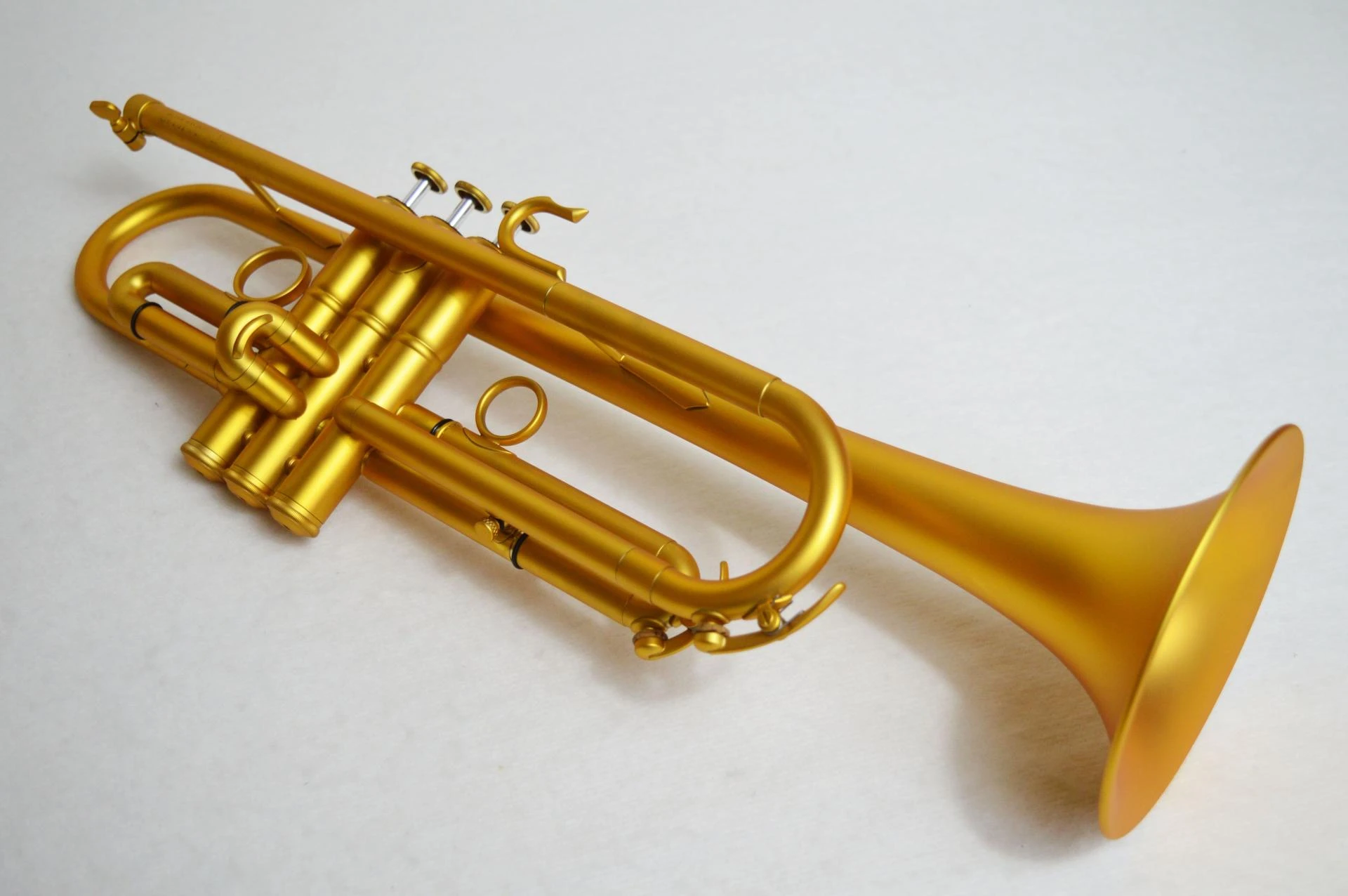
🎵 Music Instruments: Bringing Creativity and Harmony to Life
Music has the power to inspire, connect, and express emotions in ways words alone cannot. At the heart of every musical composition are music instruments, the tools that allow musicians to bring their creativity to life. From traditional classical instruments to modern electronic devices, musical instruments serve as the foundation for learning, performing, and producing music across genres and cultures.
Music instruments come in a wide variety of types, each offering unique sounds and playing techniques. The main categories include:
- String Instruments: Such as guitars, violins, cellos, and harps. These instruments produce sound through vibrating strings and can be played with a bow or by plucking.
- Wind Instruments: Including flutes, clarinets, trumpets, and saxophones, which produce sound when air passes through or across them.
- Percussion Instruments: Such as drums, tambourines, and xylophones, which produce sound by striking, shaking, or scraping.
- Keyboard Instruments: Including pianos, organs, and synthesizers, which combine elements of melody and harmony for versatile musical expression.
- Electronic Instruments: Modern synthesizers, digital drums, and MIDI controllers offer innovative ways to create music in digital and studio environments.
🛠 Choosing the Right Instrument
Selecting the right music instrument depends on factors such as skill level, musical genre, personal preference, and budget. Beginners may start with smaller, easier-to-learn instruments like the ukulele, keyboard, or recorder, while advanced musicians might explore professional-grade guitars, violins, or digital synthesizers. The quality of the instrument also plays a key role in performance and learning, as well-made instruments produce better sound and respond more accurately to the player’s technique.
🎶 Benefits of Playing Music Instruments
Playing a musical instrument provides a wide range of benefits:
- Cognitive Development: Enhances memory, concentration, and problem-solving skills.
- Emotional Expression: Helps convey feelings and reduce stress through creative expression.
- Coordination and Dexterity: Improves fine motor skills, hand-eye coordination, and timing.
- Social Connection: Playing in bands, orchestras, or ensembles encourages teamwork and collaboration.
- Cultural Appreciation: Introduces musicians to diverse musical styles and traditions.
🎹 Maintaining and Caring for Instruments
Proper care and maintenance extend the lifespan of music instruments. Regular cleaning, timely tuning, safe storage, and professional servicing ensure consistent performance and protect the investment.
In conclusion, music instruments are more than tools—they are gateways to creativity, learning, and self-expression. Whether for personal enjoyment, education, or professional performance, investing in quality instruments and nurturing musical skills opens a world of harmony, inspiration, and joy. Playing music instruments enriches life, cultivates talent, and connects people across cultures and generations.




























Sign in to leave a comment.