
Education is a fundamental right and a powerful tool for personal and societal development. For Muslim communities around the world, ensuring access to quality education is a priority that aligns with Islamic values and the teachings of the Prophet Muhammad (peace be upon him). This blog delves into the concept of Muslim Trust for Education, exploring its significance, objectives, and impact on society. We will cover various aspects, including the role of Islamic teachings, the importance of community involvement, and the future prospects of educational trusts in the Muslim world.
1. Introduction: The Importance of Education in Islam
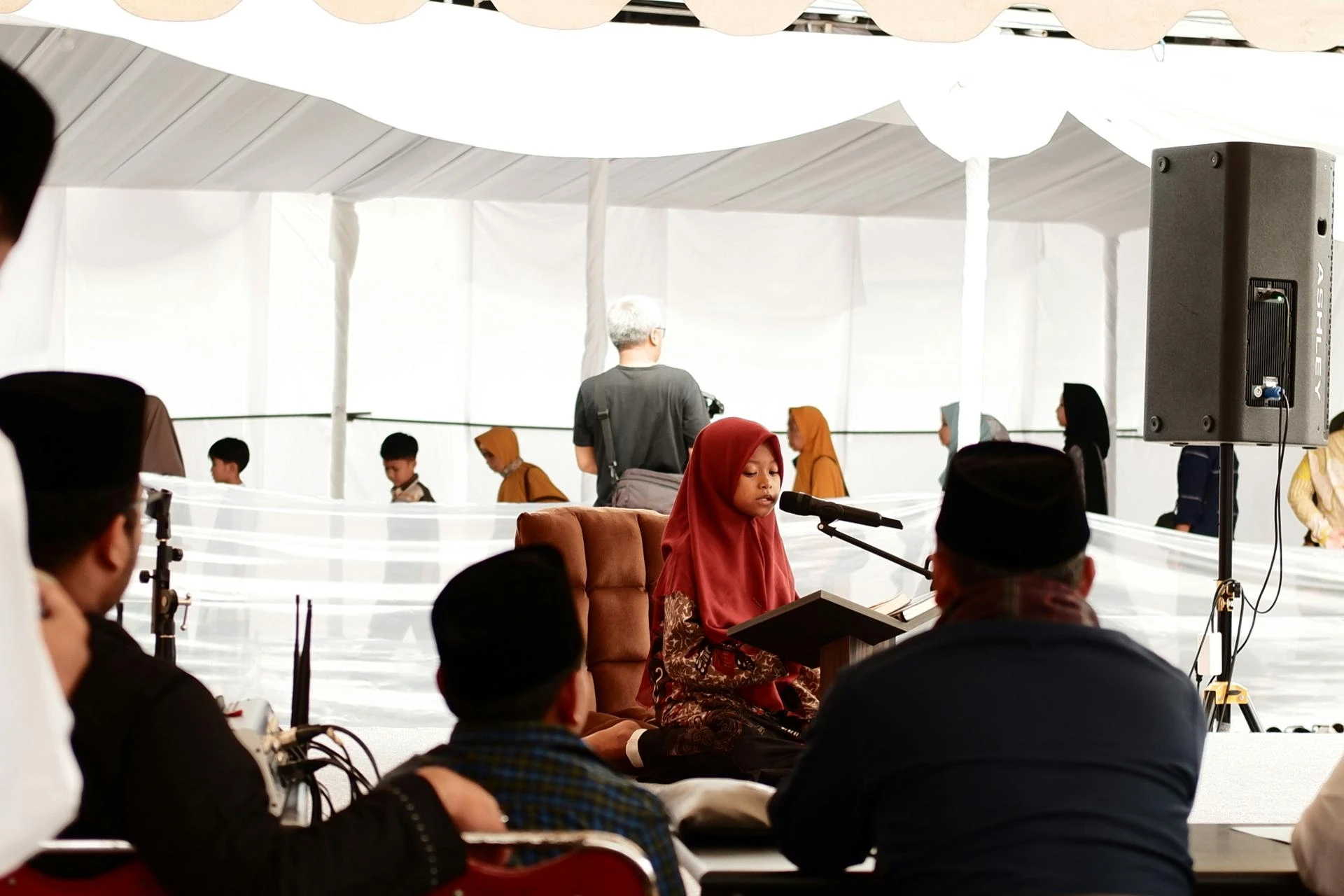
Islam places immense importance on education. The first revelation to Prophet Muhammad (peace be upon him) was "Iqra" (read), highlighting the significance of knowledge. Islamic teachings encourage the pursuit of education for both men and women, as it is seen as a means to better understand Allah's creation and fulfill one's duties. Education is considered a pathway to enlightenment, moral development, and societal contribution.
2. What is a Muslim Trust for Education?
A Muslim Trust for Education is a charitable organization established to support educational initiatives within the Muslim community. These trusts are dedicated to providing resources, scholarships, and infrastructure to enhance educational opportunities. They operate on Islamic principles of charity (sadaqah) and trust (waqf), ensuring that the funds and resources are used effectively for the benefit of the community.
3. Objectives of Muslim Trusts for Education
3.1 Promoting Access to Quality Education
One of the primary objectives of Muslim Trusts for Education is to ensure access to quality education for all, especially those from underprivileged backgrounds. By providing financial assistance, scholarships, and funding for schools, these trusts work towards eliminating barriers to education.
3.2 Supporting Islamic Education
Muslim educational trusts also focus on promoting Islamic education, ensuring that students receive a balanced education that includes religious and secular studies. This helps in preserving Islamic heritage and values while equipping students with the skills needed for modern society.
3.3 Empowering Women through Education
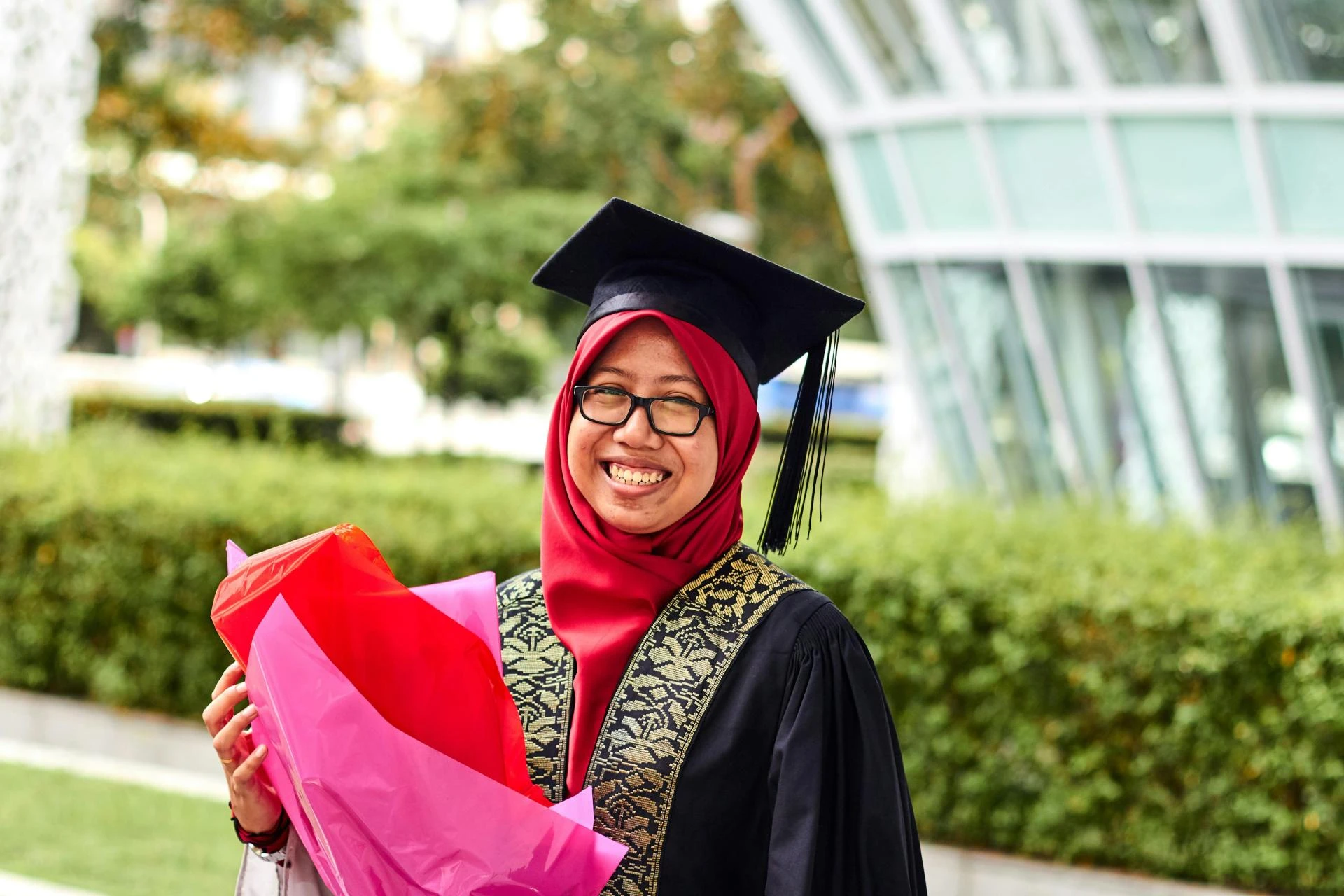
Islam advocates for the education of women, and many Muslim Trusts for Education prioritize this aspect. By providing scholarships and building schools for girls, these trusts aim to empower women and contribute to their social and economic development.
4. Role of Islamic Teachings in Educational Trusts
4.1 The Concept of Waqf
Waqf, an Islamic endowment, plays a crucial role in funding educational initiatives. Historically, waqf has been used to establish schools, universities, and libraries. Muslim Trusts for Education often rely on this concept to create sustainable sources of funding.
4.2 The Importance of Knowledge in Islam
Islamic teachings emphasize the pursuit of knowledge as a form of worship. By supporting education, Muslim trusts align their activities with religious principles, fostering a culture of learning and intellectual growth within the community.
5. Community Involvement and Support
5.1 Engaging Local Communities
For educational trusts to be successful, community involvement is essential. Local communities play a vital role in identifying educational needs, supporting initiatives, and ensuring the sustainability of projects. Engaging parents, teachers, and local leaders helps in creating a supportive environment for students.
5.2 Building Partnerships
Collaborating with other organizations, both within and outside the Muslim community, can enhance the effectiveness of educational trusts. Partnerships with governmental bodies, NGOs, and international organizations can bring additional resources and expertise.
6. Impact of Muslim Trusts for Education
6.1 Improving Literacy Rates
Muslim Trusts for Education have significantly contributed to improving literacy rates in many regions. By establishing schools and providing scholarships, they have enabled thousands of children to receive an education, thereby reducing illiteracy.
6.2 Enhancing Quality of Education
Beyond access, these trusts focus on the quality of education. By funding teacher training programs, modernizing educational infrastructure, and developing curricula that integrate Islamic and secular knowledge, they ensure that students receive a well-rounded education.
6.3 Socio-Economic Development
Education is a key driver of socio-economic development. By empowering individuals through education, Muslim trusts contribute to the economic upliftment of communities. Educated individuals are more likely to secure better employment opportunities and contribute positively to society.
7. Challenges Faced by Muslim Trusts for Education
7.1 Financial Constraints
One of the significant challenges is securing consistent funding. While waqf provides a sustainable source, the growing demand for educational initiatives often surpasses available resources. Trusts need to diversify their funding sources and engage in effective fundraising strategies.
7.2 Political and Social Barriers
In some regions, political instability and social barriers hinder the implementation of educational projects. Trusts must navigate these challenges while advocating for policies that support education for all.
7.3 Ensuring Inclusivity
While focusing on Muslim communities, it is crucial for trusts to ensure inclusivity and not discriminate against non-Muslims. Promoting an inclusive approach can foster social harmony and mutual understanding.
8. Future Prospects and Innovations
8.1 Embracing Technology
Incorporating technology in education can significantly enhance learning outcomes. Muslim Trusts for Education can invest in digital classrooms, e-learning platforms, and online resources to reach a broader audience and improve the quality of education.
8.2 Expanding Global Reach
Expanding the reach of educational initiatives beyond local communities to a global scale can amplify the impact. By establishing international partnerships and leveraging global networks, Muslim trusts can share best practices and resources.
8.3 Sustainable Development Goals
Aligning with the United Nations Sustainable Development Goals (SDGs) can provide a framework for future initiatives. Goals related to education, gender equality, and economic growth resonate with the objectives of Muslim Trusts for Education, enabling them to contribute to global development efforts.
Conclusion: A Pathway to a Brighter Future
Muslim Trusts for Education play a vital role in shaping the future of communities by promoting access to quality education. Rooted in Islamic principles, these trusts work towards empowering individuals, preserving cultural heritage, and fostering socio-economic development. Despite challenges, the dedication and commitment of these trusts continue to make a significant impact. By embracing innovation, building partnerships, and ensuring inclusivity, Muslim Trusts for Education can pave the way for a brighter and more prosperous future for all.





















Sign in to leave a comment.