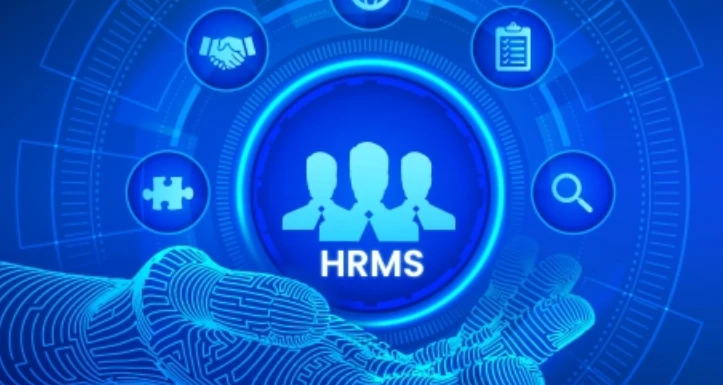

Must-Have HRMS Software in an Organization
In today's fast-paced and technology-driven business environment, organizations must leverage efficient tools to manage their workforce effectively. Whether it's a startup or a large enterprise, an HRMS streamlines HR functions, improves employee experience, and boosts overall organizational productivity.
What is HRMS Software?
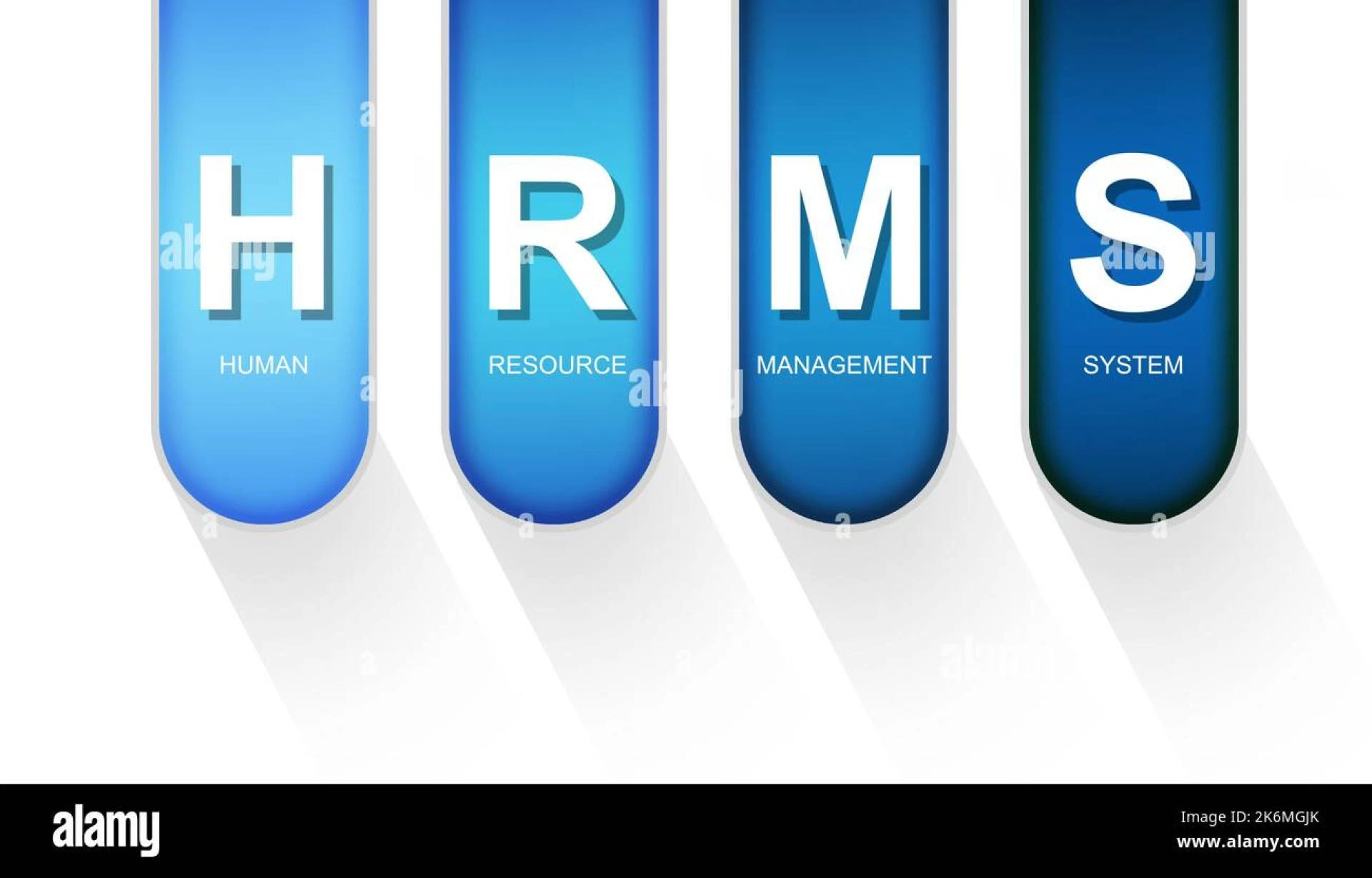
HRMS (Human Resource Management System) is a digital solution that combines various HR functions—such as payroll, recruitment, attendance, performance management, and employee data management—into one centralized platform. It reduces manual effort, minimizes errors, and enables HR departments to focus on strategic tasks.
Why Every Organization Must Have HRMS Software
1. Centralized Employee Data Management
A key function of HRMS software is the maintenance of a centralized database for all employee information. From personal details to employment history and benefits, all data is securely stored and easily accessible. This improves data accuracy and eliminates redundancy.
2. Streamlined Recruitment and Onboarding
Modern HRMS platforms often come with applicant tracking systems (ATS) that automate job postings, resume screening, and interview scheduling. After hiring, they help onboard new employees seamlessly with digital documentation and structured orientation processes.
3. Efficient Payroll and Compensation Management
Calculating salaries, deductions, and taxes manually can be error-prone.
4. Attendance and Leave Management
HRMS systems offer real-time tracking of attendance, shift schedules, and leave balances. This minimizes administrative effort while enhancing transparency for both the HR team and employees.
5. Performance Management
An HRMS helps track employee performance through goal setting, appraisals, 360-degree feedback, and continuous evaluations. This facilitates informed decision-making for promotions, training, and career development.
6. Regulatory Compliance
HRMS software often comes with features that ensure compliance with local labor laws, tax regulations, and data protection guidelines. It generates reports and audit trails to assist in legal and financial reviews.
7. Employee Self-Service Portals
With self-service portals, employees can access payslips, apply for leaves, update personal information, and raise queries without relying on HR personnel, enhancing overall satisfaction and engagement.
Features to Look for in a Must-Have HRMS
Cloud-based Accessibility
Mobile App Support
Data Security and Privacy
Integration with Third-party Tools
Customizable Workflows
User-friendly Interface
Scalability for Business Growth
Conclusion
In an era where talent is the biggest asset, managing human resources efficiently is critical for business success. Investing in a robust HRMS software is no longer optional—it is a strategic necessity. From automating daily tasks to enhancing employee engagement, a good HRMS transforms HR into a powerhouse of efficiency and innovation. Every organization aiming for sustainable growth must consider implementing a feature-rich HRMS solution.
























Sign in to leave a comment.